If you are trying to picture Silver Lake before you move, visit, or buy a home there, the biggest surprise is how many different daily rhythms fit into one neighborhood. You can start your morning on a quiet hillside street, grab coffee on a busy boulevard, take a walk near the reservoir, and end the day at a small patio restaurant or performance venue without going far at all. That mix is a big part of what makes Silver Lake feel so distinct in Los Angeles. Let’s dive in.
Silver Lake feels residential and active
Silver Lake sits northeast of Downtown Los Angeles and is closely tied to its namesake reservoir. According to the city community plan, the area combines urban amenities with a more rustic sense of calm, which helps explain why the neighborhood can feel lively and relaxed at the same time.
That balance shows up in how the neighborhood is laid out. The plan describes Silver Lake as a mix of single-family and multifamily housing, with activity concentrated along mixed-use boulevards and neighborhood centers while quieter residential streets remain more tucked away. In everyday terms, that means you can live on a calmer block and still get to coffee, dinner, or errands quickly.
Mornings start with coffee and motion
One of the clearest markers of daily life in Silver Lake is its coffee culture. Rather than one central main street, morning activity spreads across several small hubs, especially along Sunset Boulevard, Silver Lake Boulevard, and near the Hoover and Virgil edge.
Current options reflect that pattern. Intelligentsia’s Silver Lake Coffeebar is on West Sunset Boulevard and opens at 6 a.m., while La Colombe is nearby on Sunset. LAMILL’s Coffee Bar & Kitchen on Silver Lake Boulevard and Cafecito Orgánico on North Hoover both open daily at 7 a.m.
That variety gives the neighborhood a steady, local feel in the morning. Discover Los Angeles also highlights Broome Street General Store on Rowena for coffee and shaded outdoor seating, and Café Tropical at Sunset and Parkman as a longtime neighborhood staple known for coffee and pastries.
Why the coffee scene matters
Coffee in Silver Lake is not just about where you get your morning drink. It helps shape how the neighborhood moves. Instead of one downtown-style core, Silver Lake has several active pockets, which can make daily errands feel more woven into the neighborhood rather than centered in a single business district.
For many people, that means your routine can stay local. You might stop for coffee, pick up a few things nearby, and head back home without needing a long cross-city trip.
The reservoir shapes outdoor life
If you ask what daily life feels like in Silver Lake, the reservoir is a big part of the answer. The Silver Lake Reservoir complex is still an operational water facility, but LADWP also describes it as a community amenity with public access to portions of the site.
The pedestrian path around the reservoir is central to how many people use the neighborhood. The Silver Lake Reservoirs Conservancy says the path was designed to help keep walkers and runners off the street, connecting the west, north, and east sides of the complex.
The reservoir area has grown into more than a single walking route. The Conservancy notes that the pedestrian path opened in phases, the Silver Lake Meadow opened in 2011, and the Tesla Walking Path opened in 2013. Together, those spaces support a routine that feels active without feeling rushed.
What a typical outdoor routine looks like
For some residents, the reservoir is a daily walk. For others, it is where a run, stroller loop, or casual catch-up with a friend fits into the day. Because the path is built into the neighborhood’s daily movement, it feels less like a special outing and more like part of normal life.
That everyday access matters. In a city where outdoor time can sometimes require planning, Silver Lake offers a built-in place to move, reset, and take in the neighborhood.
Stair streets add character and shortcuts
Another part of Silver Lake’s daily rhythm is its stair streets. These public stairways are a defining feature of hillside development in Los Angeles, and the Silver Lake Neighborhood Council says the neighborhood has more than fifty of them.
Some are recognized local landmarks. The council notes officially designated stairways including the Music Box Steps, Mattachine Steps, and Esther’s Steps, and Discover Los Angeles identifies the Mattachine Steps as an officially named stairway just off Silver Lake Boulevard.
Why the stairs change the feel of the neighborhood
In practical terms, these stairs do more than connect steep streets. They serve as shortcuts, workout routes, and neighborhood markers all at once. They can make the area feel more connected on foot than a quick map view might suggest.
They also reinforce the neighborhood’s hillside identity. Silver Lake is not flat, and daily life here often includes elevation, views, and a little more texture in how you move from one place to another.
The housing pattern creates distinct micro-areas
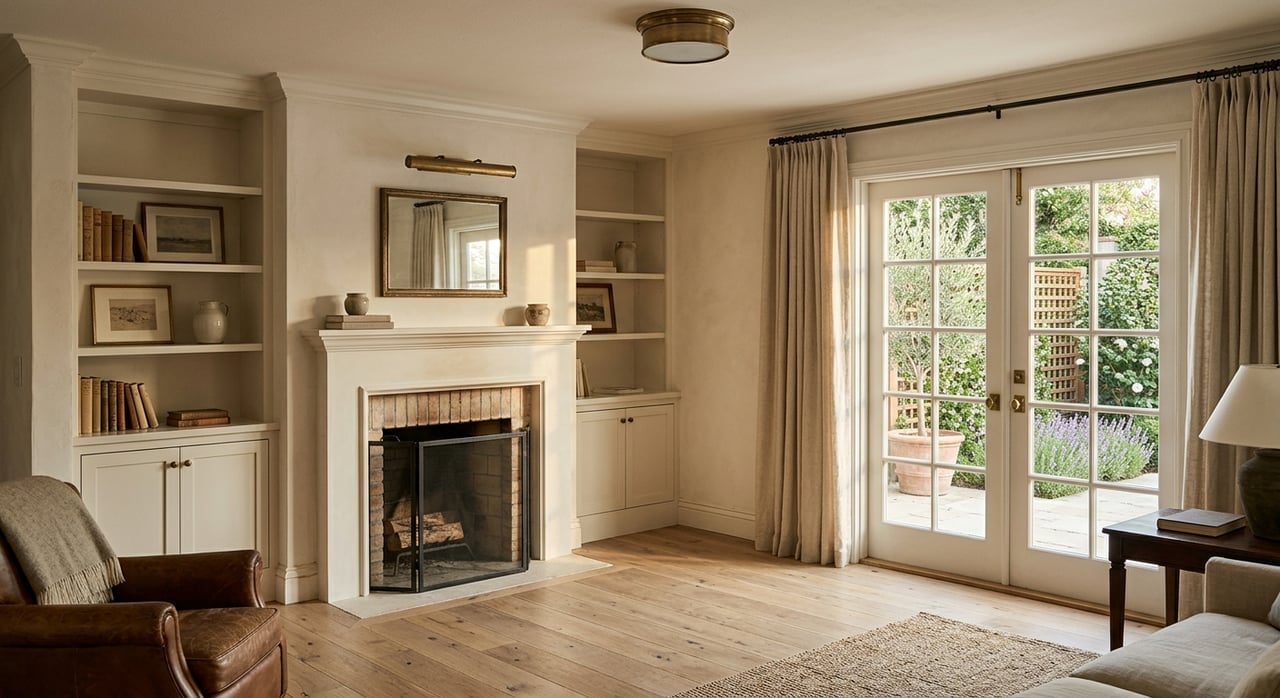
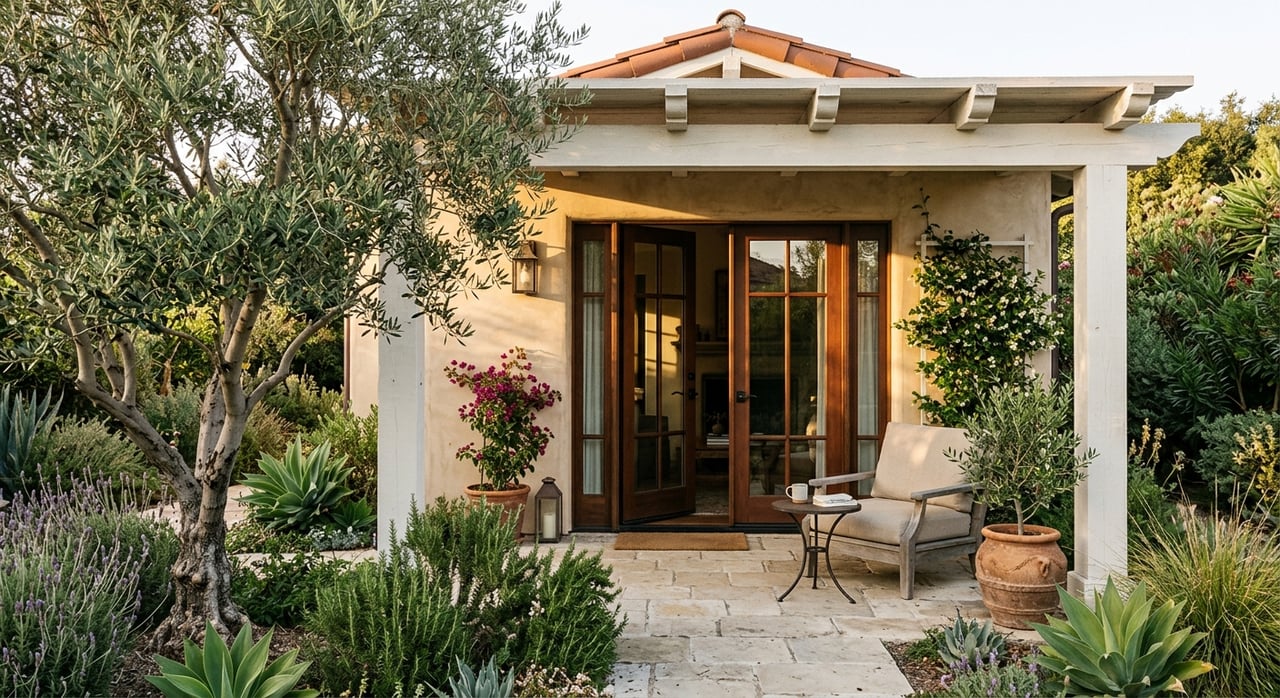
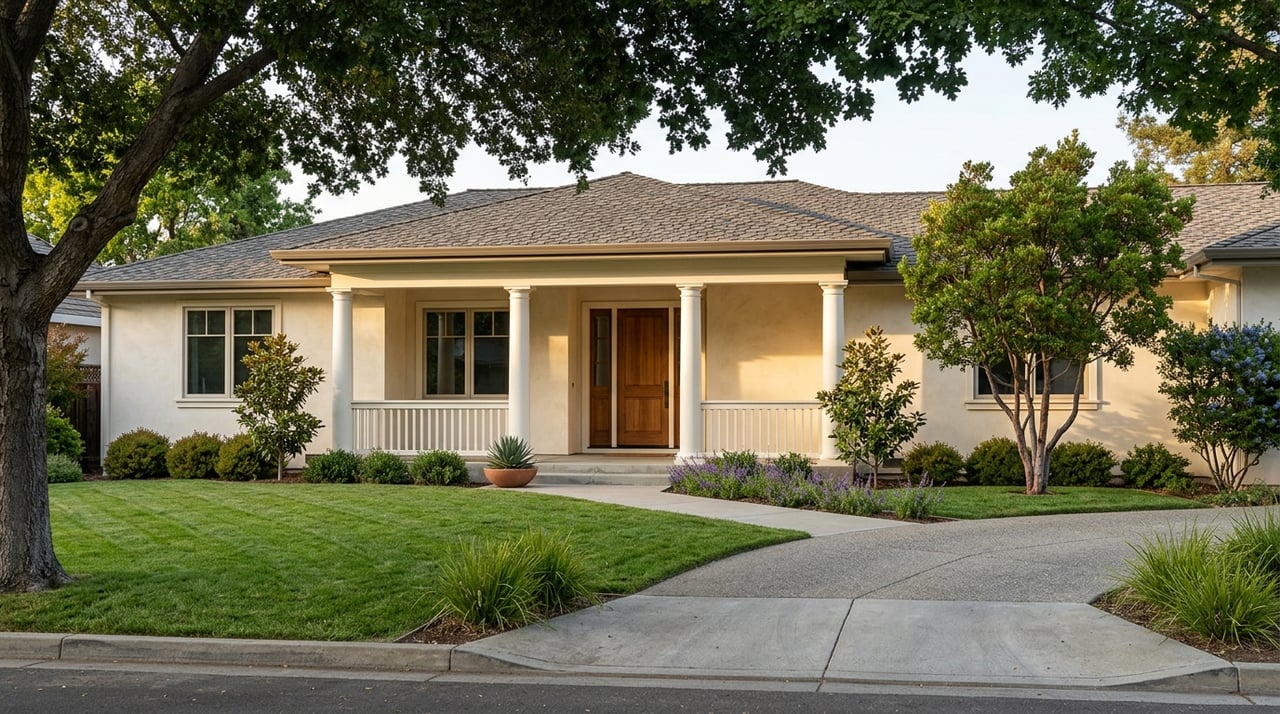
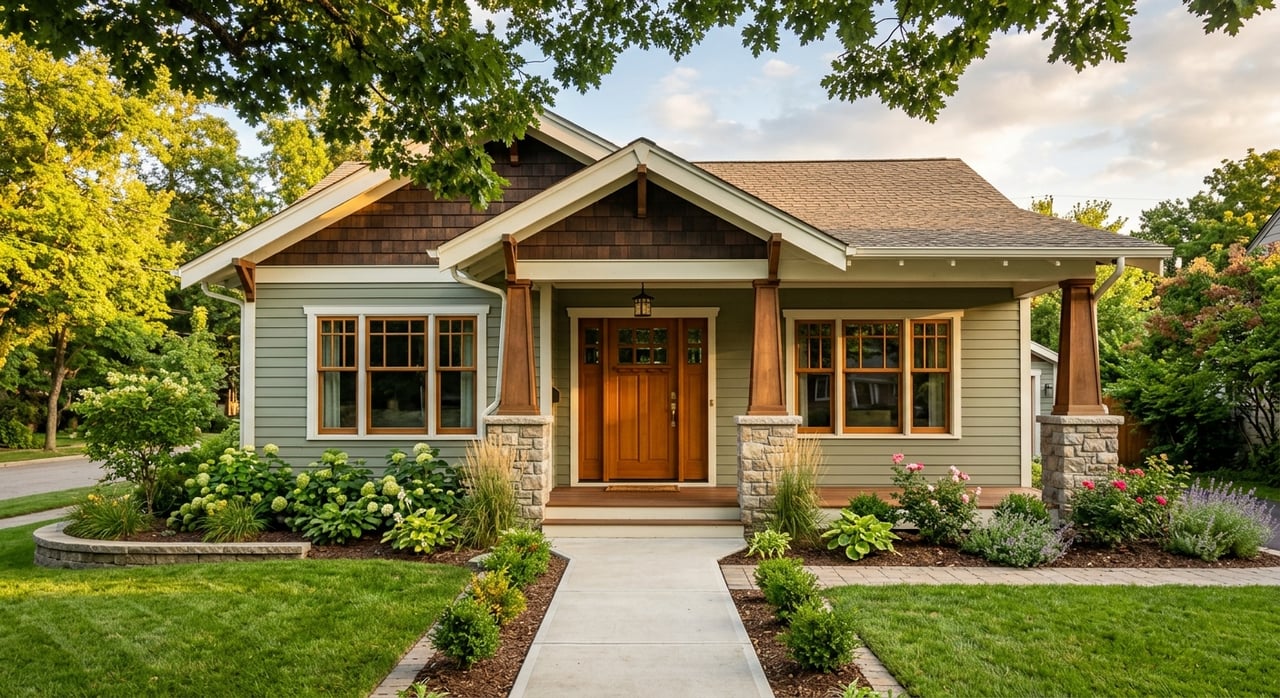
Silver Lake does not feel exactly the same from block to block. The community plan points to a long-standing mix of housing types, and the neighborhood includes single-family homes, multifamily buildings, bungalow courts, and architecturally notable residences.
The area is also known for important Modern homes by Richard Neutra, Rudolph Schindler, and Gregory Ain, especially around the reservoir. Alongside those, the neighborhood also includes older Mediterranean homes and bungalow-court traditions. The Silver Lake Neighborhood Council estimates that about 45 bungalow courts remain in the area.
Corridor streets versus hillside streets
A helpful way to think about Silver Lake is to separate the corridor streets from the hillside streets. Around Sunset Junction, Sunset Boulevard, Silver Lake Boulevard, and Rowena, the neighborhood often feels like an everyday front porch, with coffee, dining, and errands close at hand.
Near the reservoir edge and on hillside blocks, the feeling often shifts. Those areas can be quieter, more scenic, and more dependent on stairs and sloped streets. That contrast is one reason Silver Lake appeals to people who want both neighborhood energy and a more tucked-away residential setting.
Evenings feel local, not sprawling
Silver Lake evenings tend to center on repeat local spots rather than one large nightlife district. That gives nights in the neighborhood a more compact, familiar feel.
Current examples include L&E Oyster Bar on Silver Lake Boulevard, which offers indoor and outdoor dining with evening hours, and Bar Besito on Silver Lake Boulevard, which serves lunch, brunch, happy hour, and dinner. Ivanhoe Restaurant & Bar at Fletcher and Riverside adds patio dining and live music every Wednesday.
The Lyric Hyperion on Hyperion is another strong part of the neighborhood’s evening identity. It currently offers comedy, music, drag, drinks, a daily cafe, and nightly stage programming, which adds a casual but creative layer to local nights out.
Social life tends to be neighborhood-based
Discover Los Angeles also points to long-running anchors around the Sunset corridor, including Akbar, Jay’s Bar, and Café Tropical. Taken together, these places suggest a social scene built on familiar neighborhood destinations instead of a purely destination-driven nightlife model.
For you, that can mean a more repeatable lifestyle. You are less likely to think of an evening out as a major production and more likely to think of it as a short walk, a quick drive, or an easy stop at a place that feels part of your weekly rhythm.
What daily life in Silver Lake really feels like
At its core, Silver Lake feels layered. You get active boulevards, quieter hillside streets, reservoir paths, stair routes, local coffee hubs, and intimate evening venues all in one neighborhood.
That mix can make the area feel both creative and grounded. You are not choosing between a fully residential environment and a fully urban one. In many parts of Silver Lake, you get a little of both.
For buyers who care about lifestyle as much as square footage, that matters. The neighborhood’s physical layout, housing mix, and local gathering places shape how your day unfolds, and in Silver Lake, that day often feels close-knit, walkable in pockets, and distinctly local.
If you are exploring character-rich neighborhoods across Los Angeles and the Foothills, working with a team that understands how daily life connects to housing choice can make the search much clearer. The Haynes Group brings a thoughtful, design-aware approach to helping clients evaluate homes, neighborhoods, and long-term fit.
FAQs
What is the overall lifestyle feel in Silver Lake, Los Angeles?
- Silver Lake generally feels like a mix of quiet residential hillside living and active neighborhood corridors, with daily life shaped by local coffee spots, reservoir walks, stair streets, and small-scale evening destinations.
What are mornings like in Silver Lake?
- Mornings in Silver Lake often center around coffee shops along Sunset Boulevard, Silver Lake Boulevard, Rowena, and the Hoover area, with several cafes opening early and helping create a steady neighborhood rhythm.
What outdoor spaces shape daily life in Silver Lake?
- The Silver Lake Reservoir pedestrian paths, the Silver Lake Meadow, and the Tesla Walking Path are important parts of the neighborhood’s everyday outdoor routine, offering places to walk, run, and spend time outside.
How walkable is Silver Lake for everyday routines?
- Silver Lake is walkable in pockets, especially around its active commercial corridors, while hillside areas often rely more on stair streets, sloped roads, and short trips between quieter residential blocks and busier nodes.
What are evenings like in Silver Lake, California?
- Evenings in Silver Lake usually feel local and compact, with dining patios, bars, and intimate performance venues such as neighborhood restaurants and spots like the Lyric Hyperion shaping the social scene.
What types of homes are found in Silver Lake?
- Silver Lake includes a mix of single-family homes, multifamily housing, bungalow courts, and architecturally notable residences, including Modern homes associated with Richard Neutra, Rudolph Schindler, and Gregory Ain.