Wondering how to move up in Eagle Rock without making an expensive misstep? If you already own a home here, you may be sitting on meaningful equity, but turning that equity into your next purchase takes careful planning. In this guide, you’ll get a clear look at Eagle Rock’s current market, the key timing decisions between selling and buying, and the California tax rules that can shape your budget. Let’s dive in.
Eagle Rock Market Snapshot
Eagle Rock remains a relatively tight market, which matters if you are trying to sell one home and buy another in the same season. Recent resale data put the median sale price at about $1,399,529 for the three months ending May 2026, with homes averaging 33 days on market and 55 sales in May. Listing data also points to a mid-$1.4 million market, with a median listing price of $1.45 million, 73 active listings, and a median 34 days on market.
Those numbers are not identical because one source tracks sales and the other tracks listings. Still, taken together, they suggest limited inventory and steady turnover. For a move-up buyer, that usually means you need a plan before your current home hits the market.
What Moving Up Often Means Here
In Eagle Rock, moving up does not always mean chasing the biggest house. The area’s hilly terrain can make lot usability, elevation, and view potential just as important as square footage. Depending on your goals, the right next purchase may offer a larger lot, a better-sited hillside property, or a home with more architectural character.
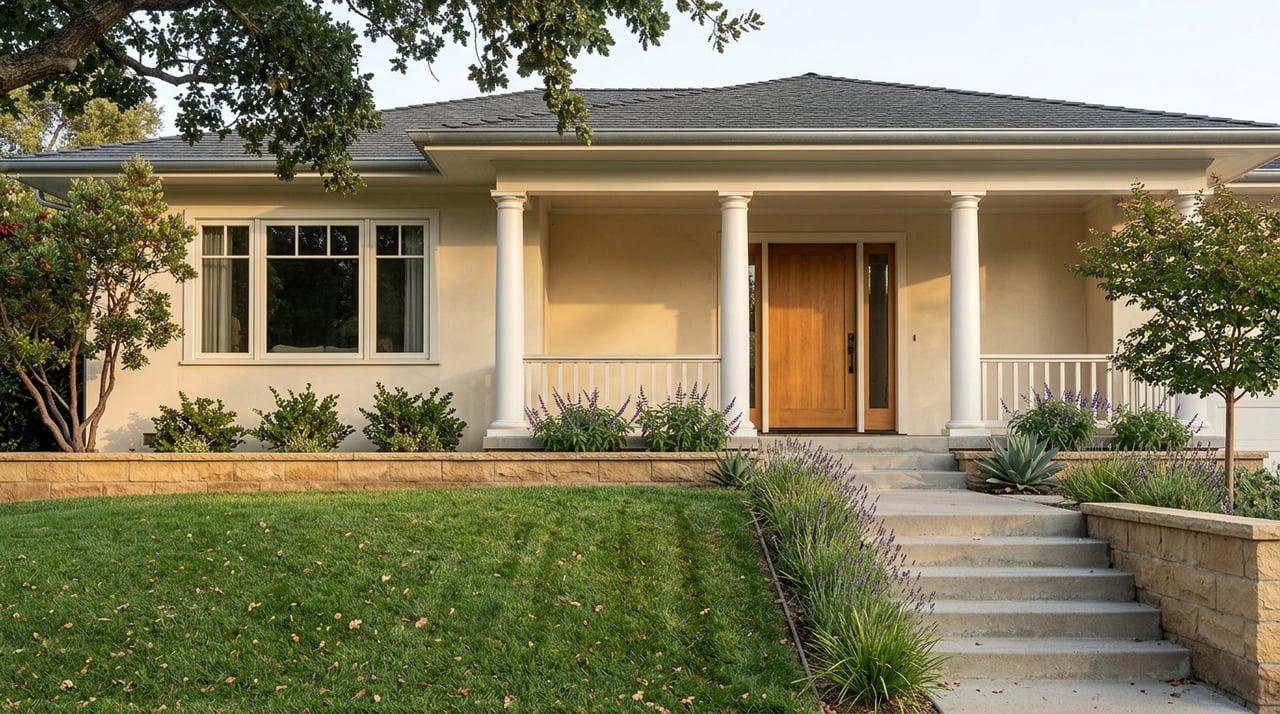
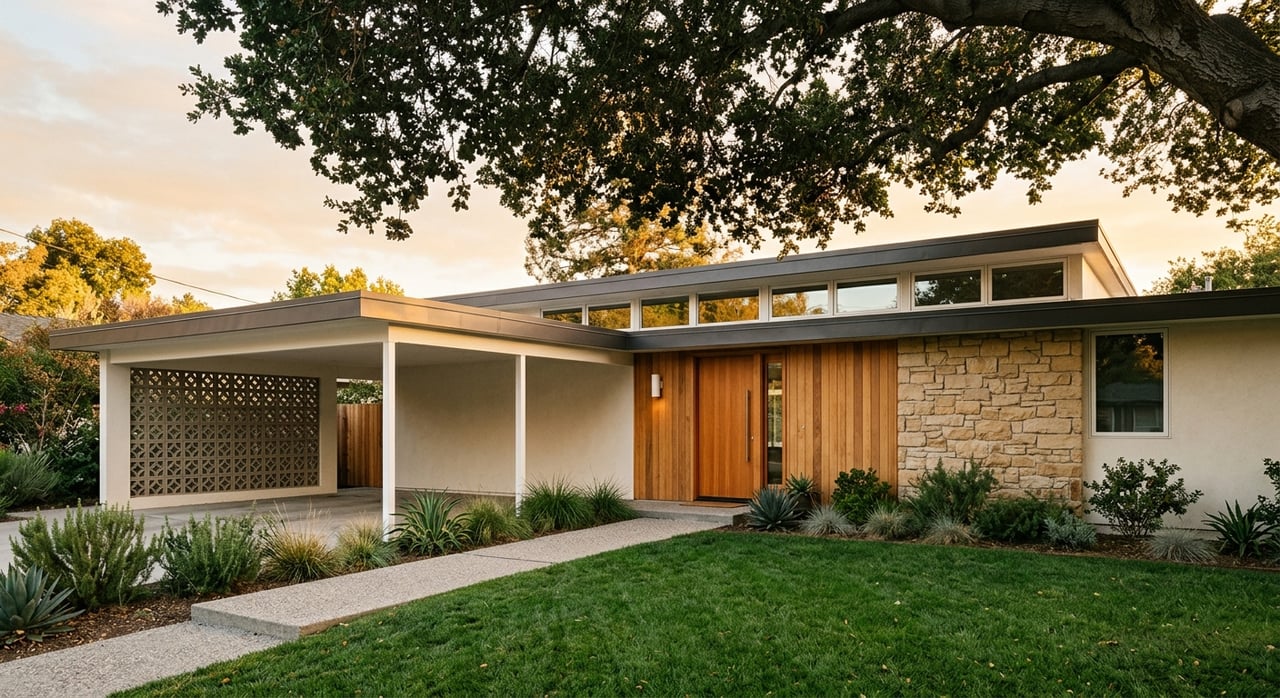
That character is part of what makes Eagle Rock distinct. City planning documents describe a wide range of historic housing styles in the area, including Craftsman and revival-era homes, along with other early- to mid-20th-century architectural influences. If you are moving up, you may be weighing not just size, but also layout, setting, and long-term fit.
Start With Your Equity Position
Before you look seriously at the next house, you need to understand how much buying power your current home creates. Home equity is the value of your home minus what you still owe on your mortgage. That number is the starting point for your next down payment, closing costs, moving expenses, and any overlap if both homes are in play at once.
This is where many homeowners benefit from slowing down and running the math carefully. Usable equity is not the same as total equity on paper. Once you account for mortgage payoff, selling costs, and purchase expenses, the amount available for your next move may be smaller than expected.
Some owners consider a HELOC or home equity loan to bridge the gap. That can unlock funds, but it also adds debt and repayment risk, so the decision needs to fit your broader budget and timeline.
Sell First or Buy First?
For most Eagle Rock homeowners, this is the biggest planning question. A sell-first strategy can reduce financial pressure because you know exactly how much equity you have available before committing to the next purchase. It may also help you avoid carrying two housing payments at once.
The tradeoff is that you may need temporary housing or a very well-timed closing. In a market with limited inventory, that can feel uncomfortable. If the right replacement home does not appear quickly, you could end up between homes longer than expected.
A buy-first strategy can offer more control over your move. You secure the next property before letting go of the current one, which can reduce disruption to your daily life. But it usually requires stronger liquidity, financing flexibility, or access to equity without first closing your sale.
If you buy first, be realistic about overlap costs. You may be covering two mortgage payments, property taxes, insurance, and maintenance expenses for a period of time. In a mid-$1.4 million market, even a short overlap can be significant.
Taxes and Closing Costs to Expect
When you buy again in Los Angeles, property taxes and transfer taxes deserve a place in your planning from day one. In California, a change in ownership generally triggers reassessment to fair market value. That means your new property tax basis will usually reflect the price you pay for the replacement home, unless you qualify for a specific rule such as Proposition 19 portability.
Los Angeles County also notes that supplemental assessments and supplemental tax bills can follow a qualifying ownership change or new construction. If the change happens between January 1 and May 31, two supplemental assessments and two supplemental bills can be triggered. That timing detail can affect your cash flow more than many buyers expect.
On the transfer tax side, Los Angeles County collects a documentary transfer tax of $0.55 per $500 of value. The City of Los Angeles also applies a base transfer tax of 0.45%. The city’s ULA tax applies only at much higher values, with thresholds for transactions closing after June 30, 2026 set at $5.4 million and $10.9 million.
For many Eagle Rock move-up buyers, the practical takeaway is simple: your next-home budget should include more than down payment and monthly mortgage. It should also account for reassessment, supplemental bills, and transaction costs that arrive shortly after closing.
Proposition 19 and Portability
If you are 55 or older, disabled, or a qualifying wildfire or natural-disaster victim, Proposition 19 may play an important role in your move-up strategy. California allows eligible homeowners to transfer their base-year value to a replacement primary residence anywhere in the state if the replacement is purchased or newly constructed within two years of the sale.
This benefit can be used up to three times for qualifying homeowners. If the replacement home costs more than the original, the excess value is added to the transferred base-year value. That can still create meaningful tax savings compared with a full reassessment at the new purchase price.
Timing matters here. If you buy the replacement property before your original home sells, you are responsible for taxes on the replacement home’s full fair market value until the original sale closes. For some households, that temporary tax exposure is manageable. For others, it can change the ideal sequence of the move.
If you do not qualify for Proposition 19 portability, the default rule applies. Once a change in ownership is determined, the county assessor generally reassesses the property to current fair market value as of the date ownership changed.
Mortgage Rates Still Shape Affordability
Even for equity-rich homeowners, rates matter. Freddie Mac reported a national average of 6.47% for a 30-year fixed mortgage as of June 18, 2026. If you are moving from a much lower existing rate, the payment jump on your next purchase may feel larger than the price difference alone suggests.
That is why it helps to separate home price from monthly cost. A move-up purchase can make sense from a lifestyle and long-term ownership perspective, but only if the new payment fits comfortably within your broader financial picture.
If you go under contract, ask careful questions about a rate lock. A rate lock generally holds your rate between offer and closing as long as the loan closes within the lock period and your application does not materially change.
Compare Nearby Options on the Price Ladder
If your search expands beyond Eagle Rock, the surrounding markets can offer useful reference points. Recent data suggests Eagle Rock sits above Pasadena and Glendale, below La Crescenta-Montrose, and well below La Cañada Flintridge in the local price ladder.
Over the same broad period, Pasadena posted a median sale price of $1.216 million and Glendale came in at $1.277 million. La Crescenta-Montrose was higher at $1.580 million, while La Cañada Flintridge reached $2.548 million. Those comparisons are helpful if you are deciding whether to stay in Eagle Rock for character and setting or shift your search for a different mix of home size, lot, or location.
Competition can also vary. For example, La Cañada Flintridge was reported at about 8 offers on average and 25 days on market, suggesting a faster and more competitive environment. If you are considering a move into a higher price bracket, that can affect how aggressive your offer strategy may need to be.
A Practical Move-Up Plan
The smoothest moves usually start with a sequence, not just a search. Before touring homes, make sure you know your current home’s likely sale range, your mortgage payoff amount, and how much cash you want reserved after closing. That gives you a realistic target instead of a hopeful one.
From there, focus on these steps:
- Estimate your current usable equity.
- Build a next-home budget that includes closing costs and tax changes.
- Decide whether selling first or buying first better fits your cash flow.
- Review whether Proposition 19 may apply to your situation.
- Compare Eagle Rock with nearby markets if you want more options.
- Prepare for a fast decision once the right home appears.
In a market like Eagle Rock, thoughtful preparation tends to create better choices. You are not just buying more house. You are making a decision about timing, taxes, financing, and the kind of home that best fits your next chapter.
If you are thinking about moving up in Eagle Rock or nearby foothill communities, Haynes Group can help you map out your sale, evaluate your buying options, and build a plan that fits both the numbers and the home you want next.
FAQs
What is the current home price range in Eagle Rock?
- Recent sale and listing data point to a mid-$1.4 million market, with median figures around $1.4 million to $1.45 million.
Should an Eagle Rock homeowner sell first or buy first?
- It depends on your equity, cash reserves, and comfort with overlap costs. Selling first can reduce risk, while buying first can offer more control if you have the financial flexibility.
Does buying another home in Los Angeles trigger tax reassessment?
- In most cases, yes. A change in ownership generally triggers reassessment to fair market value, which can increase your property tax basis on the replacement home.
How does Proposition 19 help California move-up buyers?
- Qualifying homeowners may transfer their base-year value to a replacement primary residence anywhere in California if they meet the eligibility and timing rules.
Are Eagle Rock homes mostly newer or older styles?
- City planning documents describe Eagle Rock as having a broad mix of older homes and notable early- to mid-20th-century architectural styles, including Craftsman and revival-era homes.
How does Eagle Rock compare with nearby markets?
- Recent data suggests Eagle Rock is priced above Pasadena and Glendale, below La Crescenta-Montrose, and well below La Cañada Flintridge.