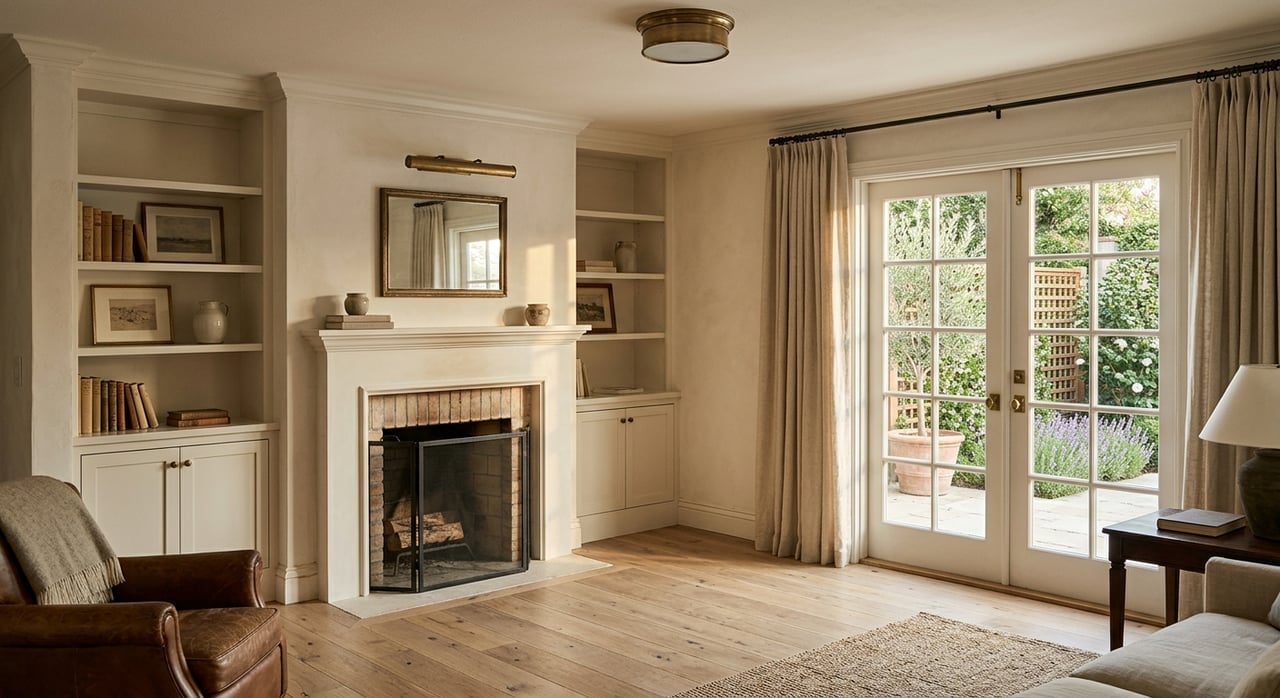
Wondering how much you should update a San Marino home before you cross the line from polished to overdone? In a market where buyers notice craftsmanship, proportion, and original detail, the wrong renovation can chip away at the very appeal that makes a property special. If you want to improve value without stripping away charm, a careful plan matters. Let’s dive in.
Why character matters in San Marino
San Marino is not a market where generic upgrades always win. The city combines a high median household income of $214,167 with a reported median sale price of $3.1 million for the three months ending May 2026. In a market like that, buyers often respond to finish quality and condition, but they also pay close attention to architectural integrity.
San Marino’s residential neighborhoods are shaped by early 20th-century Period Revival styles. Mediterranean Revival, Spanish Colonial Revival, Tudor Revival, and related styles help define the city’s visual identity. That means features like rooflines, windows, proportions, and street presence are often part of the home’s value, not just decorative extras.
Focus on rehabilitation, not reinvention
For many San Marino homes, the best approach is rehabilitation. That means making the home work well for today’s lifestyle through repair, selective upgrades, and compatible additions while preserving the features that give it character.
That idea is especially useful if you are preparing to sell. Buyers in this market often want a home that feels cared for and functional, but they do not necessarily want a Period Revival house turned into something that looks like a brand-new build. In San Marino, preserving the home’s identity can support both presentation and resale logic.
Check San Marino rules early
Before you finalize any renovation plans, confirm how the city may review the work. San Marino adopted its historic preservation ordinance in 2018, and properties listed in the National Register or California Register are automatically treated as historic landmarks under the current code.
For a historic landmark, no alteration, restoration, rehabilitation, construction, removal, relocation, or demolition can move forward without a Certificate of Appropriateness or, when applicable, a Certificate of Economic Hardship. Applications must explain how the work is compatible with the Secretary’s Standards, and demolition requests require added findings and a replacement plan.
Even if a home is not a designated landmark, the city may still review visible exterior changes through the Design Review Committee. That review can apply to additions or alterations visible from a public street or alley, second-story additions, larger side extensions, and many roof replacements unless the new material, color, and application are the same or similar.
This is why early planning matters. If you settle design choices before the permit package is prepared, you are less likely to face redesign costs later.
The updates that usually make sense
If your goal is to protect value and improve marketability, the strongest projects are often the least flashy. National 2025 remodeling data showed that exterior projects led resale return, with garage-door replacement, steel-door replacement, manufactured-stone veneer, and fiber-cement siding ranking especially high. A minor kitchen remodel was the only interior project in the top five.
That aligns with broader seller advice from 2025 remodeling research. The most commonly recommended pre-listing projects included painting, replacing the roof, and targeted kitchen and bathroom improvements. For San Marino, that usually supports a restrained strategy built around visible care, strong maintenance, and finish-level refinement.
Best bets before listing
- Repair visible deferred maintenance first
- Refresh exterior paint where needed
- Address roofing issues or aging roof materials
- Update the entry with compatible lighting and hardware
- Consider a minor kitchen remodel instead of a full gut renovation
- Refresh bathrooms with clean, timeless finishes
- Improve lighting in a way that highlights architecture rather than competes with it
These changes tend to help a home feel well-kept and move-in ready while keeping the original design front and center.
Exterior work usually carries more weight
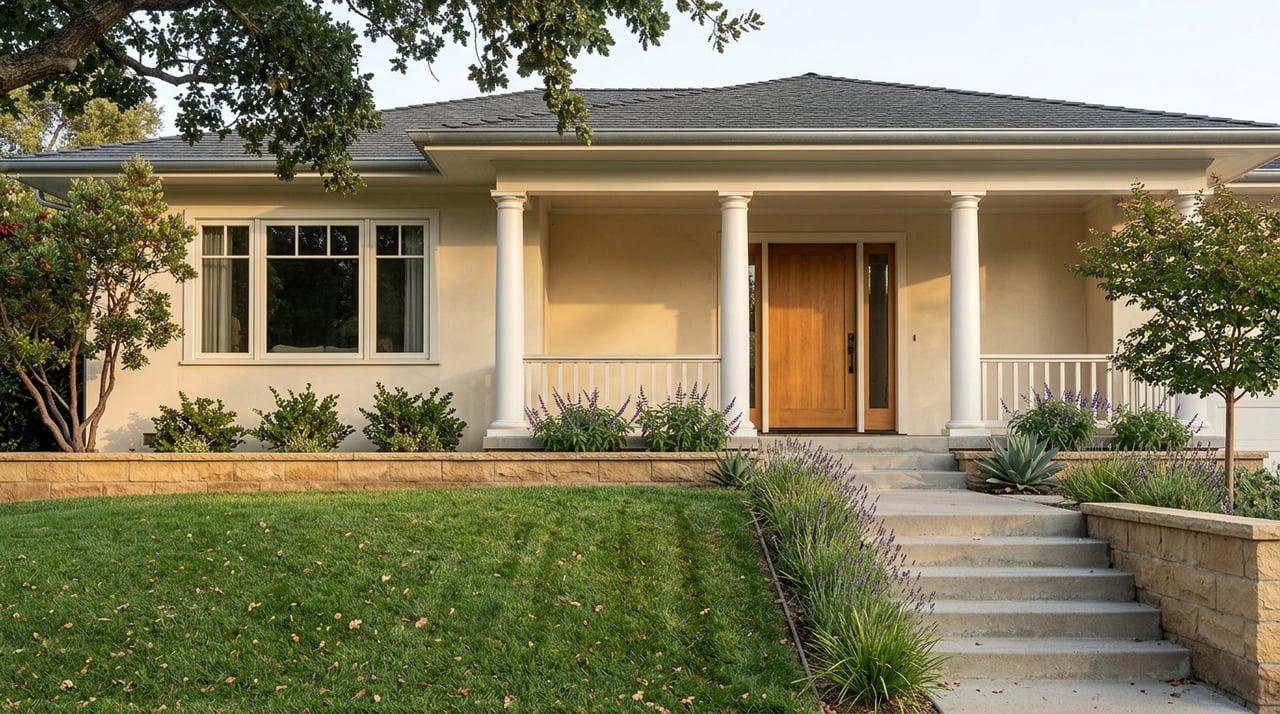
In San Marino, curb appeal is not just about looking nice in photos. Because so many homes have strong architectural identities, exterior condition can shape a buyer’s first impression of the entire property.
That is one reason exterior updates often make more sense than major interior overhauls. Paint, roofing, entry improvements, and envelope repairs tend to signal stewardship. They also support the street presence buyers expect in a high-value neighborhood.
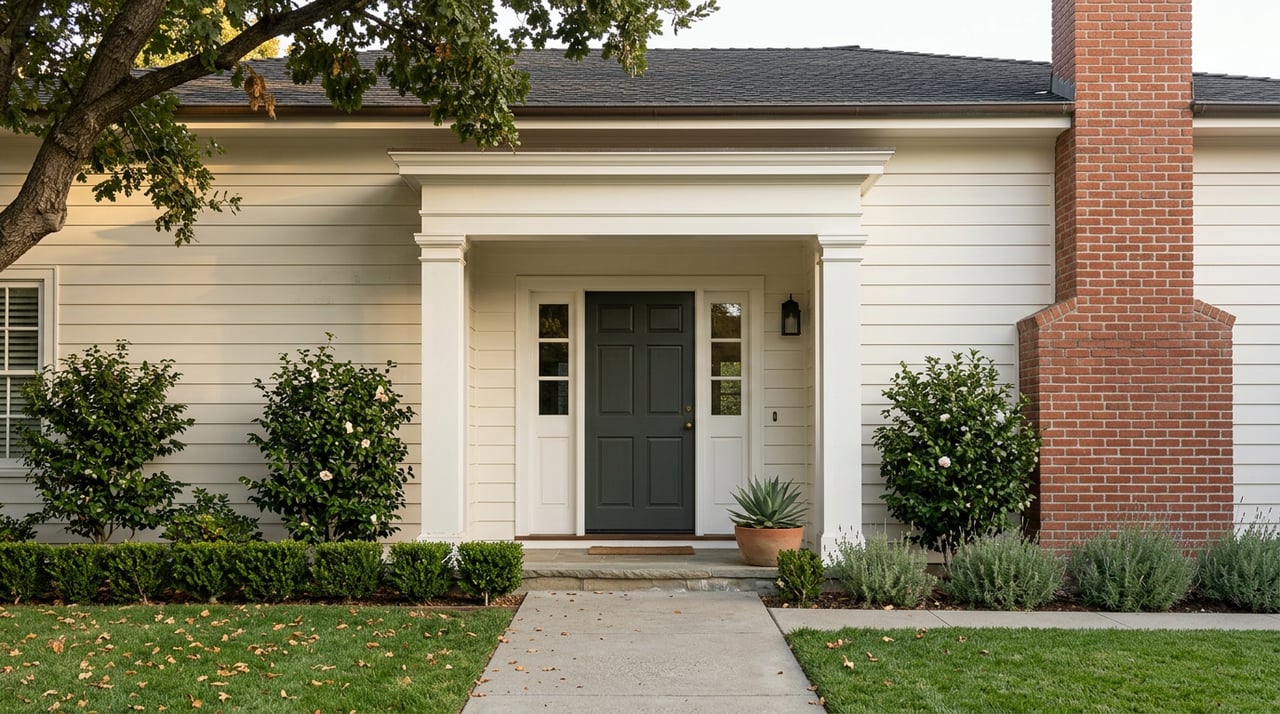
If you are weighing where to spend, start with what a buyer sees right away. A clean roofline, an appropriate front door, and a well-maintained facade often do more for value perception than a trendy interior redesign.
Be careful with windows
Windows deserve extra caution in an older San Marino home. Guidance for historic properties recommends repair over replacement when possible, and when replacement is necessary, the new windows should match the old in design, color, texture, and where possible, materials.
This matters most on primary street-facing elevations. If the original windows help define the home’s style, replacing them with something that changes muntin patterns, frame thickness, or proportion can quietly erase character. It can also undercut the visual cues that buyers are responding to.
Additions should stay subordinate
Large additions are one of the easiest ways to lose the balance of the original house. Guidance for historic buildings says additions should preserve the building’s form and significant features, remain compatible in massing and scale, and usually be placed at the rear or on an inconspicuous side.
In plain terms, the original house should still read as the main event. If new construction overwhelms the facade or mimics old detailing so closely that the history becomes muddy, the project can spend a lot of money without improving what buyers value most.
This is especially important in San Marino, where city landmark criteria recognize properties that embody a style, period, or method of construction. If a renovation causes a Period Revival home to feel generic, you may be removing part of the reason buyers were drawn to it in the first place.
Save the biggest changes for secondary spaces
Interiors do allow more flexibility, but not every room should be treated the same. Distinctive formal rooms and original architectural features usually deserve more care, while secondary or back-of-house spaces often offer more freedom for functional upgrades.
That can be a smart strategy whether you are staying or selling. If you need better storage, improved flow, or updated surfaces, concentrating those changes in kitchens, baths, service areas, or less prominent spaces often preserves the rooms that give the home its emotional pull.
Use lighting and finishes with restraint
One of the easiest ways to modernize a character home is also one of the safest: improve the finish layer. New lighting, hardware, paint, and fixtures can make a property feel fresh without changing the bones.
The key is restraint. In homes with historic or period character, lighting should support the architecture through scale and compatibility. Oversized trendy fixtures or sharply contrasting finishes can pull attention away from the home itself.
A good rule is simple: if a buyer notices the fixture before the room, it may be doing too much.
Don’t overlook the site and setting
In San Marino, the lot and landscape often contribute to the home’s presence. Mature plantings, walkways, setbacks, and the relationship between the house and garden can all shape how the property is experienced from the street.
That means site changes should be considered carefully. New work should not destroy historic features or spatial relationships if those elements help define the property’s setting. As with the house itself, compatibility matters.
A practical renovation sequence
If you are unsure where to start, use a simple order of operations. This keeps the project grounded in buyer expectations and helps you avoid overspending in areas with less resale impact.
Start here first
- Fix deferred maintenance and visible wear
- Confirm whether the property is a landmark or subject to design review
- Prioritize exterior repairs and curb appeal
- Update kitchens and baths selectively, not aggressively
- Review any addition or major exterior change for scale and compatibility
- Finalize plans before permit submission to reduce costly revisions
This sequence works well because it addresses condition first, presentation second, and larger design questions last. It also fits what many buyers want in San Marino: a house that feels authentic, well maintained, and ready for its next chapter.
The San Marino bottom line
In San Marino, character is not separate from value. It is often part of what buyers are paying for.
That is why the smartest updates usually look measured rather than dramatic. Paint, roofing, window repair, restrained kitchen and bath improvements, compatible lighting, and thoughtful exterior maintenance can help a home show beautifully without losing its architectural identity.
If you are preparing to sell, the goal is not to make the house feel new at any cost. The goal is to make it feel cared for, functional, and true to itself. That is often the sweet spot where design integrity and resale performance meet.
If you are weighing which updates make sense before a sale, Haynes Group can help you think through the resale logic, presentation strategy, and preparation plan with a design-minded, local perspective.
FAQs
What are the best pre-listing updates for a San Marino home?
- Paint, roofing work, exterior repairs, restrained kitchen updates, bathroom refreshes, and compatible entry improvements usually offer the strongest mix of buyer appeal and resale logic.
Does a historic San Marino home need special approval for renovations?
- Yes, if the home is a designated historic landmark, work may require a Certificate of Appropriateness. Even non-landmark homes can still face city review for many visible exterior changes.
Should you renovate or restore an older San Marino house?
- For most owners, rehabilitation is the most practical approach because it allows compatible updates while preserving the features that give the home its character.
How big can an addition be on a San Marino character home?
- An addition should remain subordinate to the original house, stay compatible in massing and scale, and usually be placed at the rear or a less visible side.
Should you replace original windows in a San Marino home?
- Usually, repair is preferred when possible. If replacement is necessary, matching the original design and appearance is especially important on street-facing elevations.