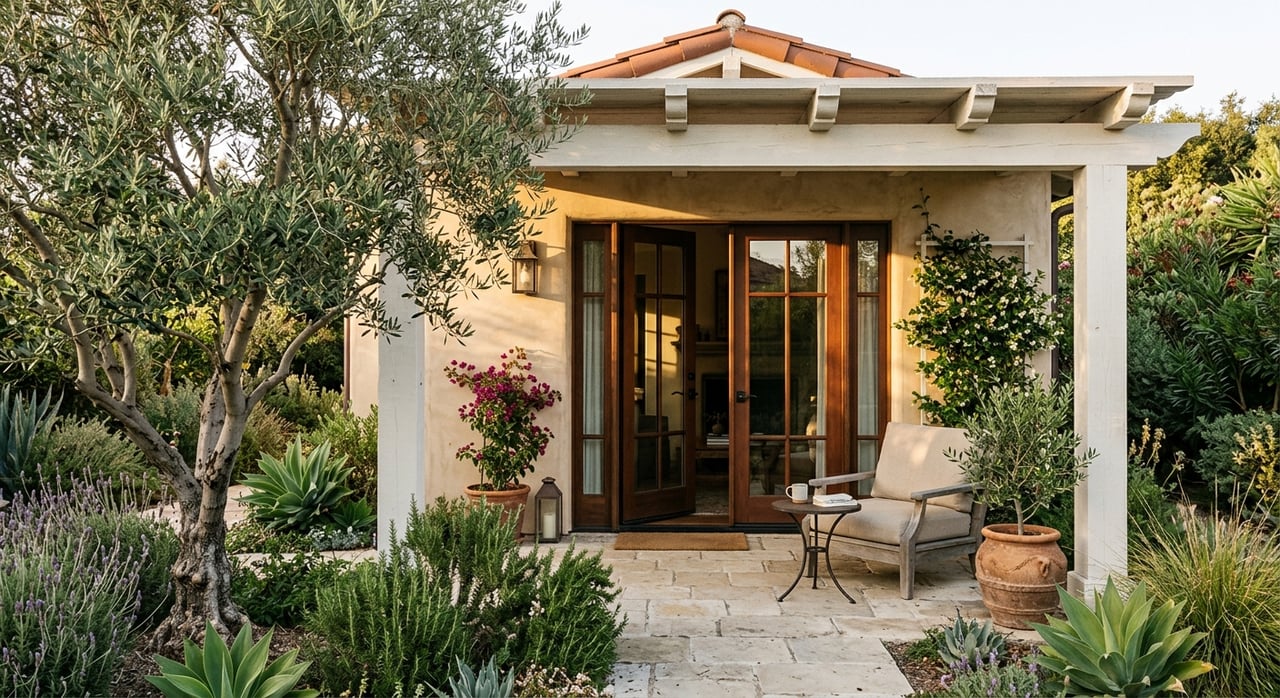
If you love South Pasadena, the idea of leaving it just to simplify your home can feel like the wrong trade. You may want less upkeep, a different floor plan, or a smarter long-term tax strategy without giving up the streets, routines, and community you already know. The good news is that staying local can be realistic with the right plan, and this guide will show you the options, timing issues, and prep steps that matter most. Let’s dive in.
Why South Pasadena downsizing is unique
South Pasadena is a small city with a big sense of place. At just 3.41 square miles, it offers a compact footprint, historic character, and a stable homeowner base, with 90.3% of residents living in the same house one year ago according to Census QuickFacts.
That stability can make downsizing feel more personal here than in a more transient market. You are not just changing square footage. You are often trying to preserve your day-to-day life while making your next move more manageable.
The financial side matters too. Census QuickFacts reports a median owner-occupied home value of $1,545,100, and recent Redfin data placed the median sale price at $1.9 million over the prior three months. In a premium-price market like this, planning your next purchase and your sale together is especially important.
What downsizing can look like locally
South Pasadena does have more than one housing type, even though it remains a tightly managed and preservation-minded market. The city’s housing element reports 11,176 total housing units, including 45% single-family detached homes, 6% single-family attached homes, 13% in 2 to 4 unit properties, and 37% in properties with 5 or more units.
For many homeowners, that creates a few realistic paths if your goal is to stay nearby. The right fit depends on how much space you want to keep, how much maintenance you want to shed, and whether you want to remain inside city limits or simply within a short radius.
Smaller detached homes
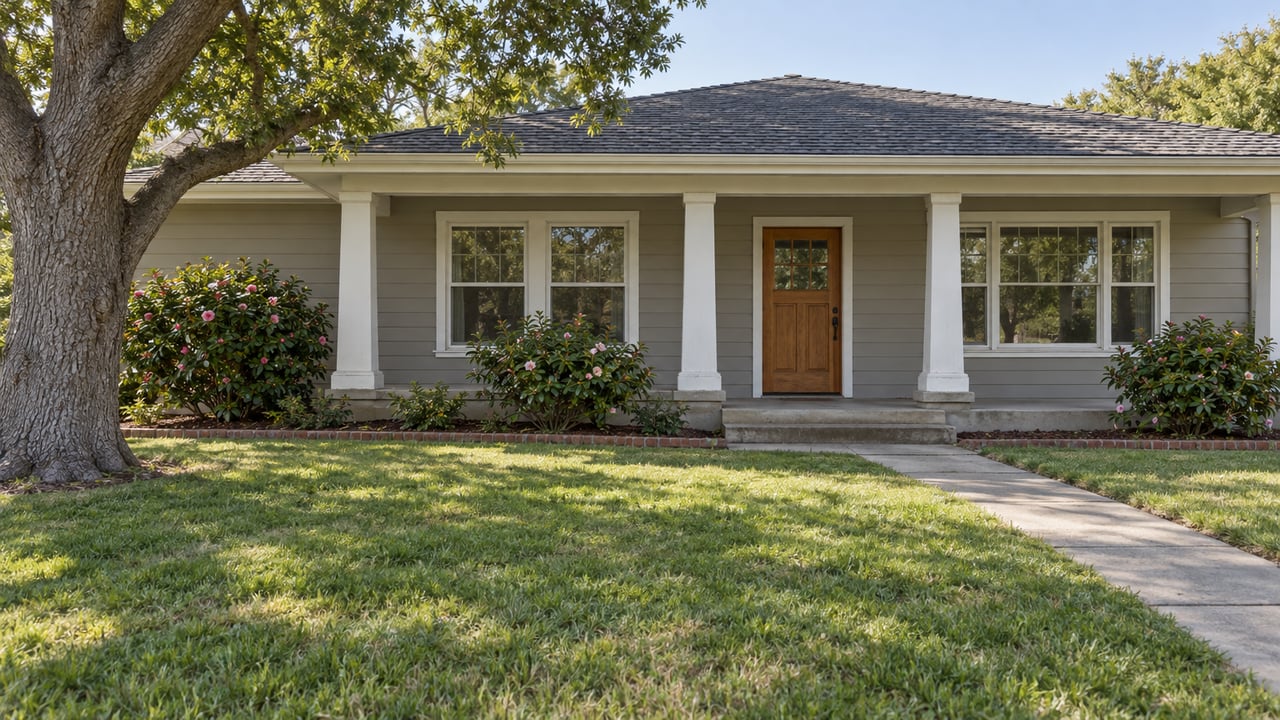
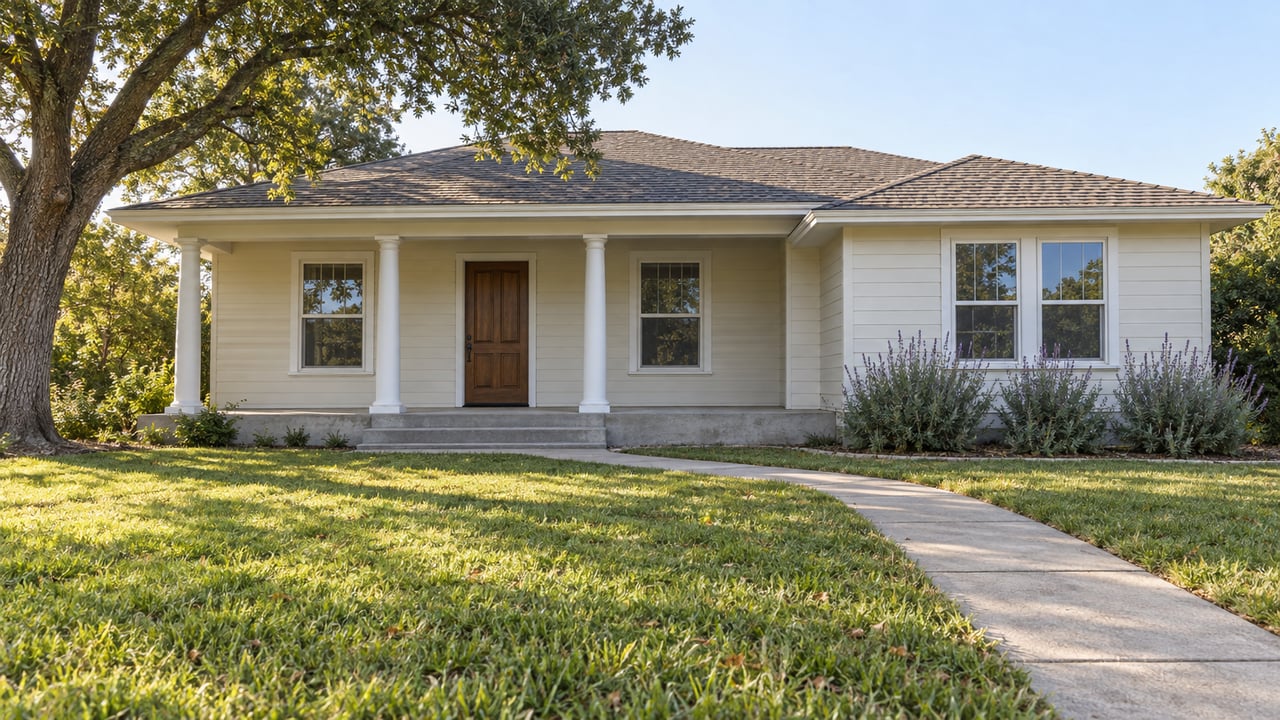
If you still want privacy and a standalone house, a smaller detached home may be the best fit. This option can let you reduce upkeep while keeping familiar features like a yard, separate entrances, or a single-level layout.
Because inventory is limited in a small city, these homes may not appear often. When they do, you may need to move decisively and coordinate your sale and purchase carefully.
Condos, townhomes, and attached homes
Attached housing can be appealing if your top goal is lower maintenance. In South Pasadena, the housing mix suggests there are opportunities to consider condos, townhomes, or other attached forms that may offer less exterior upkeep than a larger long-held house.
This path can work well if you want to stay close to your usual routines while simplifying daily responsibilities. It can also open the door to a lock-and-leave lifestyle if travel or flexibility is part of your next chapter.
Smaller multifamily units
For some downsizers, a unit in a smaller multifamily property can be the right move. This can provide a more compact footprint while keeping you in a familiar part of town or nearby.
The key is to focus on how the home supports your lifestyle now, not just what you owned before. A well-located, lower-maintenance property may serve you better than a larger home that demands constant attention.
Short-radius moves just outside South Pasadena
Because South Pasadena is so compact, staying local does not always have to mean staying within the exact city boundary. A short move nearby can still preserve many of the habits and connections that matter to you.
This can be a practical fallback if the exact smaller-home fit is not available in South Pasadena at the right time. For many homeowners, the goal is not just a new address. It is keeping life familiar while making homeownership simpler.
A stay-in-place option: ADUs
Downsizing does not always require a move right away. South Pasadena allows ADUs in compliance with state law, which means some homeowners may be able to create a smaller on-site living arrangement as part of a longer-term plan.
For example, you may explore whether your property could support a setup that lets you stay on-site in a smaller space while changing how the main home is used. This is not the right solution for everyone, but it can be worth discussing if your priority is remaining rooted where you are.
Proposition 19 can change the math
For many California homeowners age 55 and older, Proposition 19 is one of the biggest reasons a local downsizing move becomes more doable. According to the California Board of Equalization and CDTFA, eligible homeowners age 55+, severely disabled homeowners, and victims of wildfire or other natural disaster may transfer the taxable value of their primary residence to a replacement primary residence anywhere in California.
There are timing rules, and they matter. The replacement home must be purchased or newly constructed within two years of the original sale, and the claim is filed with the county assessor after both transactions are complete, not through escrow.
This rule can still help even if your replacement home costs more than the one you sold. In that case, part of the tax benefit may still be preserved rather than lost entirely.
Key Proposition 19 points to know
- Eligible over-55 and disabled homeowners can use the transfer up to three times.
- The replacement home must be your primary residence.
- If you buy before you sell, the original home must still be sold within two years of the replacement purchase.
- The replacement property may be taxed at full fair market value until the original home is sold and the transfer is completed.
- The claim is filed with the county assessor within three years of purchase or completion.
If property taxes are part of your decision, it helps to map the sale and replacement timeline early. In many downsizing moves, tax strategy and housing strategy need to be built together from the start.
Selling a long-held South Pasadena home
A long-held home often comes with more history, more emotion, and more prep work than owners expect. If you have been in your home for many years, the best results usually come from starting early and getting clear on condition, paperwork, and any city-specific issues before the home goes on the market.
This is especially true in a high-value market, where buyers tend to look closely at disclosures, maintenance, and past improvements. Cosmetic touch-ups matter, but they should not be the only part of your prep plan.
Start with disclosures
The California Department of Real Estate says the Real Estate Transfer Disclosure Statement describes the property’s condition and is not a warranty or a substitute for inspections. The same guidance also notes that late delivery of disclosures can give a buyer a right to terminate.
That is why disclosures should be treated as an early task, not a last-minute one. If your home has been updated over time, it helps to organize known information before marketing begins.
Gather permit and repair history
For many long-term owners, records are spread across years of projects, repairs, and maintenance decisions. Pulling together permit history, contractor invoices, warranties, and improvement dates can make the sale process smoother.
This step also helps you answer buyer questions with more confidence. When documentation is easy to review, the transaction often feels more orderly for everyone involved.
Consider a pre-sale inspection
A pre-sale inspection can help uncover issues before a buyer does. That gives you more control over whether to repair items, disclose them clearly, or price with those realities in mind.
In older homes, this can be especially valuable. It helps you prepare for the real condition conversation rather than relying only on surface-level presentation.
Know the required hazard and lead disclosures
The DRE says sellers of many 1 to 4 unit homes must also provide Natural Hazard Disclosures. If the home was built before 1978, federal lead-based paint disclosure rules also apply.
These requirements are another reason to prepare early. A well-organized disclosure package can reduce surprises and help your listing launch with more confidence.
Historic review can affect prep work
In South Pasadena, exterior work may involve an additional layer of review for some properties. City guidance says a Certificate of Appropriateness is required for exterior alterations, new construction, and demolition affecting properties on the Inventory of Historic Resources.
At the same time, painting and routine maintenance are exempt. The city also notes 59 local landmarks and five locally designated historic districts, so it is wise to confirm whether your property has historic status before planning exterior changes for curb appeal.
This matters because well-intended pre-listing work can create delays if approvals are needed. Before changing windows, facades, exterior details, or larger visible elements, verify the property’s status and the city’s process.
A simple downsizing game plan
If you want to stay local, a clear sequence can make the move feel much more manageable. The process is rarely just about selling one house and buying another. In South Pasadena, it often involves inventory timing, tax planning, and thoughtful home prep.
Step 1: Define your version of staying local
Start by deciding what matters most. For some people, it means staying inside South Pasadena. For others, it means staying close enough to keep the same routines, favorite places, and sense of familiarity.
Step 2: Review your housing options
Look at the realistic paths that match your priorities:
- Smaller detached home
- Condo, townhome, or attached home
- Smaller multifamily unit
- ADU-based stay-in-place plan
- Short-radius move just outside South Pasadena
Step 3: Build your timing around Proposition 19
If you may qualify, review the timing requirements before you make an offer or list your home. The order of your sale and purchase can affect taxes, cash flow, and your comfort level during the transition.
Step 4: Prepare your current home early
Before listing, organize:
- Property disclosures
- Natural hazard disclosures, if required
- Lead-based paint disclosure information for pre-1978 homes
- Permit history
- Repair and upgrade records
- Pre-sale inspection results, if you choose to obtain them
- Historic status verification for exterior work planning
Step 5: Coordinate the sale and purchase as one plan
In a premium market, details matter. Pricing, property preparation, replacement-home search, and transaction timing should support one another so you can move with less stress and more clarity.
Downsizing in South Pasadena while staying local is possible, but it usually works best with a plan that respects both the financial side and the emotional side of the move. If you want thoughtful guidance on preparing a long-held home for sale and mapping out your next step nearby, Haynes Group offers the kind of hands-on, white-glove support that can make a complex transition feel much more manageable.
FAQs
Can I keep my property-tax base when downsizing in South Pasadena?
- Often yes, if you are eligible under Proposition 19 and meet the timing and primary-residence requirements.
What are realistic downsizing options within South Pasadena?
- Common possibilities include a smaller detached home, an attached home such as a condo or townhome, or a smaller multifamily unit, based on the city’s housing mix.
What if I buy a replacement home before selling my South Pasadena house?
- California guidance says your original home must be sold within two years of the replacement purchase, and the replacement may be taxed at full fair market value until the transfer is completed.
Do South Pasadena historic rules affect pre-listing exterior work?
- Yes, they can. Painting and routine maintenance are exempt, but certain exterior alterations, new construction, and demolition on affected historic properties may require a Certificate of Appropriateness.
What should I gather before listing a long-held South Pasadena home?
- Start with disclosures, permit history, repair records, any inspection reports, and confirmation of whether historic-property review may apply to planned exterior work.