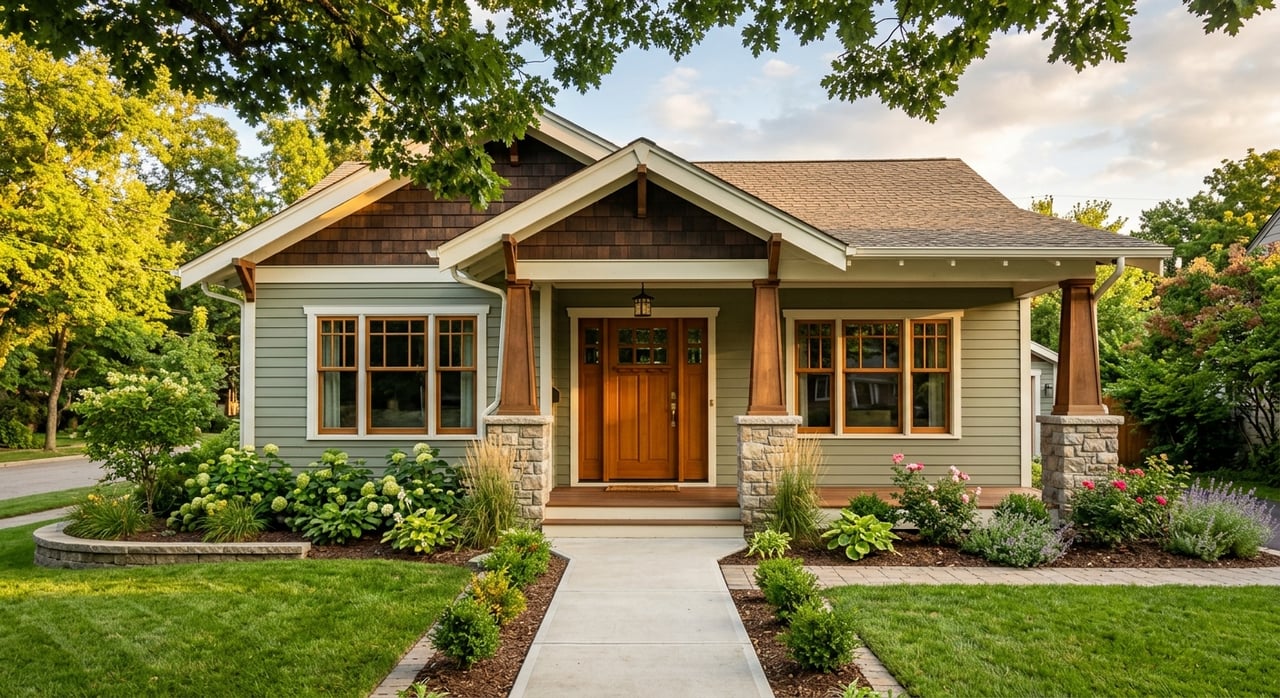
If you own a character home in Highland Park, getting it ready for sale is not about making it look brand new. It is about helping buyers see what is already special while removing the issues that create doubt. In a neighborhood where original details and historic context matter, the right prep can protect your home’s story and strengthen its market appeal. Let’s dive in.
Why character matters in Highland Park
Highland Park-Garvanza is one of Los Angeles’ largest Historic Preservation Overlay Zones, with about 4,000 structures and more than 50 City Historic-Cultural Monuments. The area includes homes built from the 1880s through the 1940s, with styles such as Craftsman, Mission Revival, Tudor Revival, Queen Anne, and Shingle.
That matters when you prepare to sell. In Highland Park, buyers are often drawn to original architecture, not generic updates. A home that still reads as true to its period can stand out more than one that has been over-modernized.
Start with what buyers see first
Curb appeal carries real weight before a showing even begins. NAR reports that 92% of REALTORS® recommend improving curb appeal before listing, and 98% say it matters to buyers.
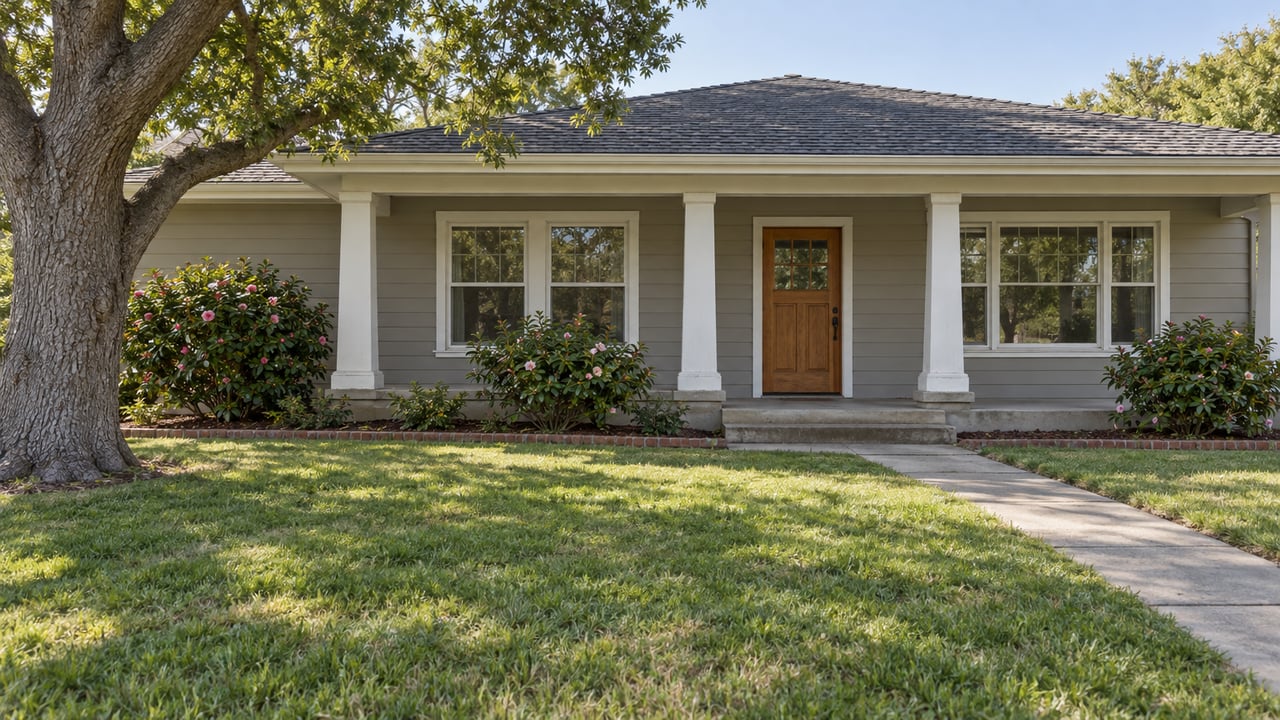
In Highland Park-Garvanza, curb appeal should also fit the historic streetscape. The preservation plan says front and side yards should generally remain green and open, non-porous ground coverings should be minimized, and landscaping should not block views of the house.
Keep the front yard simple
A clean, period-sensitive yard usually works better than an elaborate redesign. Traditional front-yard character should be preserved, and recurring historic plantings may be reintroduced where appropriate.
Before listing, focus on straightforward improvements like these:
- Trim overgrown plants that hide the facade
- Clear views to the porch and front door
- Refresh planting beds without overcrowding them
- Keep lawn and ground cover tidy and open
- Remove clutter from walkways and entry areas
This kind of prep helps the architecture lead the conversation.
Highlight the home’s defining details
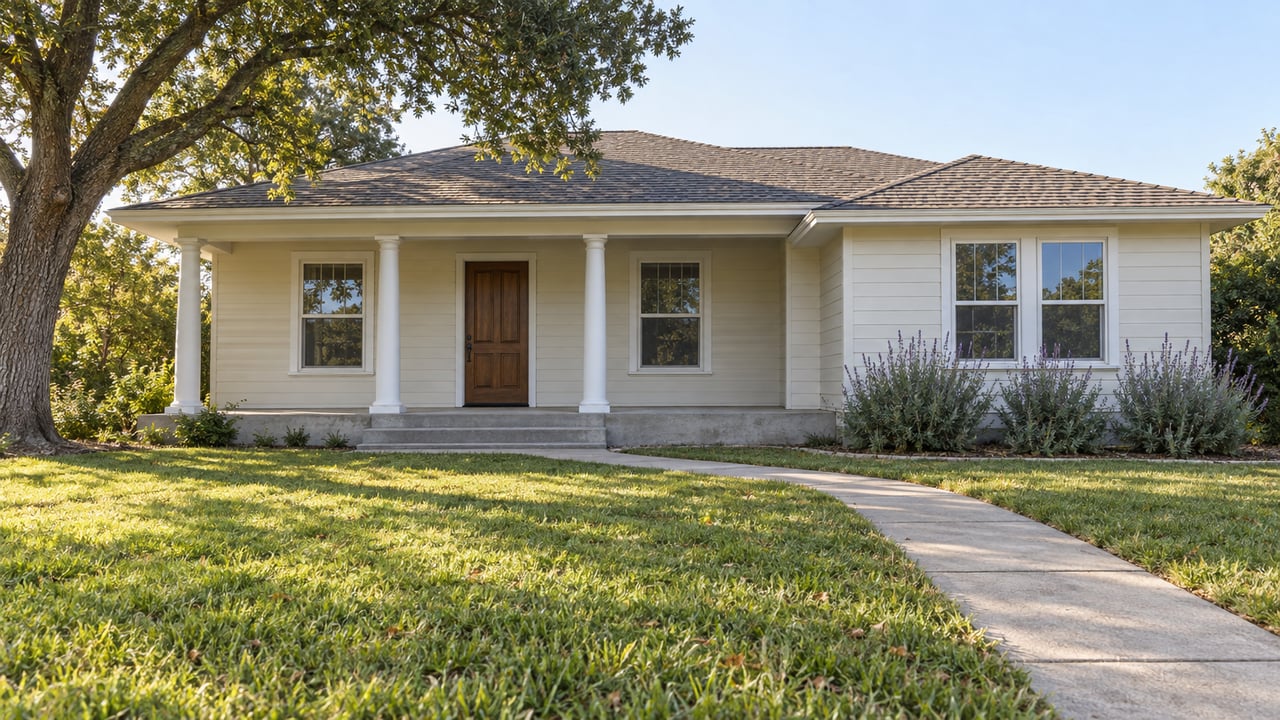
Different Highland Park homes have different visual cues worth showing off. Craftsman homes often feature shallowly pitched overhanging roofs, spacious porches, grouped windows, natural wood doors, and earth-tone palettes. Spanish Colonial Revival homes often feature stucco or plaster exteriors, red tile roofs, arched openings, and decorative ironwork or tile.
Your pre-listing work should help these details show clearly in person and in photos. The goal is not to add trend-driven style. The goal is to reveal what is already there.
Repair before you replace
One of the biggest mistakes sellers make with character homes is replacing original elements too quickly. In Highland Park, repair often adds more value than unnecessary replacement because it preserves authenticity and avoids choices that feel out of place.
That approach also fits broader pre-listing guidance. NAR’s 2025 Remodeling Impact Report found that the most commonly recommended projects before listing include painting the entire home, painting a single interior room, and installing new roofing.
Windows deserve a careful look
Historic windows can often be repaired instead of replaced. The Highland Park-Garvanza Preservation Plan notes that peeling paint, draftiness, sticking sashes, and loose putty are often manageable repairs.
The plan also states that maintaining historic windows can make good economic sense because they often last longer than modern replacements. If replacement is truly necessary, the new window should match the original in size, shape, pane arrangement, materials, hardware, and profile.
Preserve the porch if possible
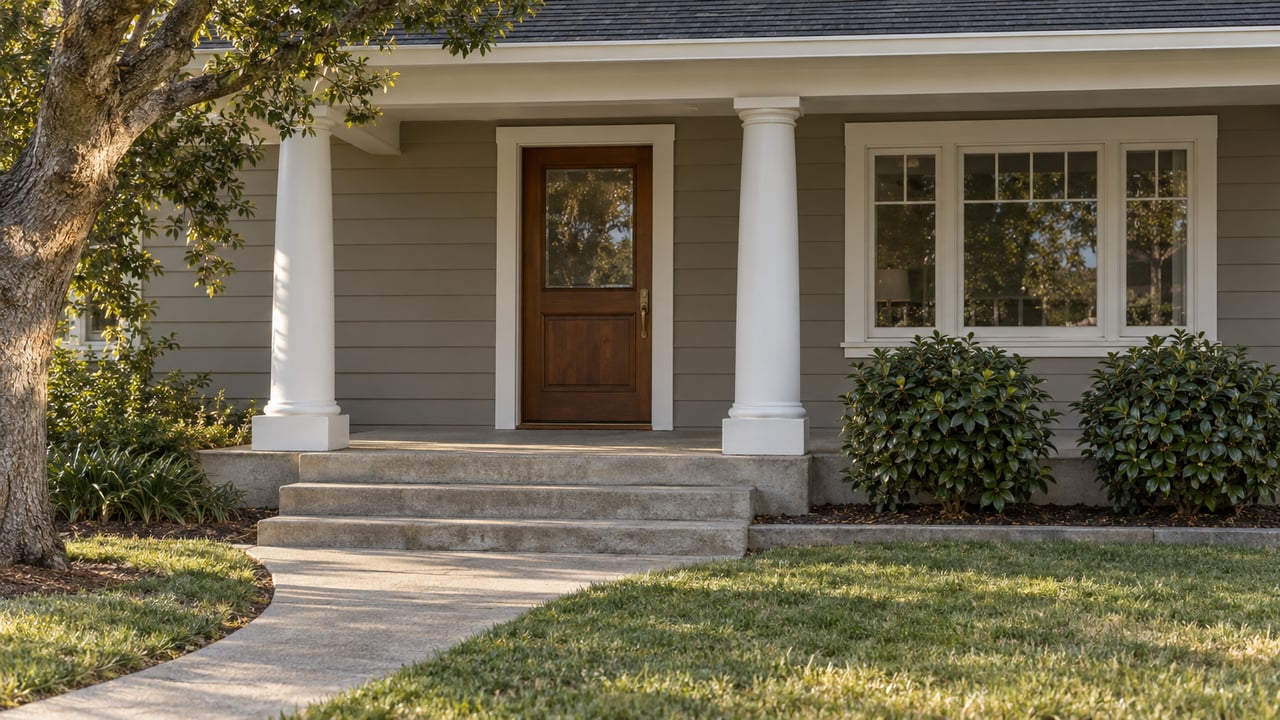
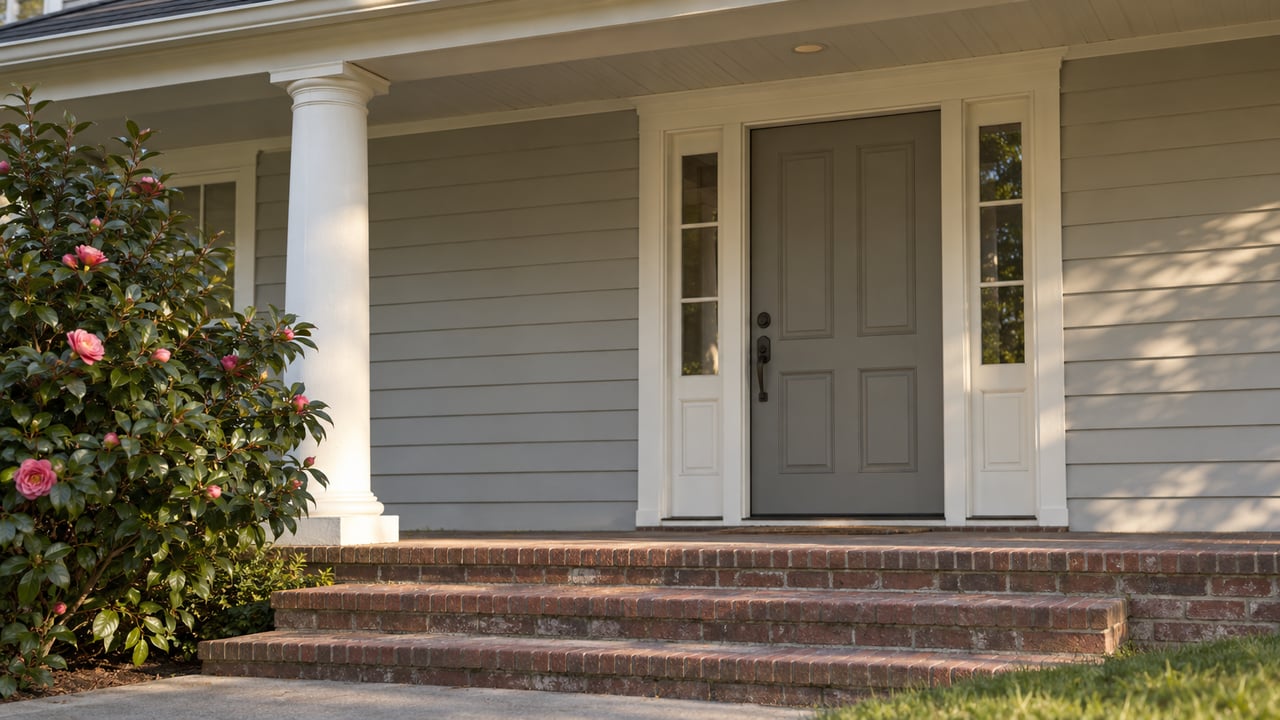
For many Highland Park homes, the porch is one of the most important visual features. The preservation plan recommends repairing porch elements in place when possible, preserving original steps, and avoiding the enclosure of a historic porch that is visible from the street.
That makes porch cleanup and repair a smart pre-listing move. Loose rail details, worn paint, deferred maintenance, or visual clutter can distract from one of the home’s strongest assets.
Be selective with the front door
A front-door replacement can have strong cost recovery, but Highland Park sellers should be cautious here. HPOZ guidance requires a replacement door to match the original size, shape, materials, and profile, and metal security doors that block the door from view are discouraged.
If the original door can be repaired, that is often the better path. Historic doors and surrounds should be preserved, and original stained or varnished wood doors should not be painted just to make them feel more current.
Approach exterior paint thoughtfully
Fresh paint can help a home feel cared for, but a historic exterior should be handled with restraint. The preservation plan recommends cleaning and maintaining stucco and painted surfaces, repairing water leaks, and matching the original texture if repairs are needed.
In some cases, dirty paint may simply need cleaning rather than full repainting. If repainting is needed, matte exterior paint is recommended, and all-one-color schemes are discouraged because they can flatten architectural detail.
Avoid flattening the facade
Character homes tend to benefit from depth and contrast. Trim, window sash, porch elements, and architectural accents often read better when the palette supports the original design.
Historic paint palettes can often be matched through paint manufacturers. For sellers, this means a thoughtful refresh usually works better than a dramatic color shift.
Focus interior prep on polish, not reinvention
Inside the home, buyers usually respond best to a clean, bright, well-maintained presentation that lets the architecture stand out. You do not need to strip out the soul of the house to make it market-ready.
The most recommended pre-listing projects nationally include painting the entire home and painting a single interior room. For a Highland Park character home, that can mean neutral touch-ups where needed while preserving built-ins, fireplace surrounds, original millwork, and other period details.
Remove visual noise
Design-conscious buyers often come into Highland Park with a strong point of view. NAR found that 76% of respondents said buyers already had ideas about their ideal home before starting the search.
That means your home should feel intentional, not crowded. Clear away pieces that hide original details, reduce heavy or overly trendy decor, and create enough breathing room for buyers to notice scale, light, and craftsmanship.
Stage to reveal the architecture
Staging matters because it helps buyers imagine how a home lives. NAR’s 2025 Profile of Home Staging found that 83% of buyers’ agents said staging makes it easier for buyers to visualize a property, and 60% said it affects buyers’ view of the home most of the time.
The most commonly staged spaces were the living room, primary bedroom, dining room, and outdoor or yard space. For a Highland Park home, those are often the rooms where period features have the most impact.
Keep staging light and style-specific
In a character property, less is often more. Photos are especially important, with buyers’ agents citing photos, physical staging, videos, and virtual tours as key tools.
Your staging plan should support photography by showcasing:
- Natural light
- Built-ins
- Fireplaces
- Original tile
- Window groupings
- Porch details
- Room scale and flow
Heavy furniture and trend-chasing decor can compete with the house. A lighter approach helps buyers focus on the architecture itself.
Match the home’s style
Craftsman homes generally benefit from warm wood tones, earth colors, and simple natural finishes. Spanish-influenced homes often pair well with materials and accents that echo stucco, tile, and ironwork.
The takeaway is simple: stage in a way that supports the home’s period language. You want the presentation to feel calm, honest, and connected to the structure.
Understand HPOZ review before making changes
Highland Park-Garvanza is an HPOZ, which means exterior work is subject to additional review. That includes landscaping, alterations, additions, and new construction.
If you are preparing to sell, this is an important guardrail. Last-minute exterior changes that seem harmless can create unnecessary complications if they are not historically compatible.
Think compatibility, not convenience
The safest pre-sale improvements are usually maintenance-oriented. Repairing what is there, cleaning surfaces, addressing visible wear, and preserving original features typically align better with the neighborhood context than rushed redesigns.
This can also help you avoid spending money in ways that do not support buyer expectations in Highland Park.
Do not overlook lead paint rules
If your home was built before 1978, federal law requires disclosure of known lead-based paint hazards before sale. In addition, paid renovation work that disturbs painted surfaces in pre-1978 housing must follow lead-safe rules and use certified renovators or contractors.
This matters during pre-listing prep. If you plan to scrape, sand, repair, or repaint older painted surfaces, make sure the work is handled properly.
What the current market suggests
Redfin describes Highland Park as somewhat competitive. Over the three months ending May 2026, the median sale price was about $1.19 million, homes sold in a median of 44 days, and about 45% sold above list price. Redfin also notes that some homes receive multiple offers.
For sellers, the message is encouraging but clear. You do not need to erase your home’s history to compete. In this market, a strong strategy is to preserve original character, make repairs that reduce buyer uncertainty, and avoid renovations that remove the very features buyers may be looking for.
A smart pre-listing checklist
Before you bring a Highland Park character home to market, focus on the improvements that make the home feel cared for and historically grounded.
- Clean up the front yard and keep views open
- Repair porch elements and preserve original steps where possible
- Evaluate historic windows for repair before replacement
- Clean or repaint exterior surfaces thoughtfully
- Preserve original doors and visible architectural details
- Declutter interiors so built-ins, light, and scale stand out
- Use light staging that supports the home’s period character
- Confirm whether exterior changes may need HPOZ review
- Follow lead-safe requirements if pre-1978 painted surfaces are disturbed
Preparing a character home for sale takes restraint, judgment, and a clear understanding of what buyers value in Highland Park. When the work is done well, the home feels polished without losing its identity.
If you are thinking about selling a distinctive home and want thoughtful guidance on what to repair, what to leave alone, and how to present it for the market, the team at Haynes Group would be glad to help.
FAQs
What should you fix before selling a Highland Park character home?
- Focus first on visible maintenance and buyer-confidence issues, such as paint touch-ups, roof concerns, porch repairs, window maintenance, and front-yard cleanup, while preserving original details whenever possible.
Can you replace old windows in a Highland Park HPOZ home?
- Sometimes, but the preservation plan says historic windows can often be repaired, and if replacement is necessary, the new windows should match the originals in size, shape, pane arrangement, materials, hardware, and profile.
Should you repaint a historic home before listing in Highland Park?
- Only if the home truly needs it. In some cases cleaning may be enough, and if repainting is necessary, the preservation plan recommends matte paint and warns against one-color schemes that flatten architectural detail.
How should you stage a Highland Park Craftsman or Spanish-style home?
- Use light, intentional staging that reveals the architecture, natural light, built-ins, fireplaces, tile, porch details, and room scale instead of covering them with heavy furniture or trendy decor.
Does exterior work on a Highland Park-Garvanza home need extra review?
- Yes, exterior work in the HPOZ, including landscaping and alterations, is subject to additional review, so it is smart to understand that before making last-minute changes before listing.
What disclosures matter for an older Highland Park home before sale?
- If the home was built before 1978, you must disclose any known lead-based paint hazards, and paid renovation work that disturbs painted surfaces must follow lead-safe rules using certified renovators or contractors.