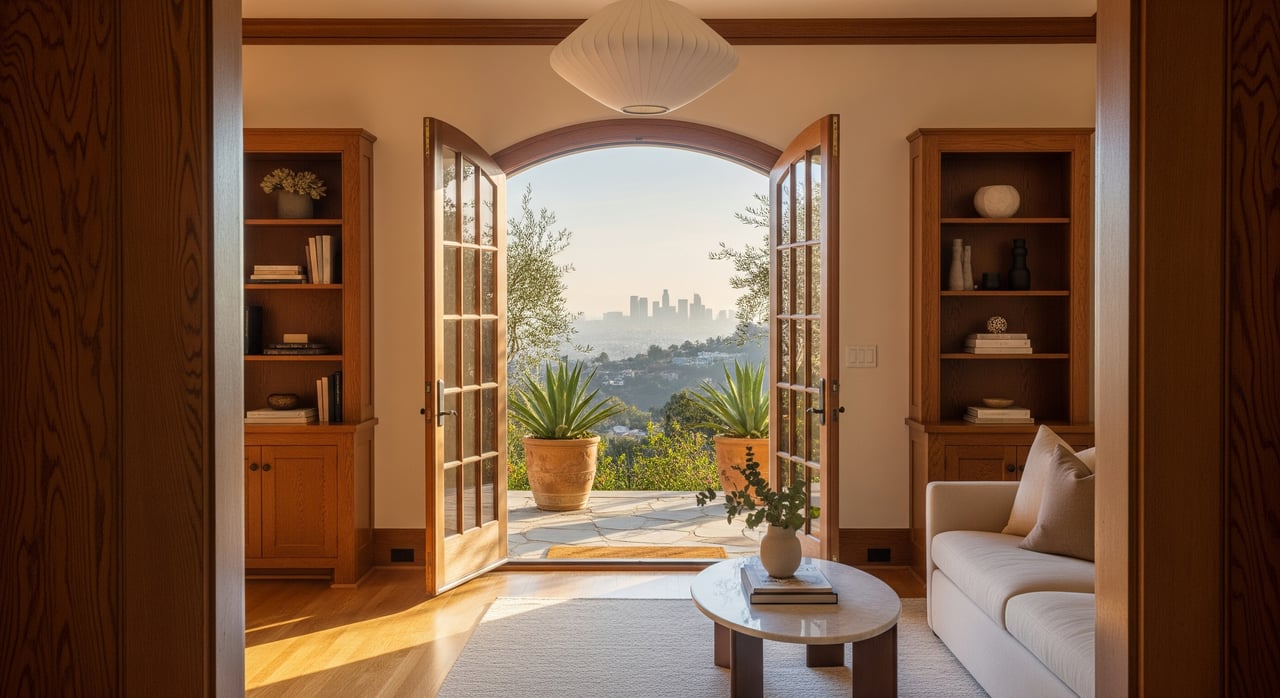
Ever walked into an Eagle Rock open house and wondered what is really going on behind the sign‑in sheet and friendly tour? You are not alone. Open houses feel casual, but there is a clear process designed to help you learn fast, ask smart questions, and decide if a home is worth a closer look. In this guide, you will learn how open houses work in Eagle Rock, what to look for in older homes, the questions that matter in California, and the next steps if you want to make an offer. Let’s dive in.
Eagle Rock basics that shape open houses
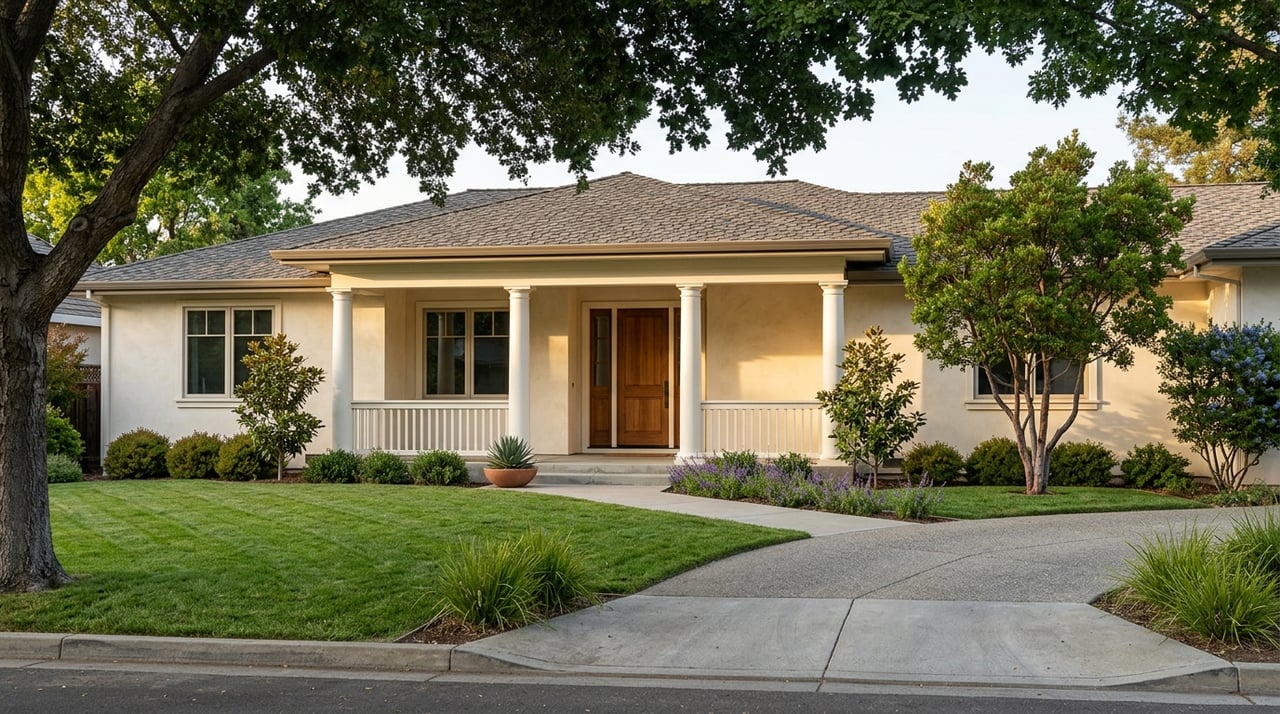
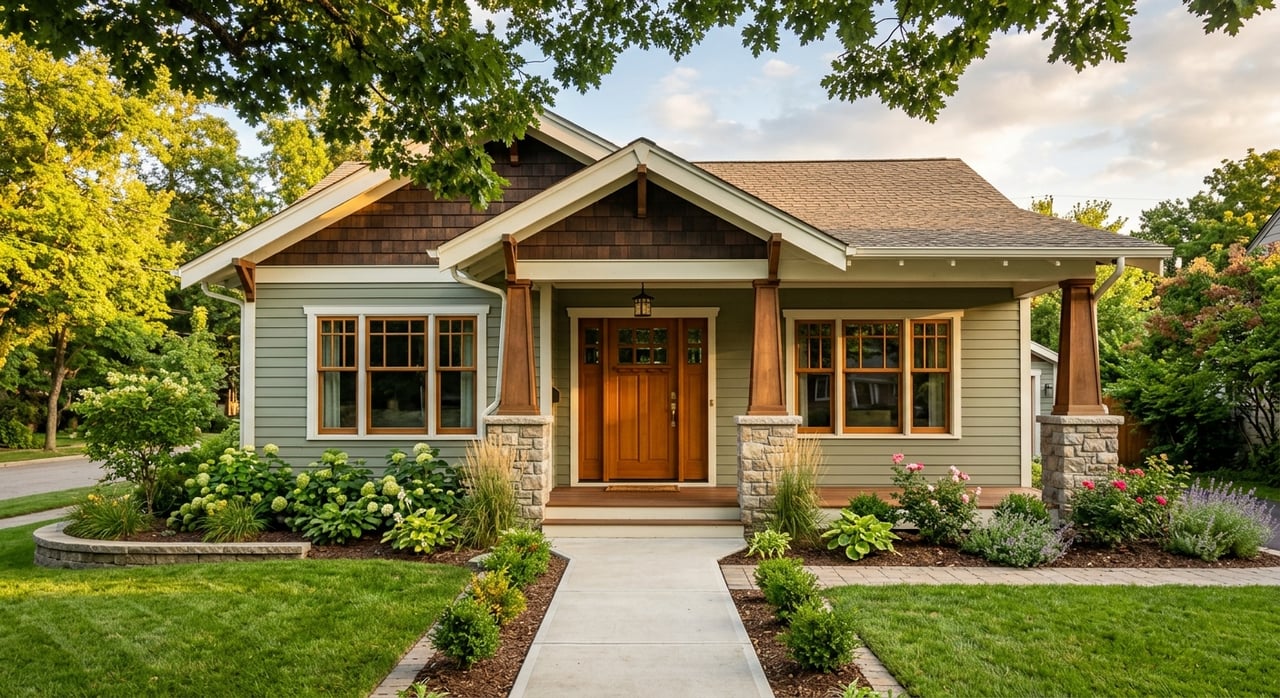
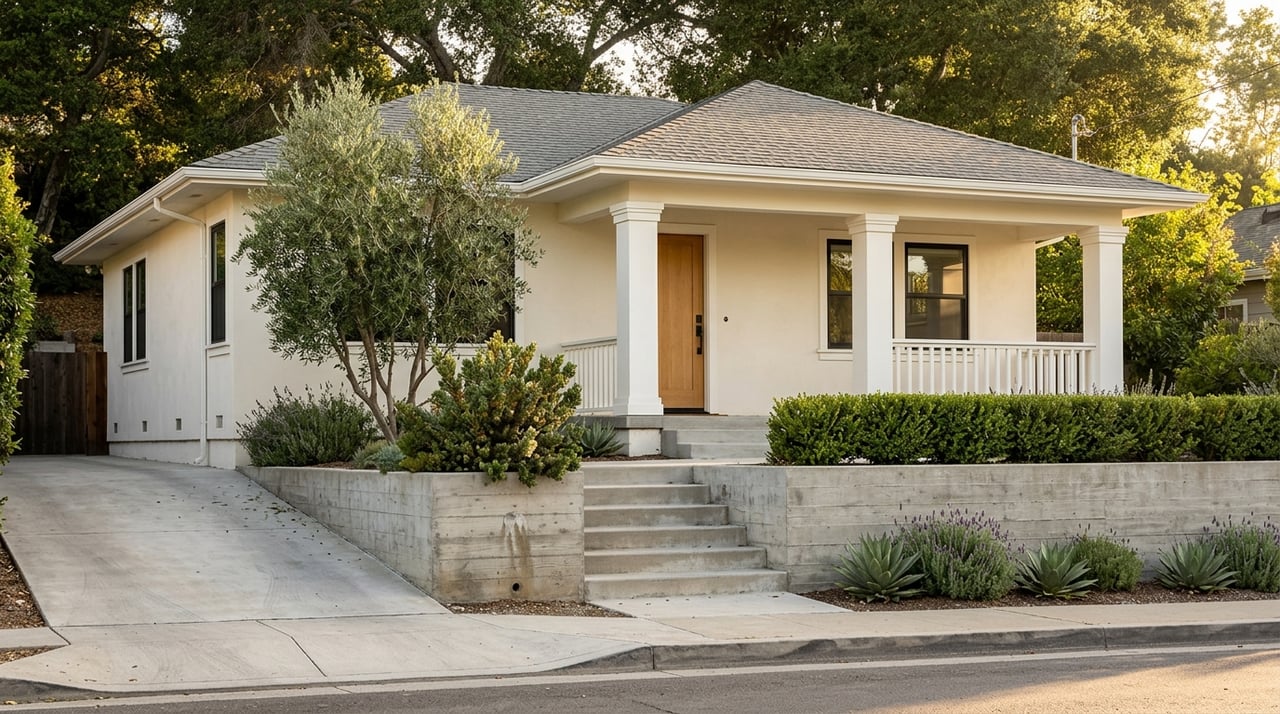
Eagle Rock is a mature Northeast LA neighborhood with early 20th‑century single‑family homes, small multi‑family buildings, and some mid‑century houses. You will see Craftsman and Spanish Colonial styles along with infill renovations. Many blocks are hilly, and the commercial spine along Colorado Boulevard keeps parts of the area very walkable.
Older homes are part of the charm, but they also mean you will want to pay special attention to systems. Roof age, foundation, plumbing, electrical, and heating and cooling are common focus areas during quick tours.
Timing and traffic patterns
Most open houses in Eagle Rock happen on weekends. Sunday afternoon is the most common slot, with Saturday hours also frequent. You can expect more listings and foot traffic on weekend afternoons, and holiday weekends often bring extra activity.
Proximity to Occidental College and local small businesses can increase walk‑in interest on nearby blocks. If you are aiming for a quiet tour, arrive early in the window or plan a private showing later.
Parking and access
Street parking can be tight on residential blocks, especially near hillside streets or busy corridors. Plan for a short walk from your car to the property. For questions about posted restrictions or permit zones, check the Los Angeles Department of Transportation parking rules.
Zoning and ADUs
Small multi‑family buildings and accessory dwelling units appear throughout Northeast LA. If you have questions about permitted uses, potential for an ADU, or past work, plan to ask the listing agent and verify with city records.
What to do before you go
If you are seriously shopping, ask your buyer’s agent to preview listings or schedule a private showing when you need more time and detail. Open houses are great for first impressions. Private showings are better for deeper inspection and strategy.
Bring comfortable shoes, a phone or notepad for quick notes and photos, and a pen in case the sign‑in is on paper. If you already have a buyer’s agent, bring their contact information or a card so the listing agent knows you are represented.
Sign‑in, etiquette, and safety
Sign‑in and your privacy
Most open houses ask for your name, email, and phone. Listing agents use this for follow‑up and attendance records. If you prefer to share less, you can offer minimal info like first name and city, or give your buyer agent’s card instead. If privacy is a concern, ask how the agent uses and stores contact details and how long they keep them.
On‑site etiquette
Be punctual, and try to stay together if you are touring as a group. Avoid opening private drawers or cabinets. Ask before taking extensive photos or video, especially if the home is occupied. If you already have an agent, share that up front so the listing team can route questions correctly.
Safety pointers
Bring a companion when possible, keep your valuables secure, and avoid sharing sensitive personal details during the tour. Industry groups offer practical reminders to stay aware of exits and avoid isolating in closed spaces. For general best practices, review the National Association of Realtors safety guidance.
What to look for during the tour
Your goal in a 20–30 minute visit is to notice big‑ticket items and potential red flags. Use this quick checklist to make the most of your time.
High‑priority quick checks
- Odors: musty smells can suggest moisture or mold, while strong chemical smells may point to recent painting or remediation.
- Floors and walls: look for sloping floors, sagging, or large cracks in walls or ceilings. Note where you see them.
- Water stains and moisture: check ceilings, window frames, and cabinet bases for stains or rust. Ask about the history of leaks.
- Roof and gutters: from the yard, scan for missing shingles or sagging lines. Note any signs of recent replacement.
- Windows and doors: are they double‑pane, do they open and close smoothly, and is there fogging between panes.
- Heating and cooling: find the HVAC equipment, ask the age and type, and note any window units.
- Electrical: glance at the panel if visible. Older homes may have limited circuits or older panels. Ask about updates.
- Water heater and plumbing: check the tank location, any visible date labels, and signs of active leaks.
- Grading and drainage: on hillside lots, look at retaining walls and whether the ground slopes toward the house.
- Neighborhood factors: listen for traffic noise around Colorado Boulevard, check street parking patterns, and note nearby construction.
Lower‑priority but useful notes
- Storage and closets, yard size and usability, fence and driveway condition, and any signs of pests.
What to photograph
- Front and back exteriors, kitchen, primary bed and bath, any visible damage, views from key windows, and immediate street and parking conditions.
Red flags worth deeper follow‑up
- Strong musty or chemical odors, extensive water damage, electrical hazards like burn marks, significant foundation cracks, or signs of professional remediation without documentation. Plan to verify with reports and permits.
Smart questions to ask the listing agent
You will get more value from a 5‑minute conversation than a stack of flyers. Use these questions to focus on what affects value and risk.
- How long has the property been on the market, and have there been price changes.
- Are there offers now. If not, why.
- What major defects or repairs are known. Are there receipts or warranties for work.
- Are recent inspection reports or permits available for electrical, plumbing, structural work, or ADUs.
- How old are key systems like the roof, HVAC, water heater, and sewer lateral.
- What are typical utility costs, property taxes, and any HOA dues.
- Are there any neighborhood or city plans that could affect the property, such as proposed developments or street work.
- Is the property in a Natural Hazard Disclosure area for flood, fire, earthquake fault, or landslide.
- Who occupies the property now, and if tenant‑occupied, what are the lease terms.
- What level of seller disclosure will be provided and when.
California disclosures and agency basics
In California, sellers provide written disclosures about known material facts that affect the property. Expect forms such as the Transfer Disclosure Statement and a Natural Hazard Disclosure during escrow or sometimes in the listing package. For statewide standards and forms context, review the California Association of Realtors disclosure resources.
Listing agents represent the seller unless stated otherwise. California allows limited or full dual agency in certain cases with informed consent. If you want independent representation, make that clear. For consumer education on agency duties and disclosures, visit the California Department of Real Estate consumer information.
Remember, open houses do not replace inspections. If you move forward, plan a full inspection set that may include a general home inspection, pest and termite, and a sewer scope, along with any specialized evaluations as needed.
After the open house: what happens next
Expect quick follow‑up
Listing agents often reach out within 24 to 72 hours to share documents, answer questions, and schedule private showings. If you already have a buyer’s agent, they can coordinate details, request disclosures, and confirm timing on offers and deadlines.
Get your financing ready
If you are shopping seriously, have your mortgage pre‑approval or proof of funds in hand. That preparation strengthens your position when you find the right home, especially in active Northeast LA markets.
Plan your offer and contingencies
Standard offers include contingencies for inspection, appraisal if you are financing, and loan approval. Adjusting those terms can impact your competitiveness and your risk. Discuss strategy with your agent before you submit.
If multiple buyers are interested
Sellers may set an offer deadline, ask for highest and best terms, or accept the first strong offer. Confirm the seller’s process and timeline with the listing agent so you can respond on schedule.
Practical next steps
- Compare your notes and photos across homes and rank your top choices.
- Request disclosures and permits and review them with your agent.
- If you are serious, schedule a private showing for a closer look.
- After acceptance, order inspections promptly and confirm all key dates.
Local tools that help you verify
- For street rules or permit parking, check the Los Angeles Department of Transportation parking rules.
- To confirm whether past work was permitted, use the Los Angeles Department of Building and Safety permit records.
- For statewide forms and disclosure standards, see the California Association of Realtors disclosure resources.
- For licensing and consumer guidance on agency duties, visit the California Department of Real Estate consumer information.
Ready to approach Eagle Rock open houses with a clear plan. If you want a private strategy session, neighborhood context, or help structuring a competitive offer, reach out to the Haynes Group. We are here to help you move with confidence.
FAQs
What time are open houses in Eagle Rock, Los Angeles?
- Most open houses run on weekends, especially Sunday afternoons, with Saturday hours also common; arrive early for lighter crowds.
Do I have to sign in at an open house in California?
- Sign‑in is typical for safety and follow‑up; you can share minimal information or your agent’s card and ask how your data is used.
What should I look for in older Eagle Rock homes during a quick tour?
- Focus on roof age, foundation, plumbing, electrical panel, HVAC, drainage on hillside lots, and any signs of water intrusion.
How do California disclosure rules work after an open house?
- Sellers provide written disclosures like the Transfer Disclosure Statement and Natural Hazard Disclosure during escrow or in the listing package.
How can I check permits for work done on a property in Los Angeles?
- Use the Los Angeles Department of Building and Safety online resources to search permit history and verify completed work.
Can the listing agent also represent me in California?
- California allows dual agency with informed consent; ask about representation and decide if you want your own buyer’s agent.