Trying to choose between La Crescenta–Montrose and La Cañada Flintridge for your foothill home? You’re not alone. Both offer mountain views, strong community ties, and convenient access to Pasadena, Glendale, and Burbank. Yet the day-to-day experience can feel very different. In this guide, you’ll compare governance, schools, housing styles, price points, commute patterns, and wildfire considerations so you can match the right neighborhood to your priorities. Let’s dive in.
Quick comparison: key differences at a glance
| Feature | La Cañada Flintridge (LCF) | La Crescenta–Montrose |
|---|---|---|
| Governance | Incorporated city with council–manager government and city services | Unincorporated LA County community with county-provided services |
| Public schools | Served by La Cañada Unified, a small unified district with strong outcomes | Served by Glendale Unified; Crescenta Valley High reports strong performance within the district |
| Typical 2026 price medians | Sold median around $2.1M as of Jan 2026; local value indices near ~$2.3M | Sold median around $1.4M as of Jan 2026; local value indices near ~$1.27M |
| Lot character | Larger parcels common, including estate pockets south of the 210 | Smaller-lot fabric in many areas; modest post‑war and midcentury homes dominate |
| Commute sweet spots | Close to Pasadena and JPL; quick access to 210 and SR‑2 | Convenient to Glendale and Burbank; easy 210 access |
| Vibe & amenities | Park- and trails‑forward with estate and equestrian traditions | Neighborhood‑centric with walkable local business nodes and trailheads nearby |
Sources: city governance and services details are outlined by La Cañada Flintridge’s overview. School performance context is available via GreatSchools’ La Cañada Unified page and Crescenta Valley High’s profile, with accountability data at Ed‑Data. Market medians reference January 2026 snapshots from major market trackers.
How governance affects daily life
LCF is an incorporated city. It operates under a council–manager form of government and delivers many municipal services directly. That can streamline questions about permits, brush clearance, or local ordinances. You’ll work with the city for items like planning and certain public works. Learn more from the city overview.
La Crescenta–Montrose is unincorporated. Los Angeles County departments handle land use, public works, some permits, code enforcement, sanitation contracts, and law enforcement. For policing, the Los Angeles County Sheriff’s Department’s Crescenta Valley Station serves the area. See the LASD Crescenta Valley Station for context.
What this means for you: when you evaluate a property, confirm which agency governs your parcel. It can affect permit timelines, brush‑clearance requirements, and who to call for street or drainage questions.
Schools and enrollment basics
Public school overview
Many buyers place schools at the top of the list. LCF is served by La Cañada Unified, a compact, high‑performing unified district known for strong test results and graduation outcomes across its campuses. You can explore district context on GreatSchools’ La Cañada Unified page and school accountability data via Ed‑Data’s La Cañada High profile.
La Crescenta–Montrose is served by Glendale Unified. Crescenta Valley High School consistently reports strong performance within the district and receives high parent ratings on standard measures. See Crescenta Valley High on GreatSchools for a snapshot. Because Glendale Unified is larger and more diverse than LCUSD, experiences can vary by campus and program.
Important: boundaries can change. Always confirm current attendance maps and enrollment policies directly with the district before you write offers.
Private‑school options
Families who plan for private education will find several notable options in and around LCF, including established independent schools that draw from across the foothills. A regional overview is available through U.S. boarding and independent school resources. When comparing addresses, weigh commute time to your chosen campus alongside public district options.
A quick parent checklist
- Confirm the current attendance boundary for your exact address with the district.
- Review each school’s accountability reports and program offerings.
- Map the daily commute to your preferred private or magnet options.
- Consider after‑school logistics and activities near home.
Housing styles and lot size tradeoffs
La Cañada Flintridge: estates and space
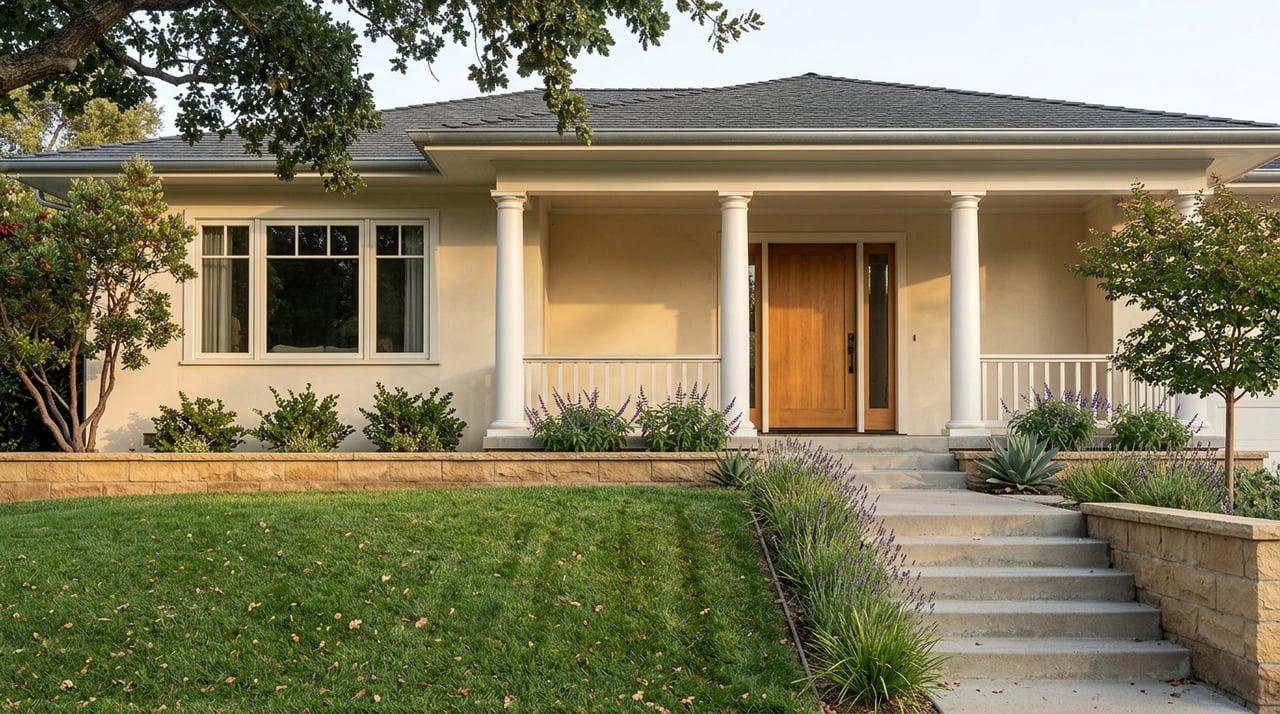
LCF’s housing stock blends 1920s to 1930s estate‑era properties, midcentury ranches, and modern custom homes. Many streets feel wooded and semi‑rural, especially in older Flintridge pockets south of the 210. Larger parcels are common, and equestrian traditions remain part of the local fabric. For historical context on the area’s estate character and equestrian heritage, see this Los Angeles Times feature.
What to expect: it’s common to see 10,000 square foot lots and up, with half‑acre or larger parcels in estate neighborhoods. That extra space supports bigger footprints, pool yards, and privacy buffers that many buyers prize.
La Crescenta–Montrose: modest lots and midcentury charm
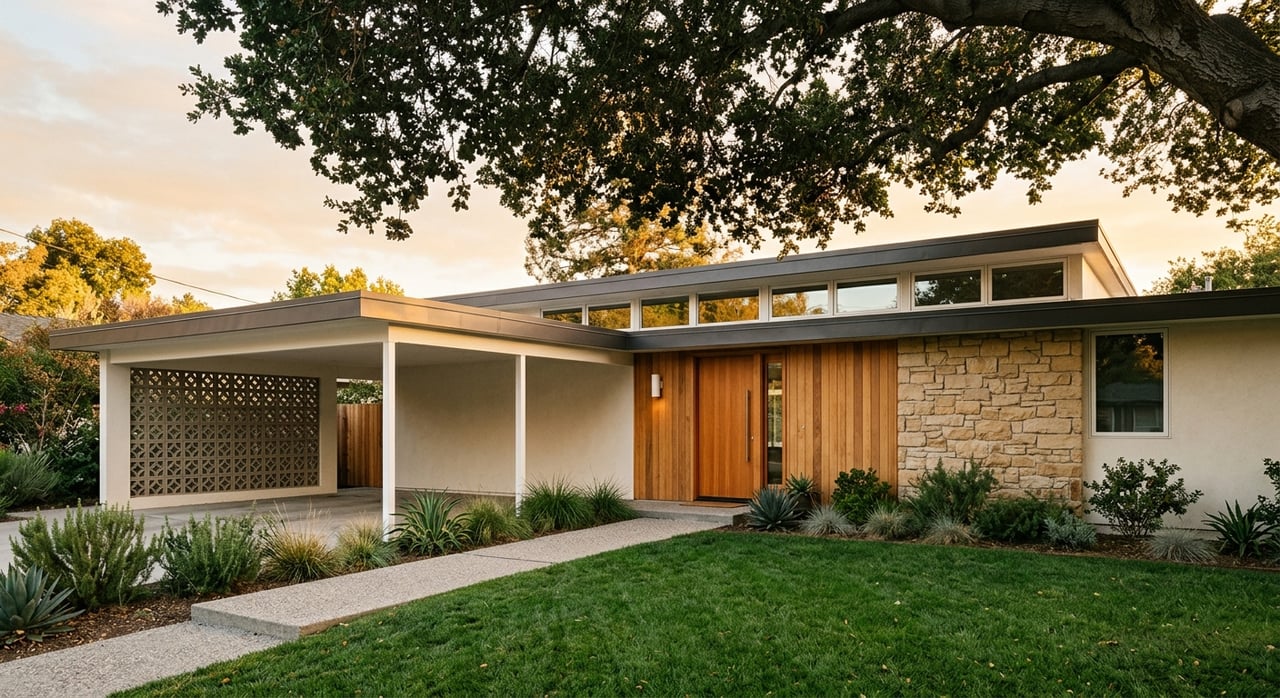
La Crescenta–Montrose includes early subdivision grids and a large inventory of post‑war ranches, bungalows, and midcentury homes. Smaller parcels are typical in the heart of the community, with hillside pockets offering more land in select areas. The LA County Planning spotlight highlights the two primary commercial corridors and neighborhood grid that shape daily life. Read the community spotlight for an overview.
What to expect: in many neighborhoods, parcels range roughly 4,000 to 10,000 square feet. That can translate to easier upkeep and a more neighborhood‑centric street feel, with mature trees and close‑in local amenities.
Micro‑areas to know
- La Crescenta–Montrose: Montrose’s grid near Honolulu Avenue, Briggs Terrace, and hillside pockets above Foothill.
- La Cañada Flintridge: older Flintridge south of the 210, Deodar‑lined streets, and estate enclaves with larger lots.
Every micro‑neighborhood has its own zoning nuances and parcel patterns. Walk the block and confirm lot dimensions and setbacks during due diligence.
What your budget buys today
As of January 2026, major market trackers show a clear spread between the two areas:
- La Cañada Flintridge: median sold price about $2.1 million. Local value indices place typical home values near $2.3 million.
- La Crescenta–Montrose: median sold price about $1.4 million. Local value indices place typical home values near $1.27 million.
These figures illustrate the common premium for LCF, which reflects larger average lot sizes, a higher share of estate‑caliber properties, and the draw of a compact, high‑performing unified district. In low‑inventory, high‑demand markets, median listing prices can sit above median sold prices, so compare both when you set expectations. Always check live MLS data for current inventory and tour schedule.
Commute and daily logistics
If you work in Pasadena or at JPL, LCF’s location just off the 210 and near SR‑2 often shortens the drive. Many LCF addresses reach JPL in roughly 5 to 10 minutes outside of peak congestion. La Crescenta–Montrose positions you closer to Glendale and Burbank employment centers while still offering fast access to the 210 corridor.
Public transit in both communities is limited. Most residents drive, and rail options typically require a short trip to a Metro or Metrolink station. LCF operates local weekday shuttles along main corridors, while La Crescenta–Montrose is served by county and regional bus lines. For a general overview of LCF’s services and context, review the city overview.
When you compare addresses, test your personal commute during the times you actually travel. Drive to your top work sites, your preferred grocery and pharmacy, and any after‑school activities to see the real‑world rhythm.
Wildfire, insurance, and hillside questions
Both communities sit at the urban–wildland interface beneath the San Gabriel Mountains. That geography brings great views and trail access, plus wildfire and hillside considerations that every buyer should plan for.
- Check the parcel’s designation on CAL FIRE’s Fire Hazard Severity Zone maps. These designations influence defensible‑space obligations, building‑material requirements for remodels, and in some cases insurance availability and cost. Start with the CAL FIRE FRAP resource hub.
- Ask about local brush‑clearance schedules, slope stability, and drainage improvements. Historical wildfire events in the region, including the 2009 Station Fire, shaped current preparedness and runoff management. For background, see this overview of wildfire management in Los Angeles wildland areas.
- Build a parcel‑specific plan. Your lender and insurer can help you evaluate coverage options and any required mitigation.
Which foothill is right for you?
Choose La Cañada Flintridge if you prioritize larger lots, an estate‑oriented feel, and a compact unified public school district. You will likely compete in a higher price band, and properties may move quickly in top school micro‑zones.
Choose La Crescenta–Montrose if you value foothill living at a lower entry point, prefer modest yard maintenance, and want easy access to Glendale and Burbank. You will find more options in the entry‑to‑mid price tiers while still enjoying trailheads and a close‑knit neighborhood vibe.
Next steps
- Confirm your school priority and verify current attendance boundaries for any address you consider.
- Set a pricing plan using both sold and active comparables and be ready to move when a fit appears.
- Walk the block to understand lot character, sun exposure, and street dynamics.
- Run real‑world commutes to work, schools, and weekly errands.
- Pull parcel‑level hazard, brush, and drainage disclosures and consult your insurer early.
If you want a grounded, neighborhood‑first perspective on both communities, we’re here to help. As long‑time foothill specialists with design and build experience, we can match your wish list to the right street and guide you through preparation, offer strategy, and escrow. Reach out to Haynes Group to compare live listings, walk target blocks, and chart your best path forward.
FAQs
How do LCF and La Crescenta differ in local government?
- LCF is an incorporated city that handles many services directly, while La Crescenta–Montrose is unincorporated and relies on LA County departments for land use, permits, and law enforcement support from the Sheriff’s Crescenta Valley Station.
What is the current price gap between the two areas?
- As of January 2026, major trackers put LCF’s median sold price near $2.1M and La Crescenta–Montrose near $1.4M, with value indices showing a similar spread due to lot size, estate supply, and school‑district dynamics.
Which public schools serve each community?
- LCF is served by La Cañada Unified, a small, high‑performing unified district; La Crescenta–Montrose is in Glendale Unified, with Crescenta Valley High reporting strong performance. Always confirm current boundaries with the districts.
Are there wildfire‑related insurance impacts I should know about?
- Yes. Both areas have parcels in mapped Fire Hazard Severity Zones that can affect defensible‑space rules, materials for remodels, and insurance availability. Check the CAL FIRE FRAP maps and consult your insurer early.
How do lot sizes and home styles compare?
- LCF commonly features larger parcels, including estate pockets with half‑acre or more, and a mix of estate‑era homes, ranches, and custom builds. La Crescenta–Montrose skews to modest lots with post‑war and midcentury homes, plus some larger hillside parcels.