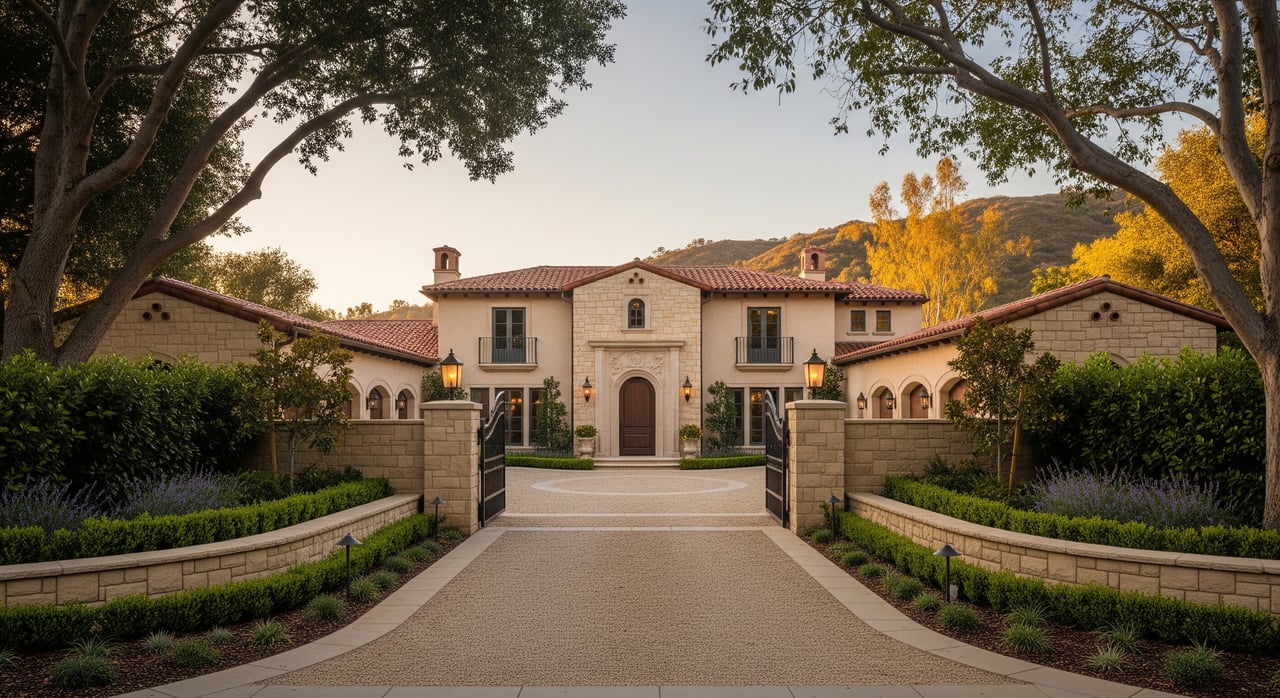
Thinking about selling your La Cañada Flintridge home and wondering how to position it for today’s luxury buyers? You are not alone. In a small, high‑wealth market like LCF, the right preparation, timing, and pricing can make a meaningful difference in your final outcome. This guide outlines what buyers expect, which features command premiums, and a practical pre‑listing plan tailored for LCF sellers. Let’s dive in.
Why LCF luxury sells differently
La Cañada Flintridge is a boutique single‑family market where buyers value privacy, larger lots, and a lifestyle that supports family living. Many shoppers focus on proximity to community amenities and the strong reputation of La Cañada Unified School District. That mix of priorities means homes that are turnkey, well‑sited, and documented often stand out.
Because LCF is small, a handful of high‑end sales can skew monthly medians. Use citywide statistics for direction, but base your strategy on true comparables and active competition in your micro‑neighborhood. Expect different timelines by segment: move‑in‑ready family homes may move faster than legacy estates that require tailored marketing.
Current market signals to watch
- Median sale price and days on market are helpful directional metrics, but confirm them with a local MLS comp set. Small sample sizes can distort medians in LCF.
- Regional trends from the California Association of Realtors provide useful context on rates, inventory, and buyer demand.
- Focus on the buyer pool for your specific property. School‑year timing, usability of the lot, and privacy can influence how quickly qualified buyers act.
What luxury buyers expect now
Today’s LCF buyers often prefer homes that feel move‑in ready. You do not need a full gut remodel to compete, but targeted refreshes matter.
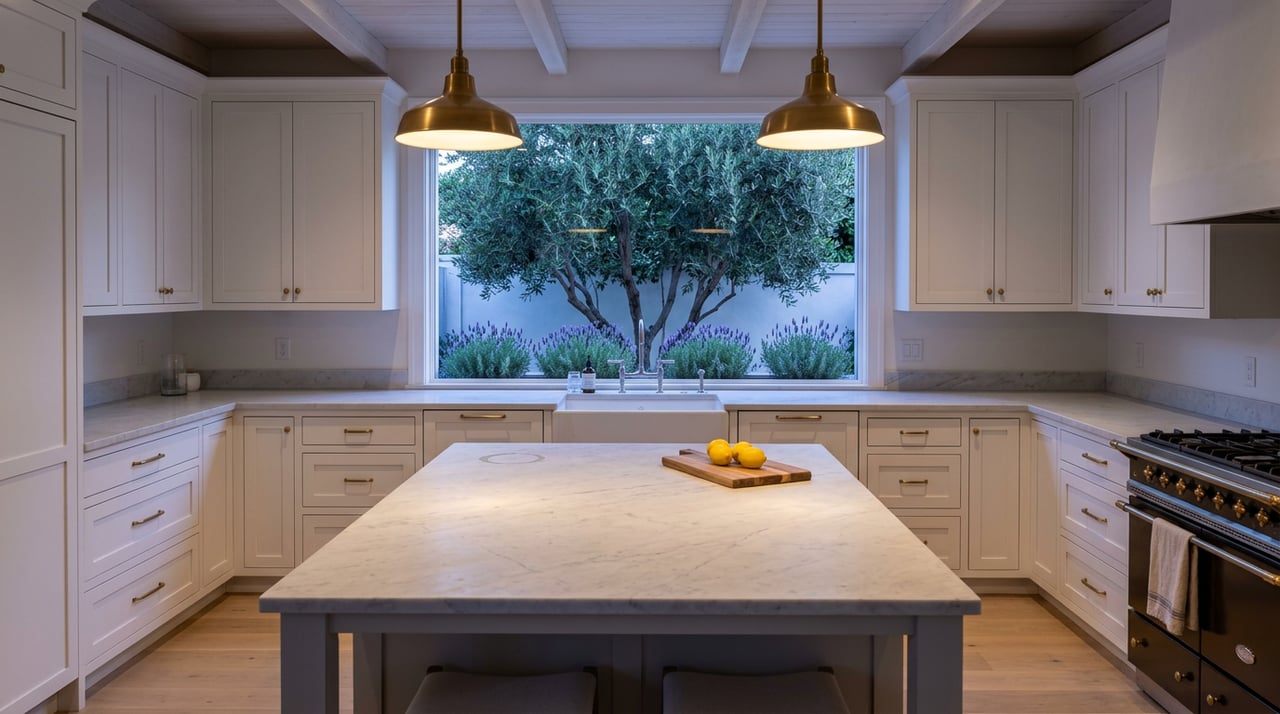
- Turnkey condition: Updated kitchens and primary baths, fresh paint, refinished floors, and clean mechanicals perform well. The NAR Remodeling Impact report highlights kitchen and bath projects as frequent value drivers.
- Flexible layouts: Open kitchens, defined spaces for work or study, and a comfortable primary suite are common requests.
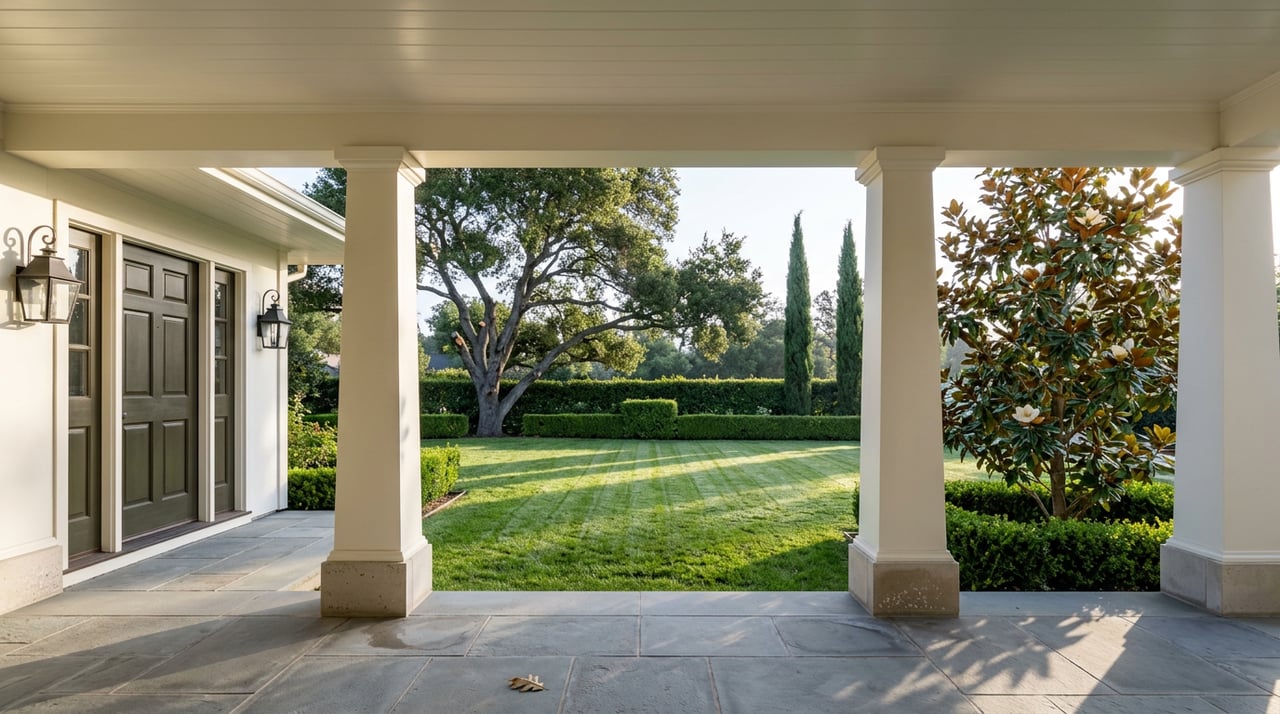
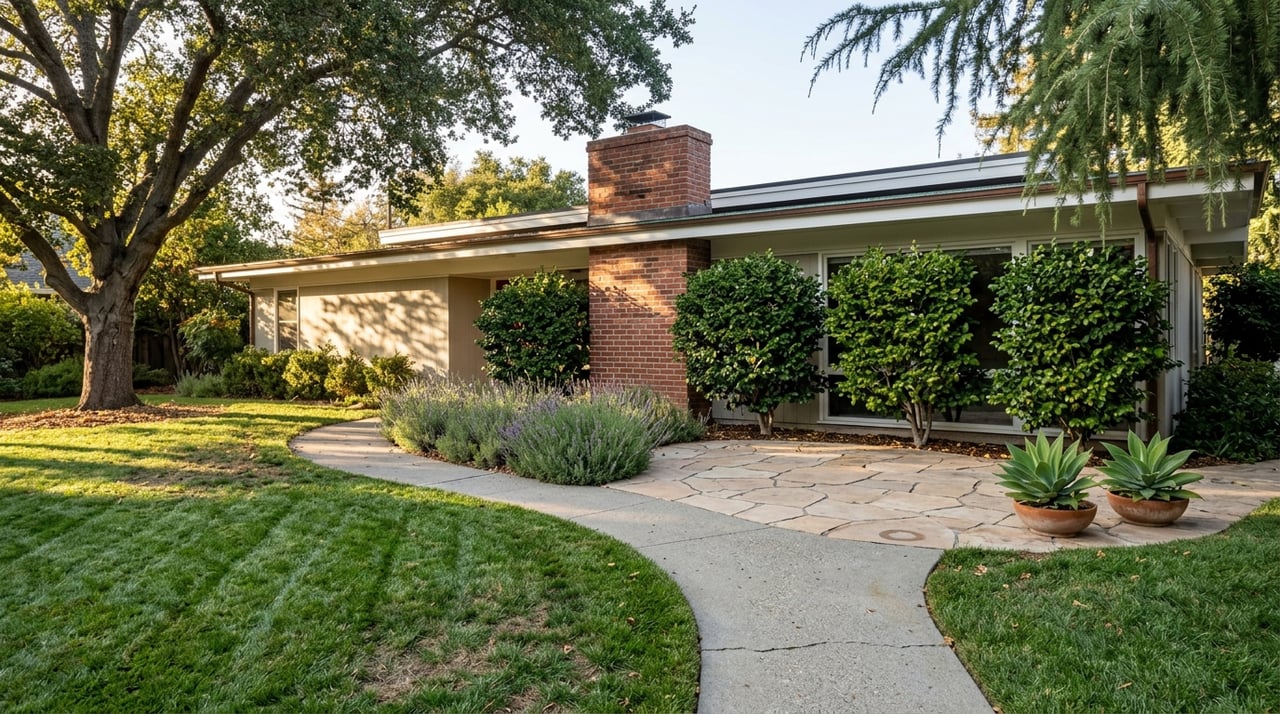
- Indoor/outdoor living: Flat, usable yards; pool or spa; patios and outdoor kitchens; and mature landscaping are prized in this climate and price tier.
- Systems and sustainability: Documented roof, HVAC, plumbing, and electrical care reduce negotiation friction. Solar, EV charging, and smart‑home features are increasingly expected at luxury price points.
- Privacy and security: Setbacks, fencing, landscaping buffers, and well‑placed screening can contribute to a premium feel.
Value drivers unique to LCF
School district influence
LCF’s public schools are a major component of buyer demand. Academic research finds that higher‑quality public schools are often capitalized into home prices, though the premium varies by market and location. For context on district performance, review California Department of Education DataQuest alongside the LCUSD site. For pricing, the most reliable method is comparing similar homes in and near attendance boundaries.
Lot size, privacy, and views
Bigger is not always better; how the land lives is key. Flat, usable yards that support play, entertaining, or an ADU typically command stronger interest than steep acreage. Privacy also ranks high, especially for homes set back from the street or screened by mature landscaping. Hillside or ridge properties with foothill or city views can trade at meaningful premiums, depending on view quality and accessibility.
Zoning and ADUs
Permitted accessory dwelling units add flexibility and can boost marketability for multigenerational living or potential rental income. If you have an ADU or plan to build one, verify permits and keep documentation handy. Buyers respond well to clear records.
Your pre‑listing plan for top‑dollar
A thoughtful plan can compress timelines and support stronger offers. Start with the fundamentals, then layer high‑impact upgrades and premium marketing.
1) Nail valuation and comps
- Commission a local, luxury‑focused CMA that filters for lot size, views, condition, and school boundaries.
- Consider a pre‑listing appraisal for unique estates or unusual properties.
- Use nearby active and pending listings to understand current buyer options.
2) Fix major mechanicals and document
- Address roof, HVAC, electrical, plumbing, and septic/sewer items before listing when feasible.
- Gather permits, warranties, and receipts for past work. Organized records build buyer confidence.
3) Targeted upgrades with strong ROI
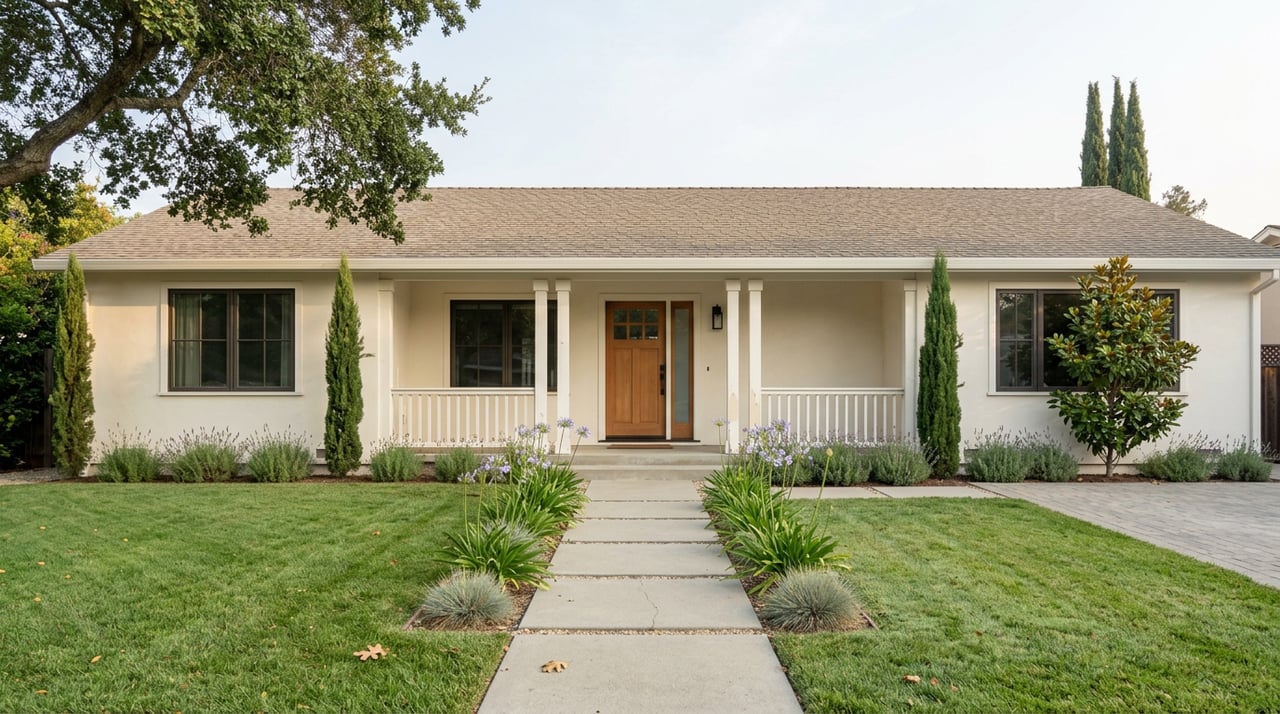
- Focus on a kitchen refresh, primary bath updates, interior paint, flooring, lighting, and curb appeal.
- Enhance outdoor living with landscape tune‑ups, simple hardscape, or a tidy pool area.
- Consider energy features such as solar ownership details, EV charger, and smart‑home systems if missing.
4) Stage and elevate the visuals
- Professionally stage key rooms to refine scale and flow for photos and in‑person tours.
- Invest in premium photography, a measured floor plan, twilight images, and drone shots for lot or view properties.
5) Time and price with intent
- Spring and early summer often align with families planning moves before the school year, though a well‑priced home can sell in any season.
- Price within a tight band around true neighborhood comps to maximize early momentum and showing volume.
6) Market where your buyers are
- Expect targeted outreach to local family networks and qualified buyer databases across the San Gabriel Foothills and adjacent markets.
- Prioritize digital advertising, high‑quality collateral, and private agent‑to‑agent exposure for qualified prospects.
7) Verify permits and disclosures
- Confirm permits for additions, pools, and ADUs. Resolve or disclose unpermitted work before launch.
- Order preliminary title early to identify easements or restrictions.
Strategic timing for LCF sellers
Many buyers aim to close before a school year starts, so late spring listings can be powerful. If that window does not fit your plans, do not worry. Proper pricing, preparation, and marketing still drive strong outcomes year‑round. Align timing with your personal goals and current market feedback.
Pricing that protects momentum
The first two to three weeks are your momentum window. A right‑sized price invites more showings and can create a competitive environment. In LCF, premium attributes like top‑tier condition, usable lot, and privacy are strongly factored into offers. Overpricing relative to nearby comparables can lead to longer days on market and reductions later.
A simple preparation timeline
- Weeks 0–2: Select your agent, define the comp set, set pricing strategy, and map pre‑listing work.
- Weeks 2–8: Complete mechanical fixes and cosmetic updates, stage, schedule media, and prepare disclosures.
- Go live: Launch premium marketing and monitor showings. Reassess at the two to three‑week mark based on feedback and activity.
How Haynes Group supports your sale
You deserve a tailored plan that honors your home and maximizes value. As a boutique, family‑led team based in La Cañada, we pair neighborhood‑first guidance with Compass distribution and technology. Our hands‑on design and home‑building experience helps you choose the right pre‑list projects, coordinate work, and present a refined final product. We also manage complex sales with discretion, including probate, trust, and off‑market introductions, while delivering white‑glove service from preparation through closing.
Ready to explore next steps or request a confidential valuation? Connect with Haynes Group to start a conversation.
FAQs
How do La Cañada schools affect luxury home prices?
- Strong public school performance is often reflected in home values, but the premium varies by location; compare recent comps inside and near district boundaries and review objective data from DataQuest.
Which upgrades pay off before listing in LCF?
- Focus on a kitchen refresh, primary bath updates, paint, floors, lighting, and outdoor living improvements, which align with buyer preferences highlighted in the NAR Remodeling Impact report.
When is the best time to list a La Cañada home?
- Late spring and early summer can align with family moves tied to the school year, but a well‑prepared, well‑priced listing can succeed in any season.
Will adding or legalizing an ADU increase value?
- A permitted ADU can improve marketability by offering flexibility for multigenerational living or potential income; confirm feasibility and permits with local planning and keep documentation ready.
What data should I trust for pricing my LCF home?
- Use a local MLS comp set filtered by micro‑neighborhood, lot usability, views, condition, and school boundaries, and supplement with regional context from the California Association of Realtors.