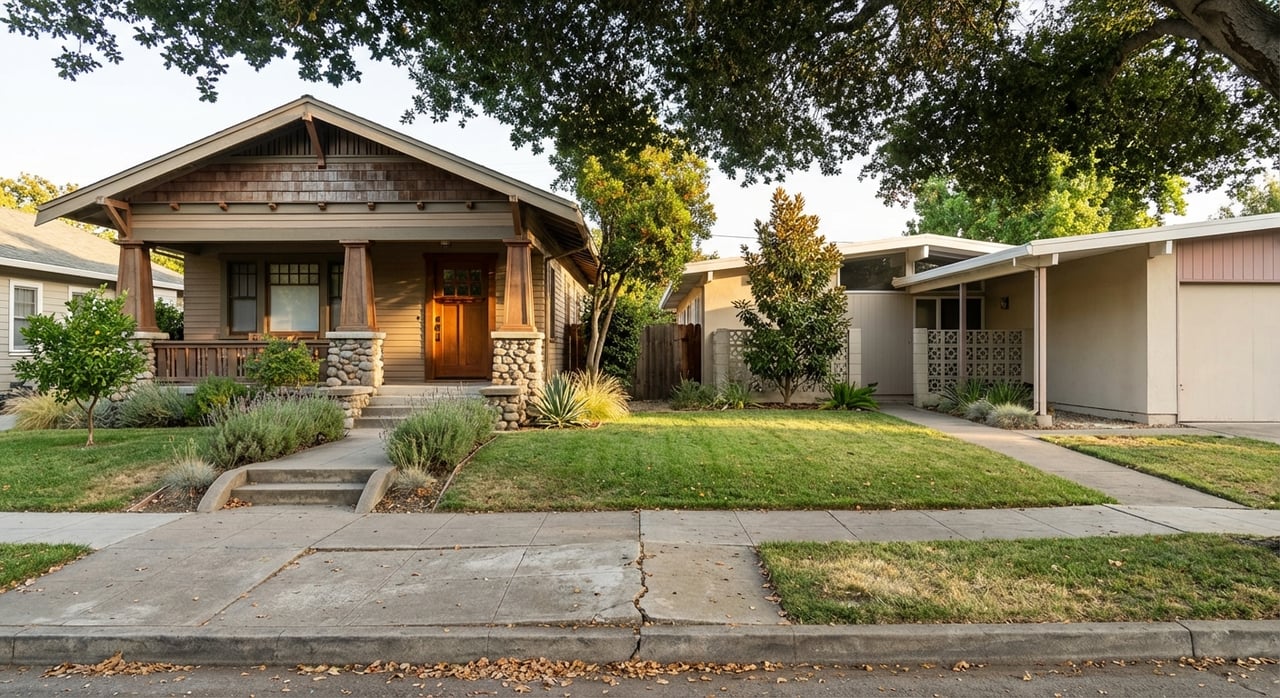
Torn between the timeless charm of a Pasadena Craftsman and the clean lines of a mid‑century modern? You are not alone. Style shapes how you live day to day, and it also shapes your home’s market performance. In Pasadena, architectural character, neighborhood rules, and renovation potential all influence value.
In this guide, you will learn how each style typically performs, where these homes cluster, what upgrades deliver returns, and how preservation and permitting can affect your timeline. Let’s dive in.
Pasadena styles at a glance
What defines a Craftsman
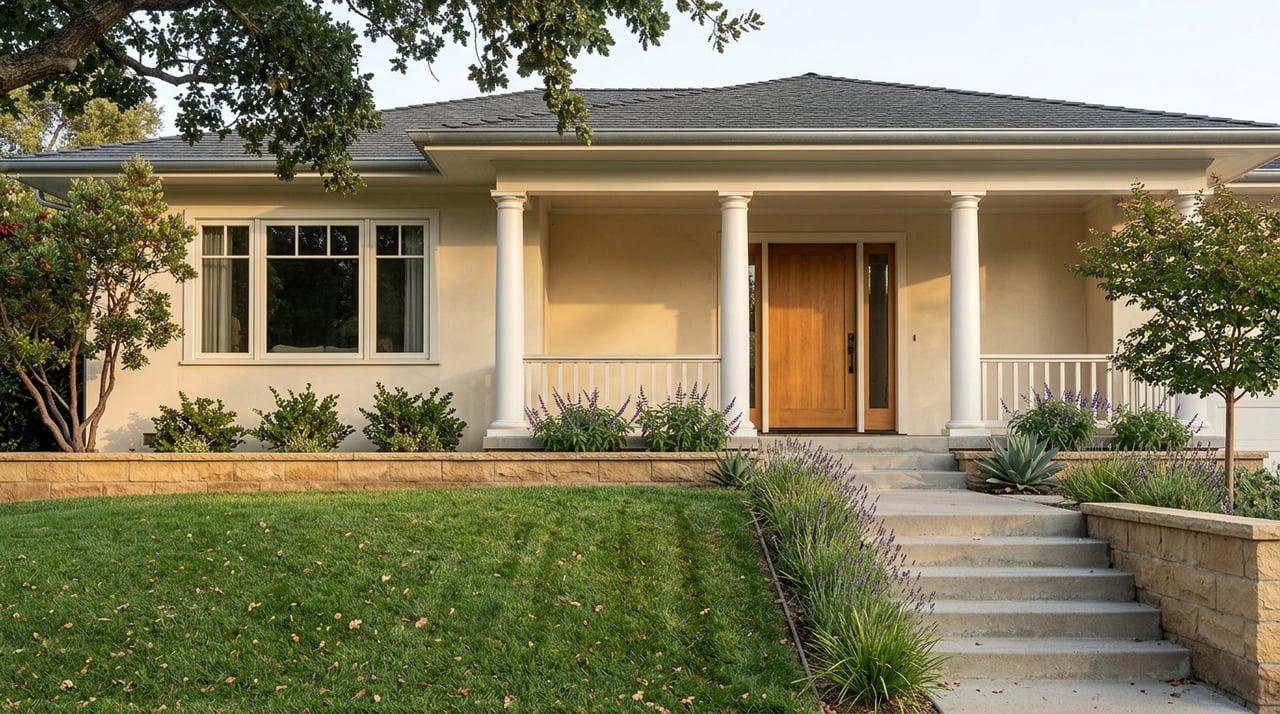
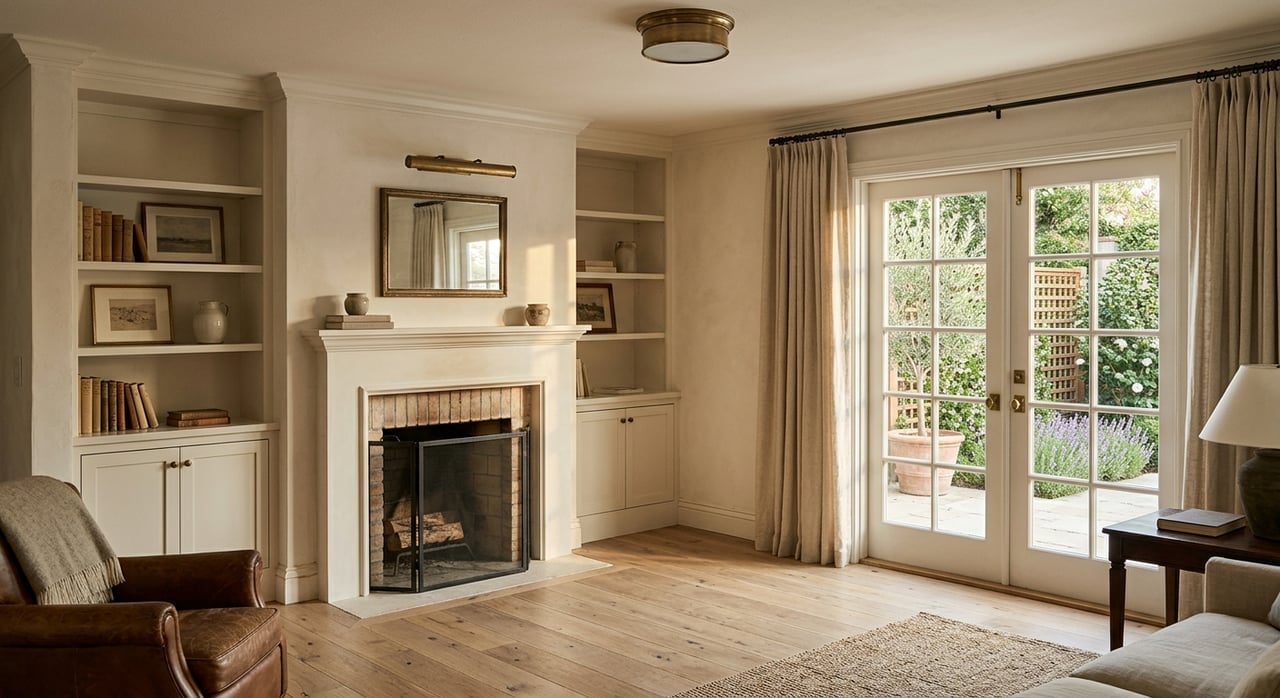
Pasadena’s Craftsman bungalows largely date from 1905 to 1930, with nationally significant examples and districts throughout the city. Hallmarks include low‑pitched gabled roofs, wide eaves, tapered porch piers, and rich wood and stone details. Interiors often feature built‑ins, inglenooks, and a prominent hearth that anchor daily life. Pasadena’s heritage is well documented through sources highlighting the city’s role in the Arts and Crafts movement and its landmark homes and districts. You can explore that context in overviews of local architecture and the city’s preservation map for a sense of the fabric you see on today’s blocks. For background on Pasadena’s Arts and Crafts legacy, see this city architecture profile and a summary of defining Craftsman features in Pasadena’s housing stock (Arts & Crafts Homes, LivingPlaces).
Most original Craftsman layouts are single story or one‑and‑a‑half story, commonly 800 to 1,500 square feet with 2 to 3 bedrooms and one bath in the initial plan. Circulation is compact, and original cabinetry and millwork are part of the appeal buyers pay for.
What defines a mid‑century
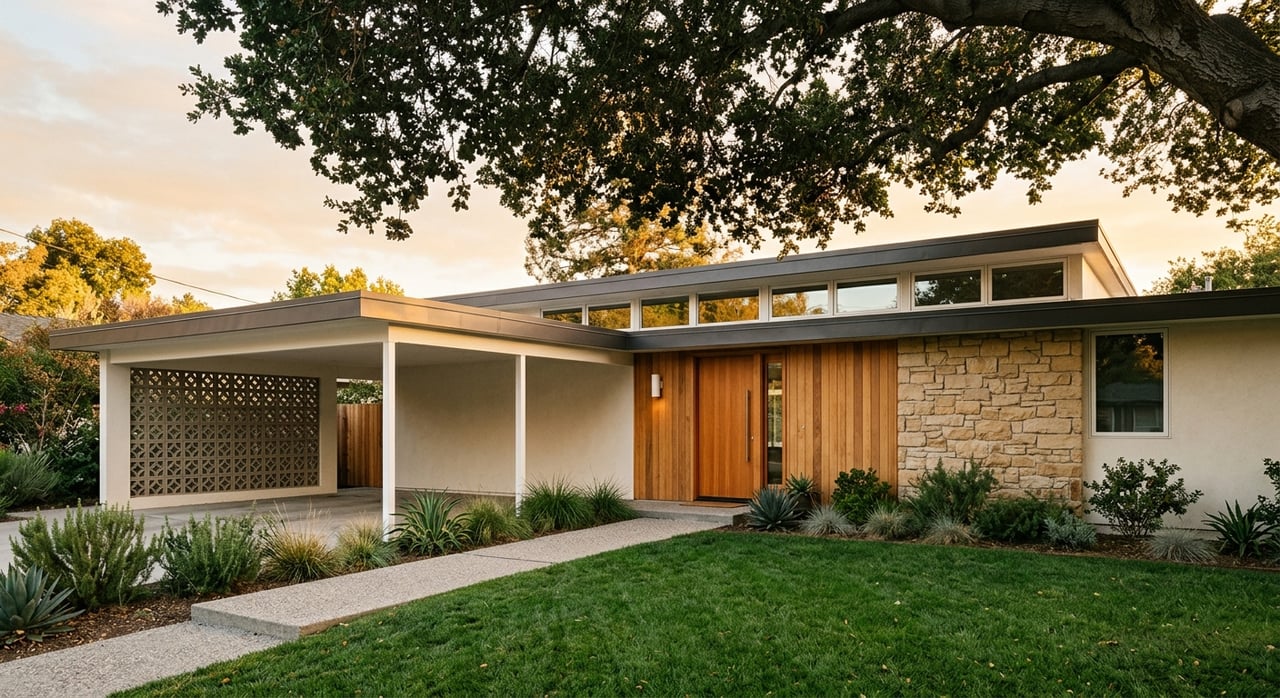
Pasadena’s mid‑century and post‑war homes span ranch, split‑level, and post‑and‑beam designs. They favor open plans, larger windows, sliding doors, and strong indoor‑outdoor flow. Architect‑designed examples often include post‑and‑beam structure, clerestory or ribbon windows, and signature hearths or stone walls. A concise overview of Southern California modernism offers helpful context for what to look for in these homes (LA Modernism overview).
Typical sizes range from about 1,400 to over 2,800 square feet, with 3 to 4 bedrooms and 2 or more baths. Many include attached garages or carports and larger footprints that make future expansions or ADUs more straightforward.
Where these homes cluster
Craftsman and early 20th‑century pockets
You will find strong concentrations of Craftsman and related early styles in Bungalow Heaven, Garfield Heights, Historic Highlands, Prospect and Prospect Park, Normandie Heights, and several smaller districts. Many of these areas are locally designated historic or landmark districts, with design guidance and active preservation groups. For precise boundaries, review the city’s official Historic and Landmark Districts map and learn more about Bungalow Heaven’s neighborhood history and events (City of Pasadena district map, Bungalow Heaven).
Mid‑century and post‑war pockets
Mid‑century and post‑war homes appear in hillside and suburban tracts, including Linda Vista, San Rafael Heights and Flats, Hastings Ranch, and Chapman Woods. Architect‑designed moderns and ranches are common in select foothill neighborhoods and Arroyo‑adjacent areas. These submarkets often offer larger lots and floor plates than the core historic districts, which can shape your renovation and expansion options.
How style shapes resale value
Character premium vs usable area
In Pasadena’s landmark pockets, authentic Craftsman character often commands a higher price per square foot because supply is limited and demand is steady for well‑preserved homes. Many bungalows are smaller, which can cap the total sale price unless additional legal square footage is added through a sensitive addition or permitted ADU. Mid‑century homes typically start with more livable square footage and more open flow, which can lift the absolute sale price even if the price per square foot is comparable.
Pedigree and neighborhood matter
Architect‑designed homes of any era carry outsized premiums. Greene & Greene era properties belong in a distinct category, and significant mid‑century works do as well. Within each style, condition, lot size, and exact location usually outweigh broad city averages when you set pricing strategy.
Renovation and expansion potential
Mid‑century ranch layouts are often easier to reconfigure for open kitchens, expanded primary suites, and larger indoor‑outdoor zones. In non‑historic areas, these projects can be administratively simpler. In historic or landmark districts, exterior work visible from the street typically requires a Certificate of Appropriateness. That review protects neighborhood character and helps preserve value, but it can add time and cost to your plan. You can review the city’s preservation incentives and processes to understand where the tradeoffs lie (City historic incentives).
Market baselines to frame expectations
Public data sources regularly show Pasadena’s median values in the low to mid one‑million‑dollar range, with wide variation by ZIP and neighborhood. In recent years, architecturally significant mid‑century homes in premium hillside pockets have approached or exceeded four‑digit price per square foot, while well‑restored Craftsman homes in historic districts have also reached high per‑square‑foot figures. Use same‑block or same‑district comps for the best read on your property’s likely position.
Renovations that add value
High‑ROI, low‑risk improvements
For both styles, small, visible upgrades often punch above their cost. Industry ROI summaries consistently highlight:
- Curb and entry refreshes, including a new garage door, front door, paint, and simple landscape cleanups that make a strong first impression (ROI summary).
- Minor kitchen and midrange bath updates, such as cabinet refacing, new counters, fixtures, and appliances aligned with neighborhood standards (ROI summary).
- System upgrades, like electrical panels, HVAC, and water heaters, which reduce inspection risk and reassure buyers even if they are not front‑and‑center features (ROI summary).
Craftsman‑specific opportunities
Focus on preservation and sympathetic upgrades. Restore original built‑ins, hardwood floors, and wood windows where practical. When you modernize, choose period‑sensitive finishes in kitchens and baths so updates feel integrated with the home’s character. If you consider a rear kitchen addition or an attic conversion, consult Design and Historic Preservation staff early so plans fit local standards and review criteria. A primer on Pasadena’s Craftsman features can guide your selections (Craftsman features overview).
Mid‑century‑specific opportunities
Lean into openness and indoor‑outdoor living. Reopen sightlines, preserve post‑and‑beam details, and retain signature elements like clerestory windows where feasible. Kitchen updates that improve flow, and outdoor room enhancements such as patios, decks, and a refreshed pool area, tend to resonate with mid‑century buyers. Authentic period details can be a premium in design‑minded submarkets, as highlighted in overviews of local modernism trends (LA Modernism overview).
ADUs for income and flexibility
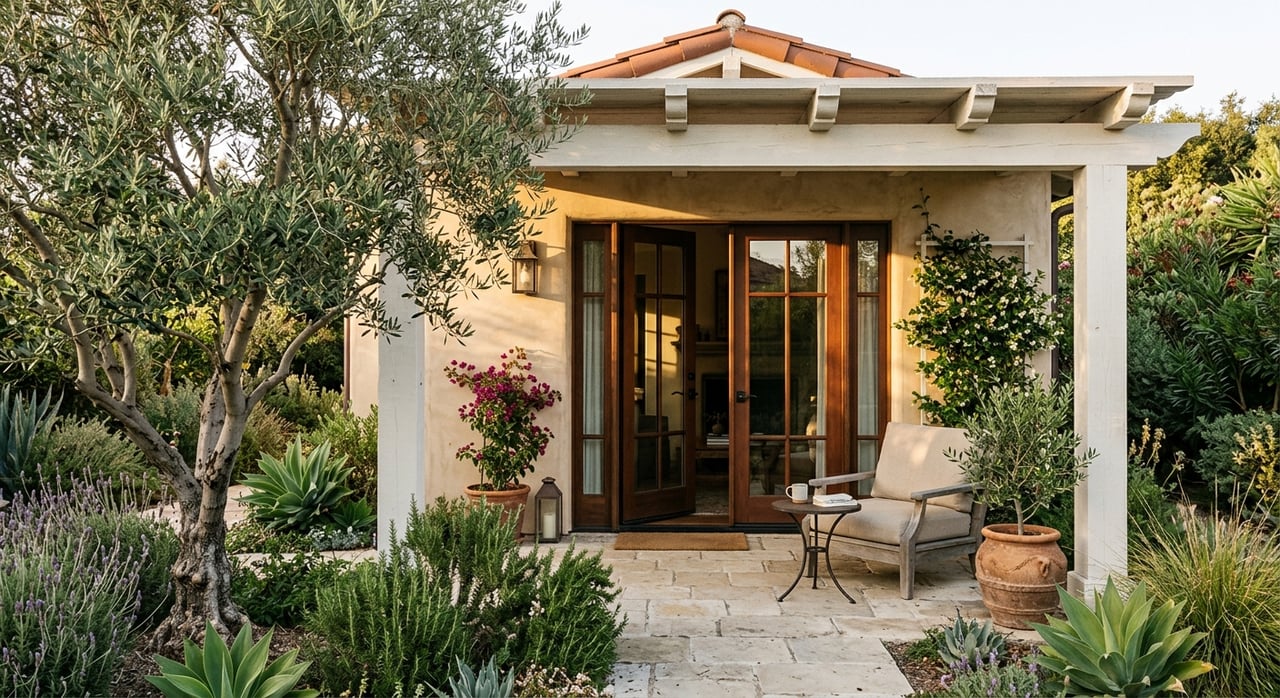
Pasadena actively supports Accessory Dwelling Units with pre‑approved standard plans, online processing, and some fee reductions. ADUs are allowed in historic districts with visibility limits and design review. A well‑executed ADU can increase utility, potential rental income, and resale value. Explore the city’s ADU resource hub to understand eligibility, parking standards, and plan options (Pasadena ADU hub).
Seismic retrofits that signal care
Many older Pasadena homes sit on raised foundations that benefit from basic brace‑and‑bolt retrofits. Typical single‑family retrofits for bolting and cripple‑wall bracing can be relatively modest in cost compared to the peace of mind they provide. The California Residential Mitigation Program offers background, FAQs, and information on assistance programs that may apply (CRMP FAQs). In LA‑area markets, documented seismic work is both a safety upgrade and a confidence signal to buyers.
Permits, timelines, and historic review
If your home is in a historic or landmark district, exterior work visible from the street generally requires a Certificate of Appropriateness. Staff approvals can be quicker for smaller changes, while Commission hearings add time. Plan on several weeks to a few months, depending on scope. The city also outlines incentives that may benefit designated properties, including the State Historical Building Code’s flexibility and potential Mills Act contracts. Review the city’s preservation incentives and your district’s map before you draw up plans (Historic incentives, Districts map).
Seller strategies by style
If you own a Craftsman
- Highlight original details in photos and copy: built‑ins, woodwork, grouped windows, and the hearth.
- Stage to show how compact rooms function well today, with clear furniture layouts and good lighting.
- Prioritize interior updates that do not trigger exterior review when timelines are tight.
- If you plan exterior changes, consult the city’s Design and Historic Preservation staff early and build the review window into your schedule.
If you own a mid‑century
- Emphasize open‑plan flow and indoor‑outdoor connections in staging and marketing.
- Refresh the kitchen for function and sightlines, and define outdoor rooms with lighting, seating, and landscape edges.
- If the home has architectural pedigree, gather documentation, original plans, and photos. Preserve signature materials and details during updates.
Buyer tips for Pasadena
- Verify whether a property is in a historic or landmark district before you assume you can make certain exterior changes. The city map is the starting point (Districts map).
- Budget for system updates on older homes, even if finishes look fresh.
- If rental income or multigenerational living matters, evaluate ADU potential using the city’s pre‑approved plan options (ADU hub).
- For older raised‑foundation homes, request a seismic evaluation and factor retrofit costs into your offer strategy (CRMP FAQs).
Which style is right for you?
Choose a Craftsman if you value handcrafted detail, mature historic streetscapes, and the satisfaction of stewardship. Expect higher per‑square‑foot pricing in prized districts, with total price shaped by your home’s size and the feasibility of tasteful expansions.
Choose a mid‑century if you want open living, larger lots, and easier pathways to expand or reconfigure. Expect strong interest for well‑kept homes with authentic details and great indoor‑outdoor flow.
Either way, the winning strategy is the same: align improvements with neighborhood expectations, protect original character, and use precise comps by block and district to set pricing.
When you are ready to evaluate your home or shortlist neighborhoods, we are here to help with thoughtful preparation, design‑savvy guidance, and a clear plan from pre‑listing through closing. Connect with the Haynes Group for a consultation and a tailored valuation.
FAQs
What is a Pasadena Craftsman and why do buyers pay a premium?
- A Pasadena Craftsman is an early 1900s bungalow defined by low‑pitched roofs, deep eaves, tapered porch piers, and rich wood details; authenticity and scarcity in landmark districts often raise price per square foot.
How do mid‑century homes in Pasadena differ from ranch homes elsewhere?
- Local mid‑century homes often feature post‑and‑beam construction, larger glass areas, and stronger indoor‑outdoor flow than many generic ranches, which can lift demand in design‑minded submarkets.
How do historic districts affect remodeling and timing in Pasadena?
- Exterior work visible from the street usually needs a Certificate of Appropriateness, adding review time; staff approvals can be faster, and incentives like the State Historical Building Code may help (Historic incentives).
Do ADUs add value to Pasadena homes?
- A well‑designed ADU can increase utility, rental income potential, and resale appeal, and Pasadena’s pre‑approved plans and online processing can shorten timelines (ADU hub).
Which style typically sells for more in Pasadena, Craftsman or mid‑century?
- Both can command premiums; Craftsman homes often lead in price per square foot in landmark pockets, while mid‑century homes can achieve higher total prices due to larger size and flexible layouts.
What pre‑sale upgrades deliver the best ROI in Pasadena?
- Curb appeal improvements, minor kitchen and bath refreshes, and key system updates consistently show strong returns compared with cost in industry benchmarks (ROI summary).
Do I need a seismic retrofit when buying an older Pasadena home?
- Many raised‑foundation homes benefit from basic brace‑and‑bolt work that improves safety and can reassure buyers; consult a qualified professional and review assistance programs (CRMP FAQs).