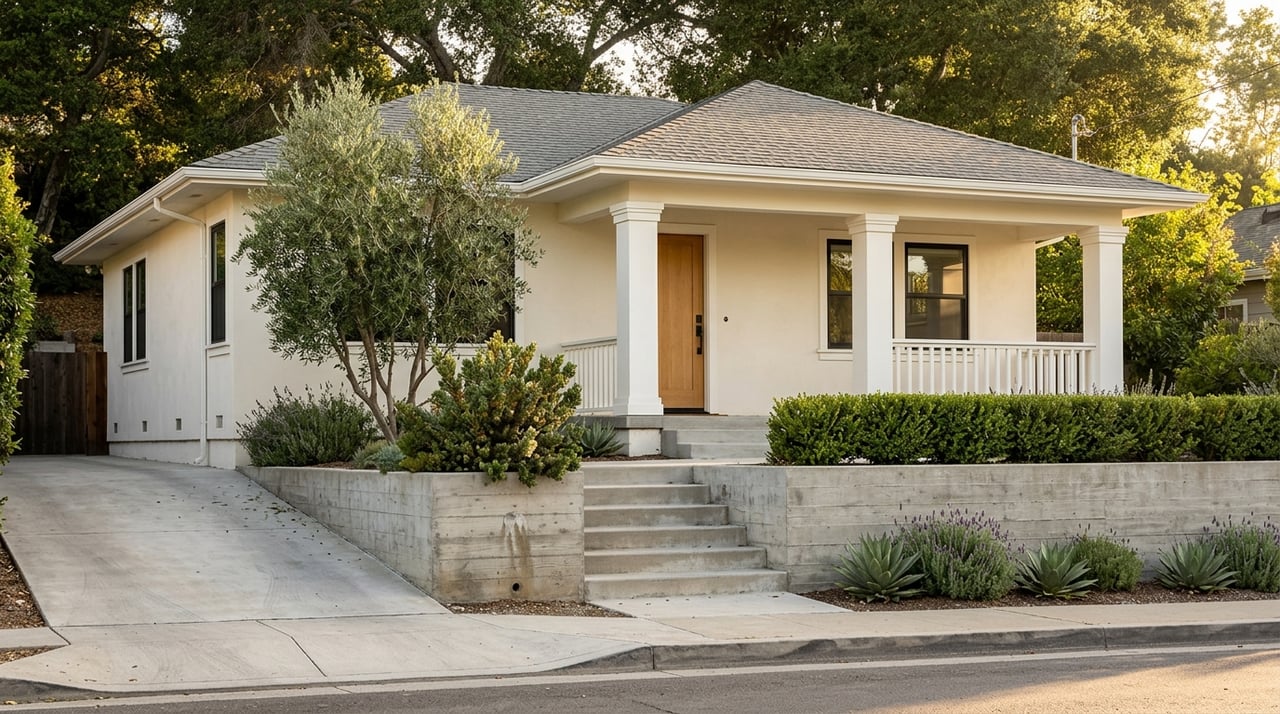
Buying into Echo Park’s hills can feel exciting and a little complicated at the same time. A home may offer character, privacy, and sweeping outlooks, but it can also come with steep access, older construction, and more rules than a flat-lot property. If you are considering hillside living in Echo Park, it helps to know what to look for before you fall in love with the view. Let’s dive in.
Echo Park Hillsides Have a Distinct History
Echo Park is one of Los Angeles’ oldest neighborhoods, with roots as an early residential suburb and former streetcar-oriented district. The City’s community plan notes that horsecar service once ran up Echo Park Avenue to reach hillside neighborhoods, and a historic stair network still connects main streets to homes on the slopes.
That history matters because it shaped the housing you see today. Much of the area covered by Echo Park’s design-overlay materials was developed by the 1930s, with more homes added in the 1940s and 1950s, plus some early Modern examples.
For you as a buyer, that often means smaller lots, older homes, and a wider mix of architecture than you might find in newer neighborhoods. You may see Craftsman and bungalow homes, Colonial Revival, Spanish Colonial Revival, and later Modern styles, with nearby Angelino Heights known for its preserved Victorian-era homes.
Character and Condition Often Vary
One of the biggest Echo Park hillside tradeoffs is vintage charm versus updated function. Some homes still highlight original details and historic character, while others have been heavily renovated for more open layouts, larger openings, and stronger indoor-outdoor flow.
Neither approach is automatically better. What matters is how the home’s current condition, systems, and layout fit your goals.
If you love design and provenance, it is worth looking closely at what is original, what has been changed, and how thoughtfully updates were done. In a neighborhood with a long building history, renovation quality can vary widely from one property to the next.
Access Can Matter as Much as the House
In Echo Park, daily convenience is not just about square footage or finishes. It is also about how you get to and from the home.
The neighborhood was built with walkability and transit in mind, not just private garages. Echo Park’s design guidance notes that rear carriage houses, alley-access garages, and driveways were common, while built-in garages were less common.
That means you should look beyond curb appeal and test the property in real-life terms. Pay close attention to:
- Driveway slope
- Turning radius for your car
- Street-to-entry stairs
- Guest parking options
- Delivery access
- Trash pickup logistics
The historic stair network is part of Echo Park’s character and still serves as pedestrian access in some areas. It also means some homes take more effort to reach than a typical flat-lot home.
Parking Is a Block-by-Block Question
Do not assume street parking will work the same everywhere in Echo Park. LADOT says Los Angeles uses Preferential Parking Districts to reduce nonresident parking, and curb use can also be controlled by colored curb zones and meters.
For that reason, parking should be verified at the property level. If curbside parking matters to your household, check posted signs, permit requirements, and any restrictions on the block before you make assumptions about daily use.
This is especially important for hillside homes where on-site parking may be limited or access may be tight. A beautiful home can feel very different once you factor in late-night parking, visitors, or multiple drivers.
Views Come With Slope Considerations
Views are often a major reason buyers are drawn to Echo Park’s hillsides. Some parcels sit in mapped hillside viewshed protection areas, including areas fronting the lake, and the Echo Park CDO map identifies parcels with slope of 15% or greater.
That is your cue to look carefully at how the home sits on the lot. The relationship between the house, slope, retaining walls, terraces, and neighboring structures can affect both day-to-day use and long-term plans.
In practical terms, many hillside buyers are balancing views versus usable outdoor space. A property may offer outlooks, privacy, and terraces, but less flat yard area than a home on a more level parcel.
Hillside Rules Can Affect Future Plans
If you are thinking about adding square footage, changing massing, or making major exterior updates later, verify the property’s regulatory context early. Some Echo Park properties are subject to the Echo Park CDO or hillside-view protection rules, which can affect height, massing, and additions.
Los Angeles’ Baseline Hillside Ordinance is the main framework for hillside development. The City’s guide says it addresses height, yards, fire protections, lot coverage, parking, street access, sewer connections, and grading.
This is one reason hillside homes require a little more planning. A property that works well for you today may still deserve extra review if you hope to expand or reconfigure it in the future.
Due Diligence Should Go Deeper
On a hillside purchase, due diligence is not a box to check at the end. It is central to the decision.
LADBS says grading permits are required for earthwork in the hillside grading area, including removal and recompaction or backfill. The City’s hillside guide also defines remedial grading to include work needed for access driveways and slope stability.
That makes it important to review the property’s permit history and ask focused questions about drainage, retaining walls, prior grading, and any visible signs of slope movement or deferred maintenance. These issues are not side notes on a hillside property. They are part of the home’s core risk and upkeep picture.
The California Geological Survey also explains that landslide maps identify susceptibility or potential slope failure. For some parcels, that extra context can help you better understand the site before moving forward.
Insurance Deserves Early Attention
Insurance is another item you should not leave until the last minute. CAL FIRE’s maps measure hazard, not insurance rates, and the California Department of Insurance says insurers use wildfire catastrophe models when deciding what to write or renew.
In other words, parcel-specific exposure and insurability are not always obvious from the listing or even from a quick visit. If insurance availability or pricing could affect your comfort level, it is wise to start that conversation before removing contingencies.
This does not mean every Echo Park hillside home carries the same level of concern. It does mean you should confirm the property-specific picture rather than rely on general assumptions.
A Smart Echo Park Buying Checklist
If you are serious about an Echo Park hillside home, keep your evaluation grounded in how the property will actually live day to day. A focused review can help you compare charm and setting with practicality.
Here are key items to confirm:
- Whether the lot falls within the Echo Park CDO or hillside viewshed protection area
- Whether slope conditions may affect access, outdoor use, or future work
- Permit history through LADBS
- Zoning and parcel details through ZIMAS
- Street parking rules, permit requirements, and curb restrictions
- Condition of retaining walls, drainage paths, and stairs
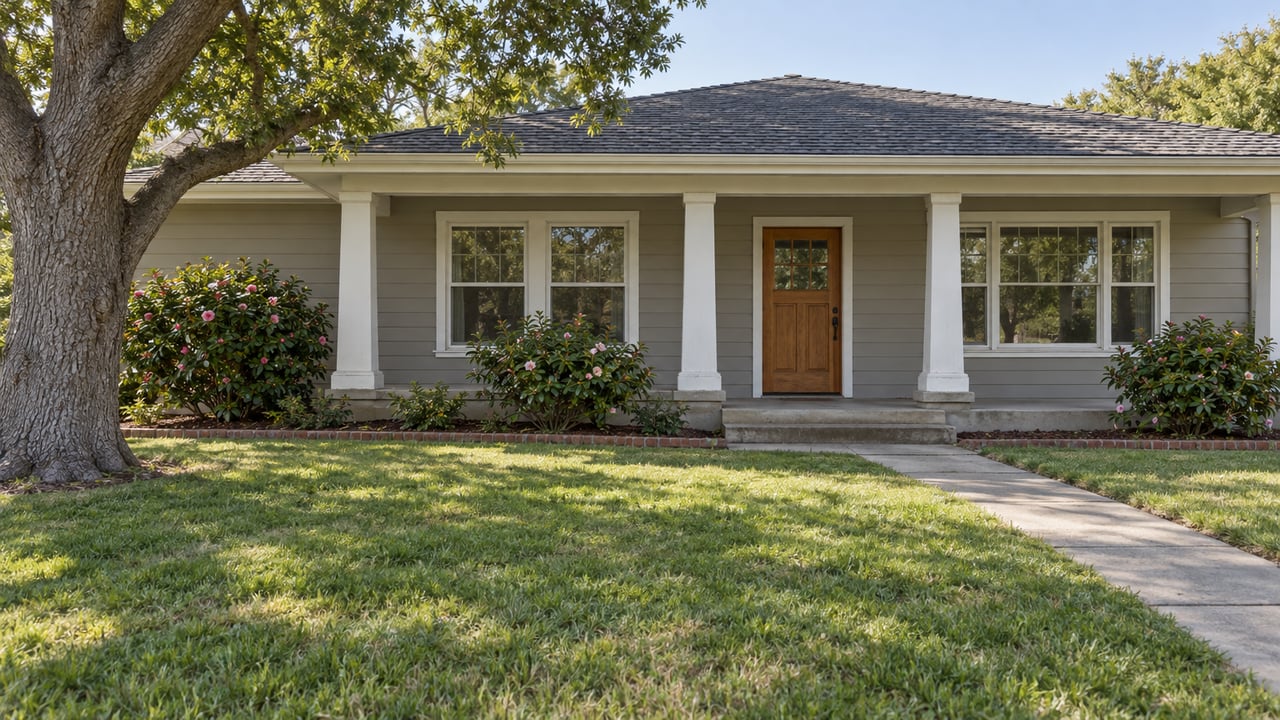
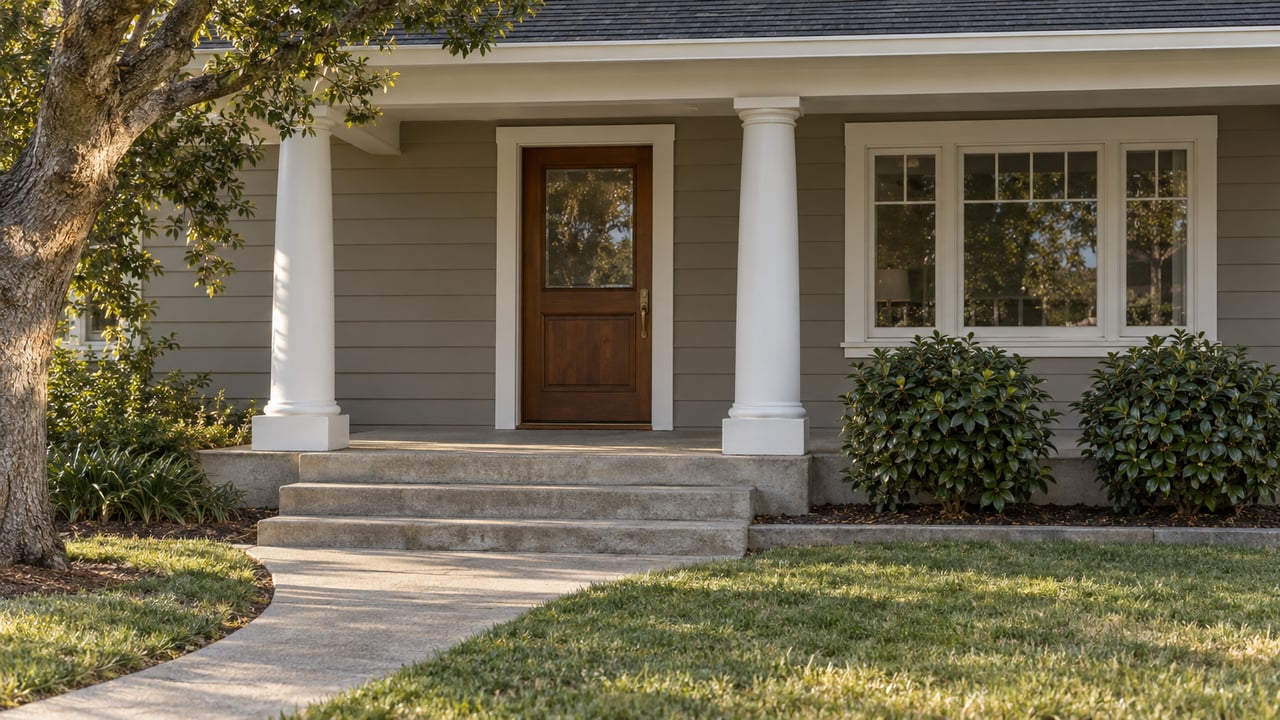
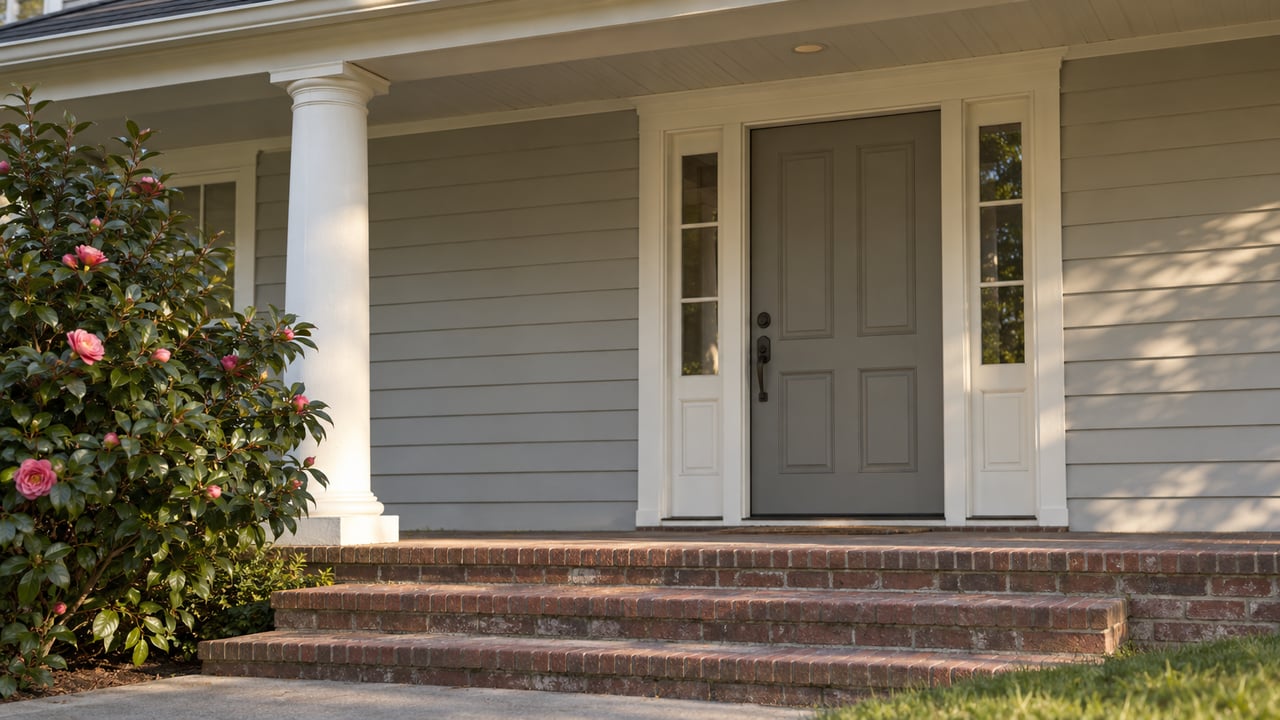
- Entry sequence from street to front door
- Insurance considerations tied to parcel-specific hazard exposure
At Haynes Group, we appreciate homes with character, design value, and strong siting. Echo Park’s hillsides can offer all three, but the best purchase decisions usually come from balancing emotion with careful property review.
If you are considering an Echo Park hillside home and want a clear, thoughtful second opinion on the tradeoffs, connect with Haynes Group for a consultation.
FAQs
What should buyers check first with an Echo Park hillside home?
- Start with access, parking, slope, permit history, and any applicable design or hillside overlays, then evaluate condition and layout.
How does parking work for Echo Park hillside properties?
- Parking can vary by block, and buyers should confirm posted restrictions, permit rules, meters, colored curbs, and how much on-site parking the property actually provides.
Are Echo Park hillside homes subject to special building rules?
- Some are, including properties affected by the Echo Park CDO, hillside viewshed protections, or the City’s Baseline Hillside Ordinance.
Why is permit history important for an Echo Park hillside purchase?
- Permit history can help you understand past grading, structural work, access improvements, and other changes that matter more on sloped lots.
Do Echo Park hillside homes always have large yards?
- Not necessarily. Many hillside properties trade flatter yard space for views, terraces, privacy, or elevated siting.
How can buyers research an Echo Park hillside parcel before making an offer?
- Useful tools mentioned in the City and state resources include ZIMAS, LADBS permit history, Echo Park CDO materials, CAL FIRE hazard maps, and California Geological Survey landslide resources.