Is there really a “best month” to buy or sell in Altadena? If you have been watching open houses near the foothills or tracking a few listings online, you have probably noticed that activity rises and falls during the year. You want to time your move wisely without guessing or waiting too long. In this guide, you will learn how Altadena’s market typically flows through the seasons, what to watch in the data, and practical strategies for buyers and sellers. Let’s dive in.
Altadena’s seasonal rhythm at a glance
Altadena generally follows a classic Southern California pattern. Spring brings the most new listings and the largest pool of buyers. Sales often move faster, and sellers tend to achieve stronger sale-to-list results.
Summer stays active, though some spring listings may linger. After Labor Day, the market cools into fall, which can open more room for negotiation. In winter, both listings and buyer traffic usually reach their lows, with longer days on market and fewer options overall.
Why seasonality looks the way it does
Spring is the peak because more sellers choose to list and more buyers aim for summer move-ins. Summer remains busy with families finishing moves before the new school year. Fall and winter see fewer listings and a smaller buyer pool, which stretches timelines yet can improve negotiating leverage for certain buyers.
In Altadena, mild winters mean the seasonal swings are present but sometimes less dramatic than in colder regions. Local factors like the foothills setting, unique property types, and broader Los Angeles employment cycles also play a role.
Key indicators to watch
Inventory (active listings)
Inventory usually rises into spring and early summer, then trends lower through late fall and winter. More inventory gives buyers more choice, slows the pace slightly, and can reduce price pressure. Low inventory tends to compress timelines and support stronger prices.
In a smaller market like Altadena, month-to-month counts can look noisy. A handful of new listings in the same pocket can shift the totals, so it helps to view rolling averages rather than single-month snapshots.
Days on market (DOM)
DOM is often lowest in spring and early summer and longest in late fall and winter. Short DOM signals strong demand and tight competition. Longer DOM hints at more negotiating room or the need to right-size pricing and presentation.
Altadena’s hillside and architecturally distinct homes can take longer to place year-round. When you compare DOM, look at the median and consider property type, condition, and setting.
Buyer activity (showings, offers, pendings)
Showings and offers typically peak in spring, with multiple-offer scenarios most common. Activity tapers through fall and winter. This dynamic influences how aggressive to be on price, contingencies, and timelines.
Altadena attracts local move-up buyers, LA-area relocations, and buyers who value larger lots or mountain-adjacent settings. These groups may follow slightly different timelines, which can soften or amplify the usual seasonal pattern.
Price dynamics and list-to-sale ratios
Median prices and sale-to-list ratios often crest in late spring or early summer. When demand is strongest, sellers tend to capture a higher percentage of their list price. As activity cools into fall and winter, buyers may find more flexibility, even if choices are fewer.
If you are pricing a one-of-a-kind home, remember that unique properties can behave differently from the monthly averages. Longer marketing timelines are common for special listings.
Local factors that shape Altadena’s seasonality
- Climate: Mild winters reduce weather-related slowdowns, but spring still delivers the broadest mix of new listings and motivated buyers.
- School calendar: Many buyers aim to move over summer, which supports spring listing momentum and early summer closings.
- Geography and hazards: Late summer and fall can bring wildfire season and smoke events in the foothills, which may temporarily reduce showings.
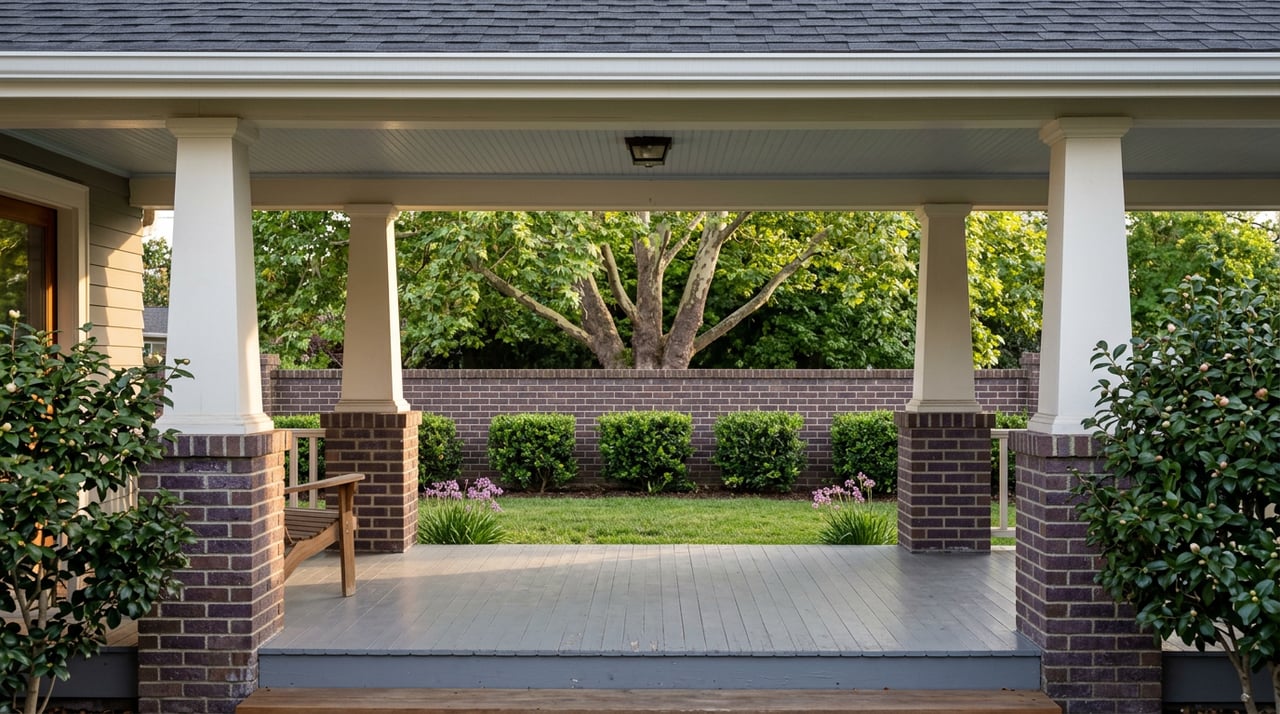
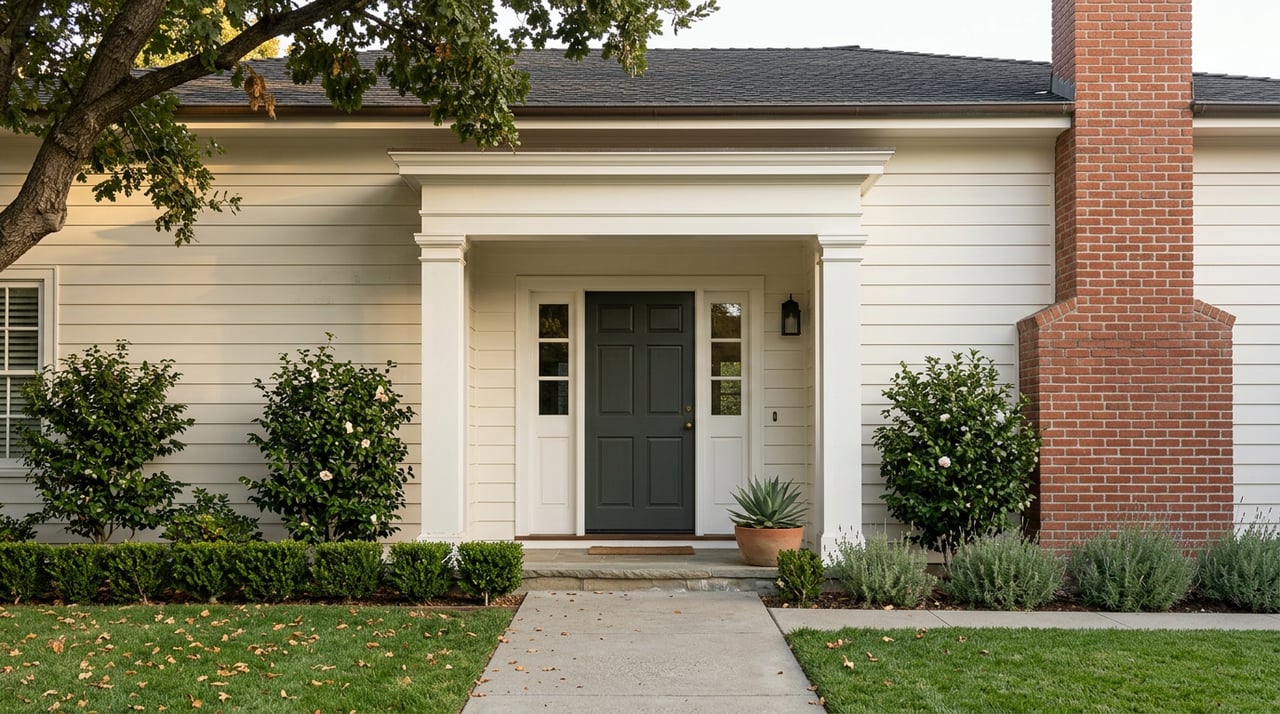
- Housing mix: Craftsman-era homes, hillside properties, and larger lots can lengthen timelines and create more varied outcomes.
- Interest rates and macro events: Rate spikes can slow demand in any season. Rate drops can spark activity even in off-peak months.
Timing strategies for sellers
- Aim for the spring window. Listing between March and May often aligns with peak buyer demand, faster DOM, and stronger sale-to-list performance.
- Prep in late winter. Use January and February for repairs, design updates, staging plans, inspections, and disclosures so you launch cleanly in spring.
- Position thoughtfully in winter. If you must sell during the holidays, price with the season, allow for longer market time, and consider light incentives such as flexible closing rather than deep cuts.
- Plan for unique or hillside homes. Expect longer timelines and targeted outreach to reach the right buyer pool.
- Organize disclosures early. Slope, foundation, and fire-related disclosures are common in foothill neighborhoods. Building a clear file helps buyers move faster when demand picks up.
Timing strategies for buyers
- Expect the most choice in early spring. Inventory usually grows from late winter into spring, but competition also intensifies.
- Target leverage in late fall and winter. With fewer active buyers, you may see more negotiation room and steadier timelines.
- Watch mortgage rates. Rate moves can outweigh seasonality. If rates dip, demand can pop even in an off-peak month.
- Plan your contingencies. In spring, consider tightening timelines only if you are comfortable. In slower months, you may secure more favorable terms.
- For school-year moves. If a summer move-in matters, start your search early in spring to allow time for inspections, appraisals, and closing.
How to read the data like a pro
You can learn a lot by reviewing a few simple monthly metrics over several years. Focus on:
- Active inventory, new listings, pendings, and closed sales.
- Median sale price, median DOM, and sale-to-list ratio.
- Months of inventory and price per square foot.
To see the seasonal pattern, look at 3 to 5 years of monthly data and apply a 12-month moving average. Then compare each month to the overall average to understand where activity usually peaks and dips. Because Altadena is a smaller market, smooth the data to prevent single months from skewing your view.
Putting it all together
- If you want top-tier pricing and faster momentum, aim to launch in spring with thoughtful preparation.
- If you value negotiation leverage and a calmer pace, shop in late fall or winter and be flexible on must-haves.
- If rates move favorably, be ready to act even if the calendar says you are off-peak.
- If your home is unique, focus on targeted marketing and timeline planning rather than chasing a single “perfect” month.
When you are ready to align timing, preparation, and strategy for your Altadena move, we are here to help. For a tailored plan, market snapshot, or a discreet valuation, connect with the Haynes Group.
FAQs
When is the best month to list a home in Altadena?
- Early spring, typically March through May, is when buyer activity and new listings are most active. The exact “best” month varies by year and property type.
Is winter a bad time to buy in Altadena?
- Not necessarily. Winter often brings fewer buyers and more negotiation room, though there are typically fewer homes to choose from.
How much faster do homes sell in spring in Altadena?
- The direction is consistent, with lower DOM in spring, but the magnitude depends on market conditions and the specific property. Review recent local DOM trends for context.
Do Altadena’s hillside or unique homes follow the same pattern?
- Not always. Unique and hillside properties can have longer timelines and may not track the monthly peaks as closely as standard listings.
How do interest rates affect Altadena’s seasonality?
- Rate changes can amplify or mute normal patterns. A rate drop can spark demand in off-peak months, while a spike can cool activity even in spring.