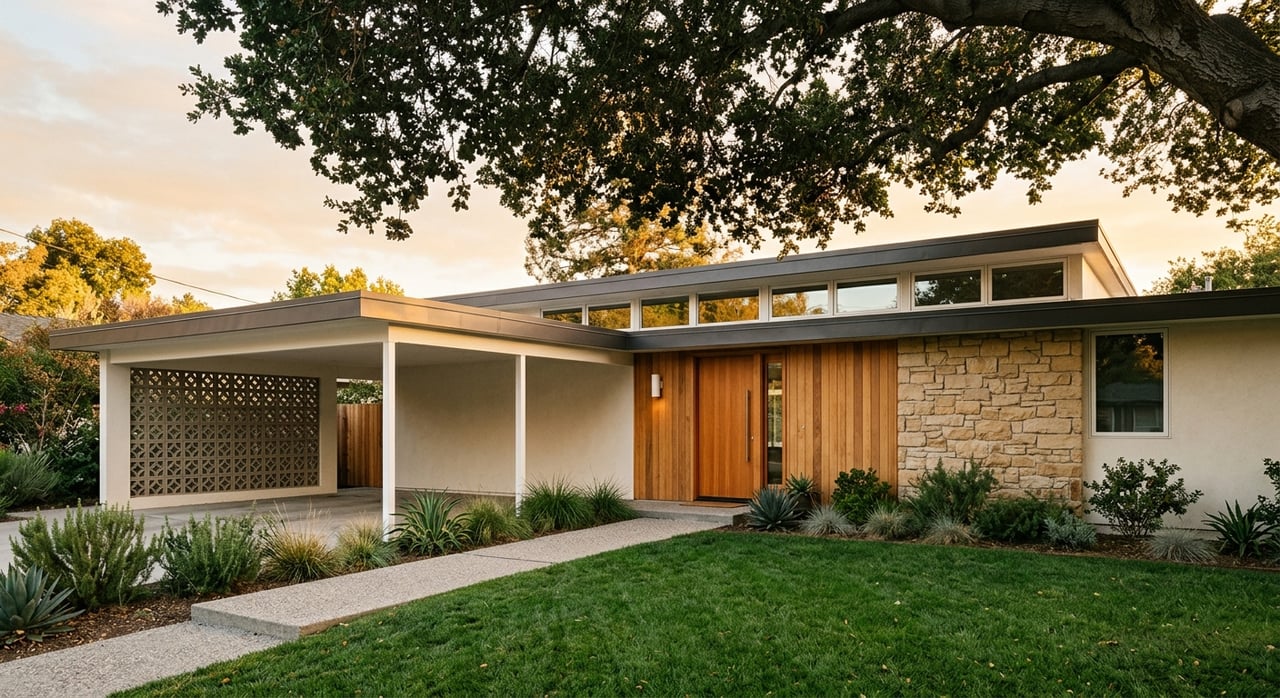
Looking at homes in Altadena, you may notice something right away: many of the most memorable properties sit low to the ground, stretch across generous lots, and feel closely tied to the outdoors. If you are drawn to clean lines, wide eaves, big windows, and that relaxed foothill feel, you are likely responding to Altadena’s strong mix of ranch and mid-century design. Understanding how these styles show up here can help you recognize what makes a home special, what details are worth preserving, and what buyers often value most. Let’s dive in.
Why these styles matter in Altadena
Altadena is an unincorporated Los Angeles County community just north of Pasadena, and its architectural identity is unusually rich. Local preservation work has documented a dense concentration of significant homes and buildings, which helps explain why so many buyers pay close attention to style here.
Postwar growth shaped a large share of the housing stock. According to Altadena Heritage, from 1946 through the 1950s and into the 1960s, much of the remaining land filled in with ranch houses, especially on the west side and in some east-side pockets. In other words, ranch homes are not a small architectural niche in Altadena. They are a major part of the community’s physical story.
What defines a ranch home
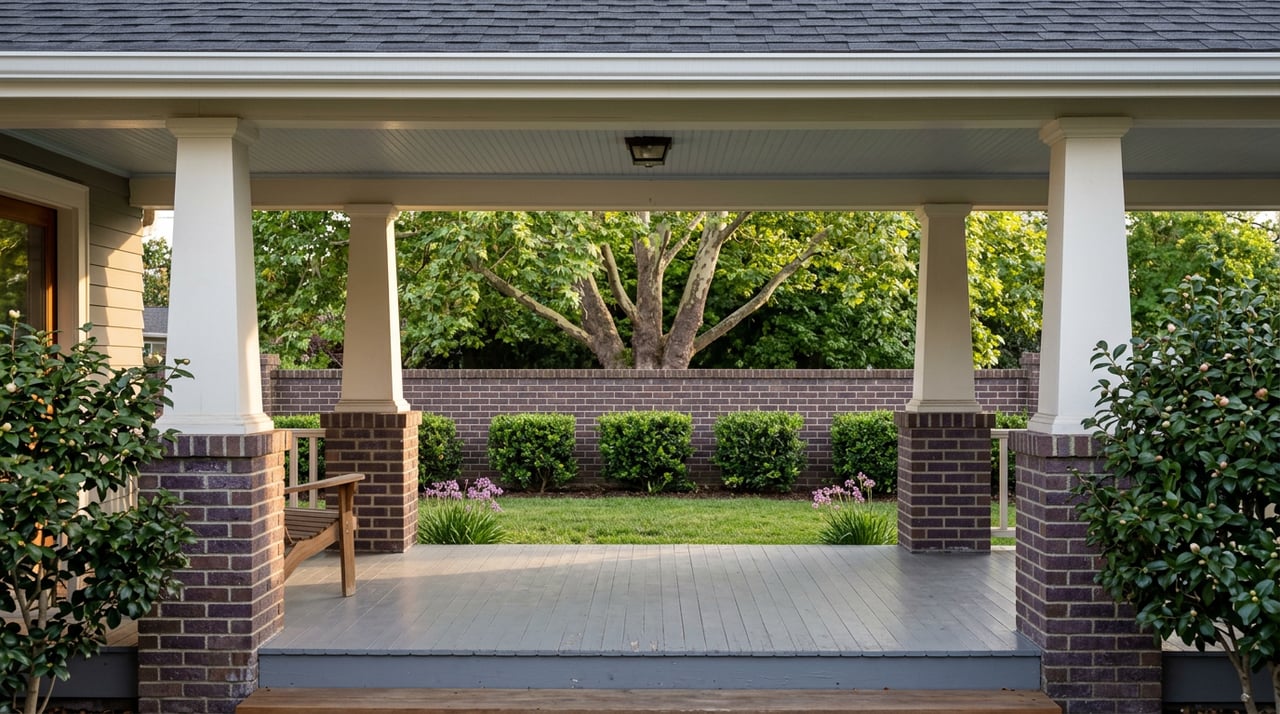
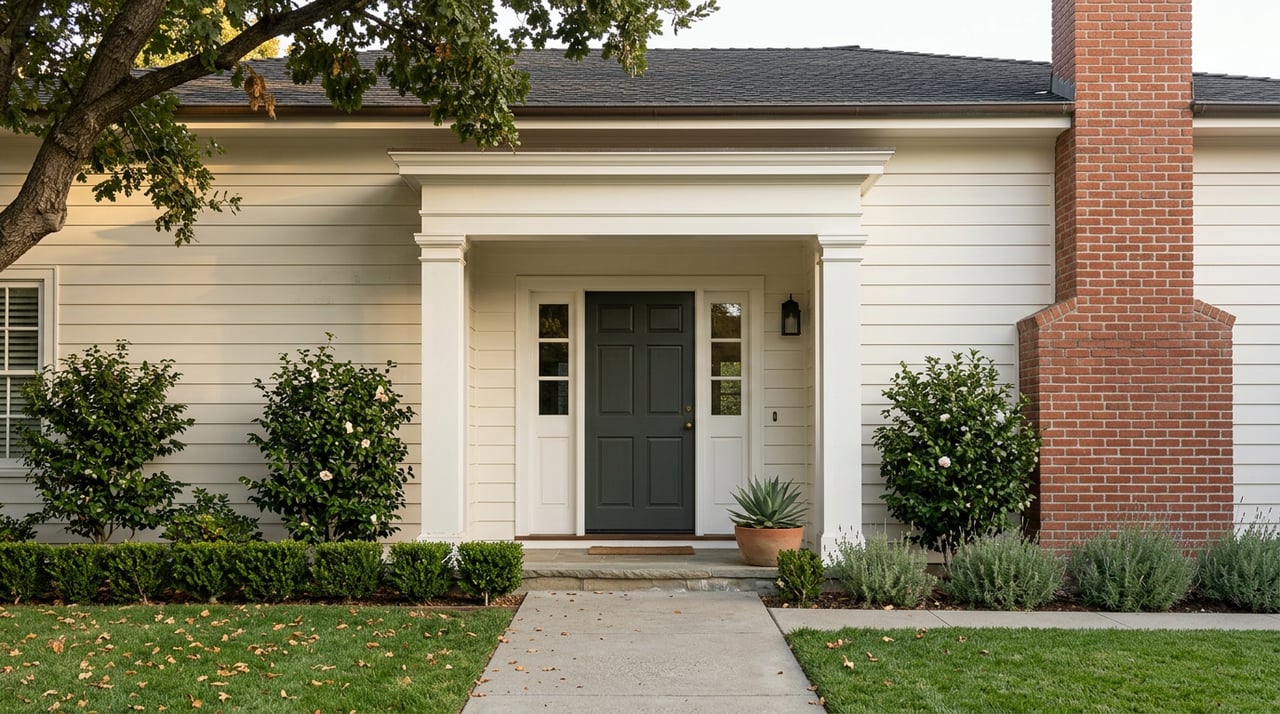
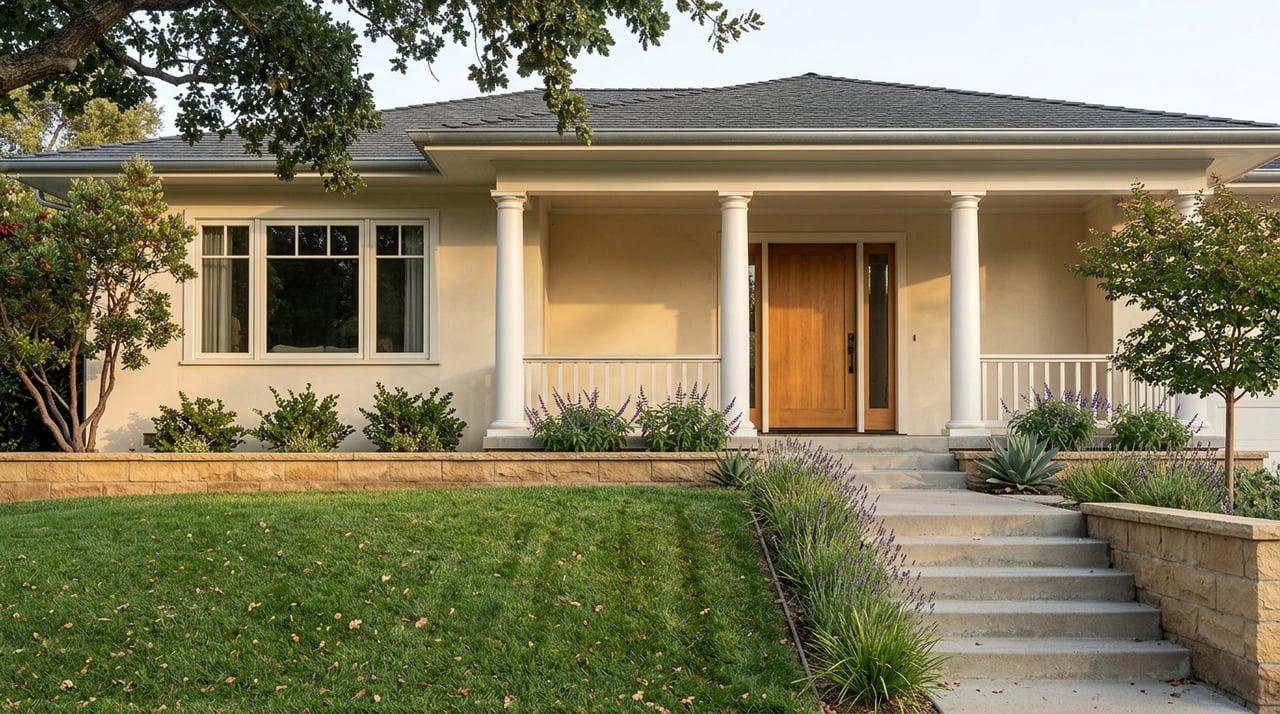
In Southern California, ranch homes are typically one-story, low-slung houses with a horizontal look. You will often see low-pitched gable or hipped roofs, wide eaves, attached garages, and large picture windows.
Materials tend to be practical and warm, including stucco, wood, brick, or stone. Many ranch homes also include patios, courtyards, open porches, and in some cases exposed-beam interiors. Their floor plans often read as rectangular, L-shaped, or U-shaped, with a layout that supports easy indoor-outdoor living.
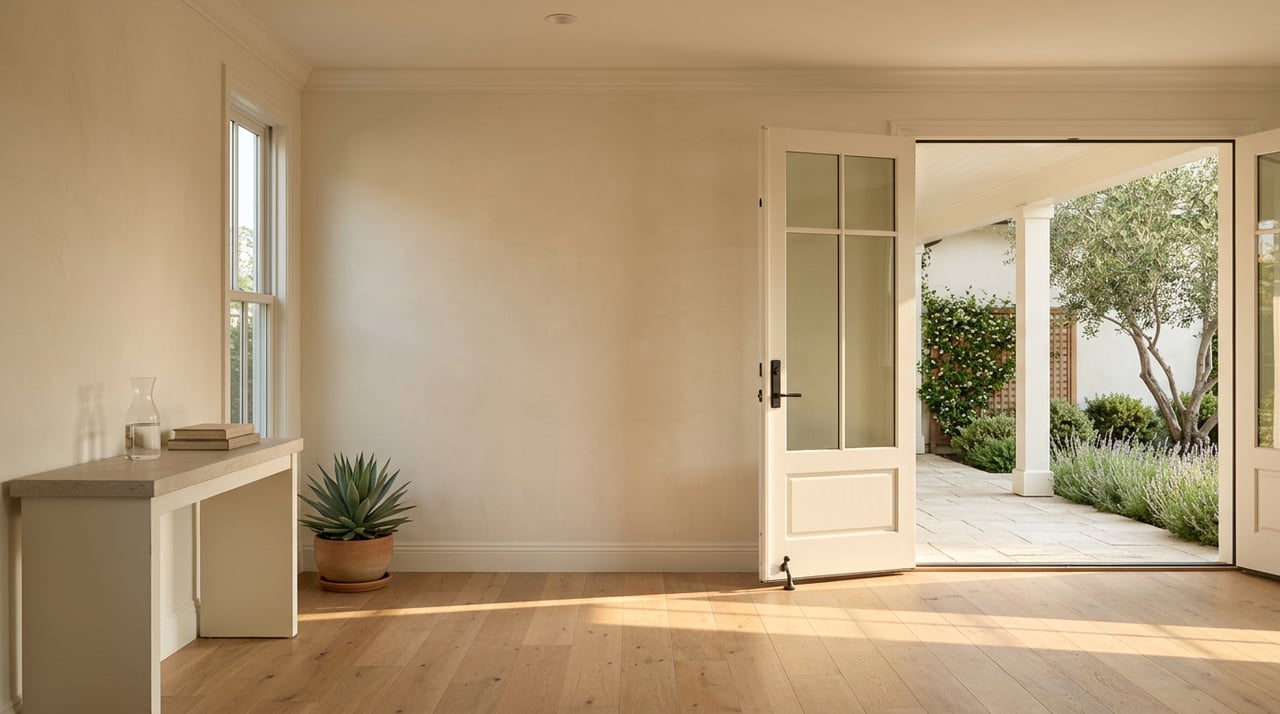
That indoor-outdoor connection is a big reason the style fits Altadena so well. The California ranch house is closely associated with a relaxed way of living shaped by climate, yard space, and everyday use of outdoor areas.
What defines mid-century modern
Mid-century modern homes share some visual overlap with ranch properties, but they usually push further toward a modern expression. These homes often feature long, low forms, larger expanses of glass, and a stronger effort to blend the house into the surrounding site.
You may also notice more structural clarity in a mid-century modern home. Floor-to-ceiling windows, post-and-beam elements, flat or flatter rooflines, and natural colors and textures are common markers. Materials can include concrete, steel, and prefabricated components, alongside wood and glass.
In practical terms, a mid-century modern home in Altadena may feel more open, more transparent, and more intentionally connected to views, gardens, or courtyard space. The style often puts landscape and architecture in direct conversation.
Why the line can blur
One of the most interesting things about Altadena homes is that ranch and mid-century modern are not always easy to separate. Regional historians note that the line between the ranch house and the mid-century modern house can be difficult to define.
That matters if you are buying or selling, because many homes fall somewhere in between. A property may have the horizontal massing of a ranch, but also include modern glazing, a courtyard-centered plan, or a flatter roofline introduced later. In Altadena, the most useful question is often not “Which single style is this?” but rather “How well does this home express its original design ideas?”
Three common style readings
When you walk through Altadena’s postwar neighborhoods, it can help to think in broad categories:
- Traditional California Ranch: Low-pitched roof, wide eaves, picture windows, attached garage, and a practical one-story layout centered on casual living.
- Contemporary Ranch: Still ranch at heart, but more stripped down in ornament, sometimes with cleaner lines and a more open relationship to the yard.
- Mid-century hybrid: A house that blends ranch-like horizontality with modern features such as larger glass openings, post-and-beam elements, courtyard planning, or flatter roof forms.
These categories are not formal labels, but they are useful for reading the housing stock in a way that fits Altadena’s architectural mix.
Altadena examples that show the range
Altadena has notable postwar examples that help illustrate this spectrum. The Bass House, also known as Case Study House #20B on North Santa Rosa Avenue, was completed in 1958 by Buff, Straub & Hensman. It is described as a wood post-and-beam house on a concrete slab with prefabricated plywood barrel vaults, flat stressed-skin panels, and box beams.
That is a strong example of a more clearly modern house. Its structure and materials express mid-century experimentation in a way that goes beyond the typical ranch home.
Another important local example is Highview, a 1946 to 1947 block of Gregory Ain homes in Altadena. These homes used compact low-slung courtyard plans, open carports facing the street, steel-framed roofs, and floor-to-ceiling windows opening onto gardens.
Together, these examples show why Altadena is so appealing to design-minded buyers. The area offers homes that range from straightforward ranch properties to more ambitious modern compositions, with many hybrids in between.
Why lot shape changes everything
In Altadena, style is not just about the house. It is also about the lot, the yard, and the way the home sits on the land.
County planning has noted that historic Altadena development commonly included deep lots with expansive front yards. Local standards are intended to preserve those historic patterns and keep new or expanded structures compatible in size and scale with surrounding neighborhoods while protecting light, air, and privacy.
For you as a buyer or seller, that means a home’s setting often carries real weight. A low-slung ranch on a deep lot can feel more authentic and more functional because the site reinforces the architecture.
The foothill setting is part of the design
Altadena’s location helps explain why these homes feel the way they do. The community sits north of Pasadena and is bordered by the San Gabriel Mountains on the north, Arroyo Seco on the west, and Eaton Canyon on the east, with the Angeles National Forest nearby.
This foothill setting supports the very qualities that ranch and mid-century buyers tend to notice most. Views, light, privacy, breezes, and direct access to outdoor space all shape how these homes live day to day.
Some areas also feature especially large lots. Altadena Heritage describes Country Club Park as having very large parcels, and its Equestrian Block highlights large residential properties and a horse-owning culture near the mountains and trails. Those site conditions can make even modestly scaled homes feel expansive.
Features buyers often notice first
If you are evaluating an Altadena mid-century or ranch home, square footage is only part of the story. Buyers are often responding just as strongly to proportion, orientation, and original design details.
Features that tend to stand out include:
- Broad, horizontal rooflines
- Deep eaves
- Large picture windows or window walls
- Patios and courtyards
- Open carports or attached garages
- Post-and-beam structure
- Floor-to-ceiling glass
- A strong connection between interior rooms and the yard
In many cases, these elements are what give a home its character. When they remain intact, the property often reads more clearly and more convincingly.
What preservation-minded buyers value
Design-focused buyers are often less interested in whether a home feels perfectly updated and more interested in whether its defining qualities still make sense. In Altadena, that can mean the survival of original rooflines, eaves, courtyard relationships, window placement, and indoor-outdoor flow.
That does not mean every home must be untouched. It means changes tend to feel more successful when they respect the original proportions and the relationship between the house and the lot.
For sellers, this is an important point. Thoughtful presentation is not just about finishes. It is often about helping buyers understand the architecture and the site as a complete package.
What to look for before you buy
If you are shopping for this style of home in Altadena, it helps to look beyond surface appeal. A few practical questions can sharpen your eye:
- Does the house still have its original horizontal character?
- Are the windows and rooflines in scale with the design?
- Does the floor plan connect naturally to patios, gardens, or courtyards?
- Is the garage or carport integrated into the architecture?
- Does the home sit comfortably on the lot, with room for light and privacy?
- Have later updates strengthened the design, or do they compete with it?
These questions can help you distinguish between a home that simply references mid-century style and one that truly embodies it.
Why local guidance matters
Altadena’s housing stock is varied, and the details matter. Two homes with similar square footage can feel completely different in value and appeal if one has a better site relationship, more intact architectural features, or a stronger connection to the foothill setting.
That is where local, design-aware guidance can make a real difference. If you are buying, you want help identifying what gives a home lasting appeal. If you are selling, you want a strategy that highlights not only the property’s condition, but also its architectural story and setting.
In a community where ranch and mid-century homes are a defining part of the landscape, that kind of context is not extra. It is central to understanding the home itself.
If you are thinking about buying or selling a distinctive foothill home, Haynes Group offers thoughtful, hands-on guidance shaped by local knowledge and design expertise.
FAQs
What makes Altadena ranch homes different from ranch homes in other areas?
- Altadena ranch homes are especially tied to the community’s postwar growth, deep lots, expansive front yards, and foothill setting, which often enhances indoor-outdoor living and the overall sense of scale.
How can you tell if an Altadena home is mid-century modern or ranch?
- Many Altadena homes blend both influences, so it helps to look at the overall design: ranch homes usually read as practical and low-slung, while mid-century modern homes often emphasize larger glass areas, stronger structural expression, and a closer visual connection to the landscape.
Why are lots so important for Altadena mid-century and ranch homes?
- In Altadena, the lot is part of the architecture because deep setbacks, yard space, light, privacy, and views all contribute to how these homes were designed to function and feel.
What original features add appeal in an Altadena mid-century home?
- Buyers often notice original rooflines, wide eaves, post-and-beam elements, floor-to-ceiling windows, courtyards, patios, and a strong indoor-outdoor relationship.
Are all postwar Altadena homes considered mid-century modern?
- No, many postwar homes in Altadena are better described as ranch or contemporary ranch, while others are modern or hybrid designs that mix ranch-like forms with more modern materials and planning ideas.