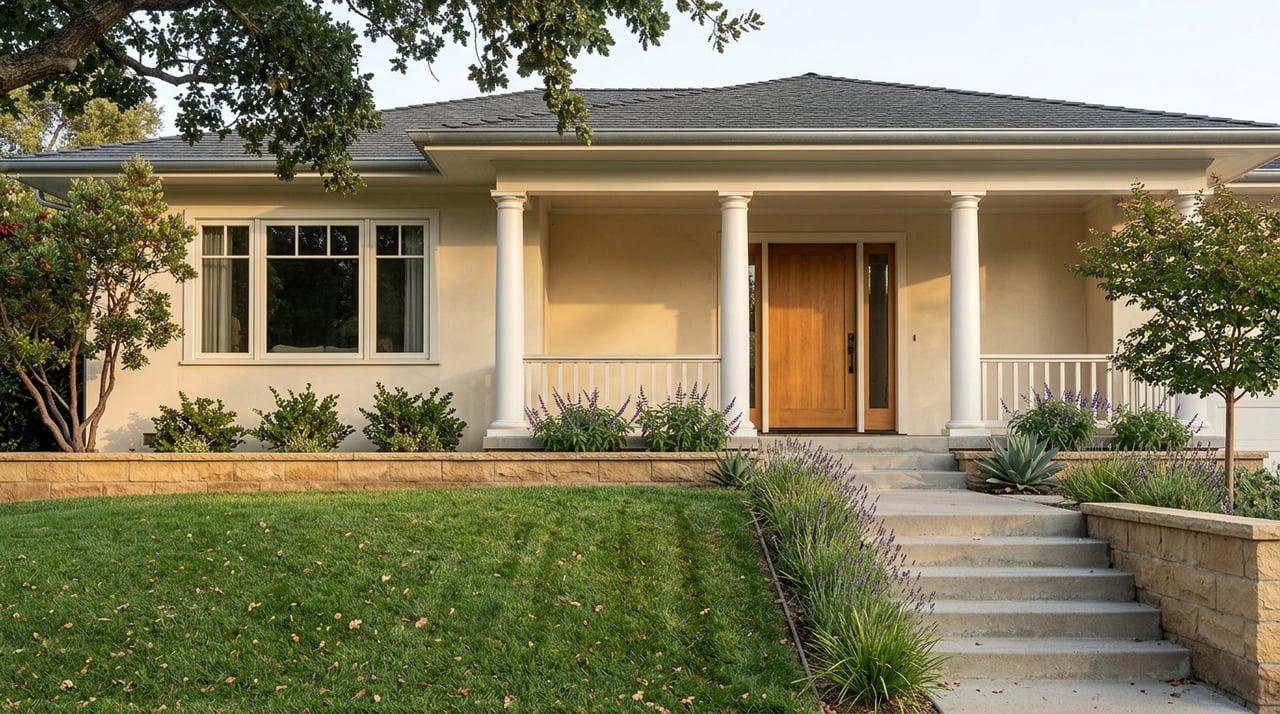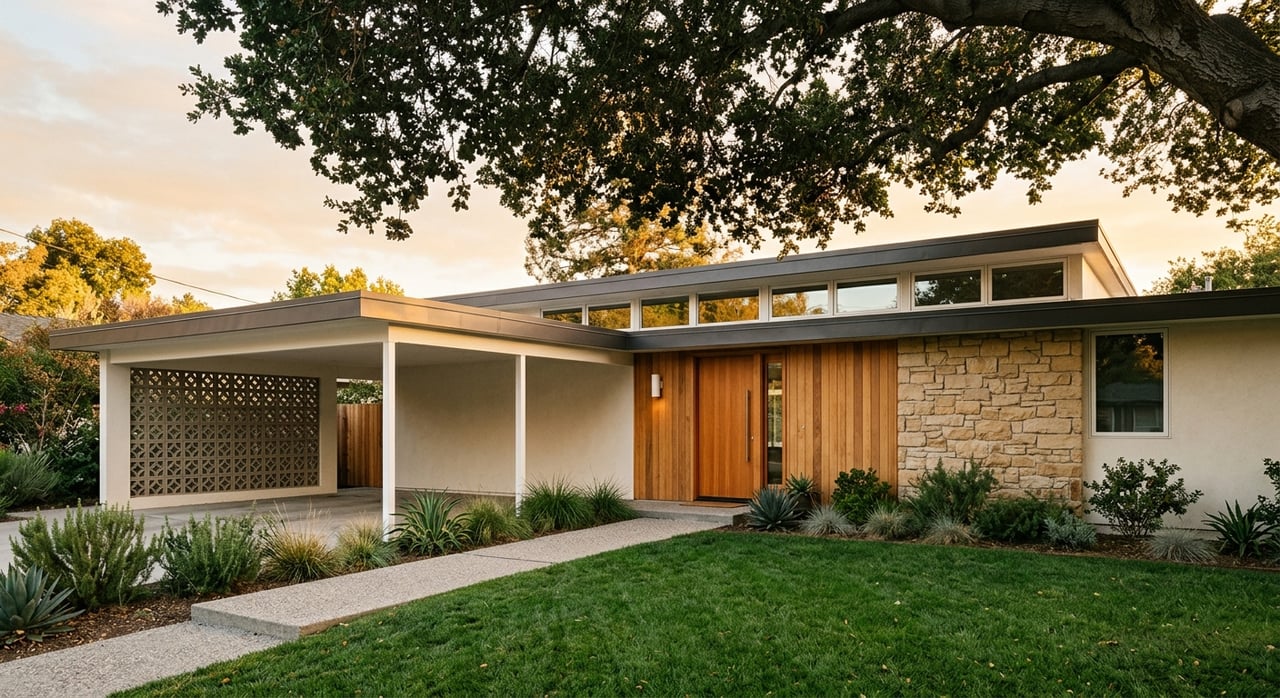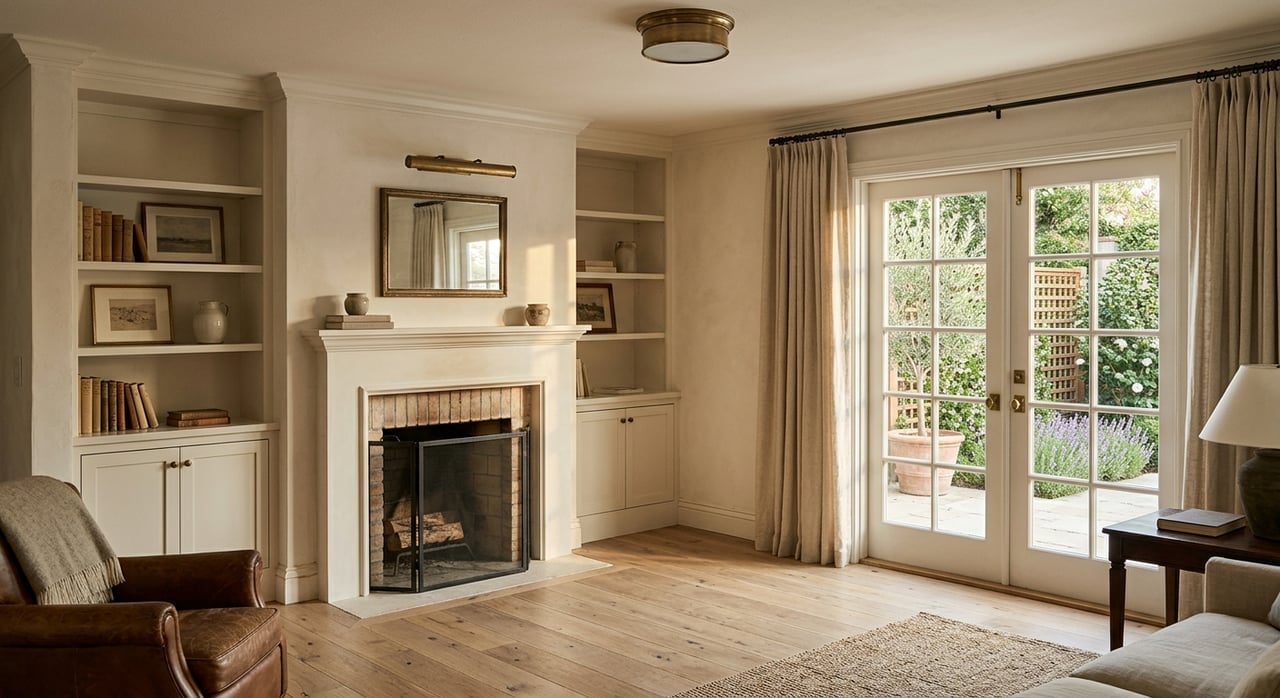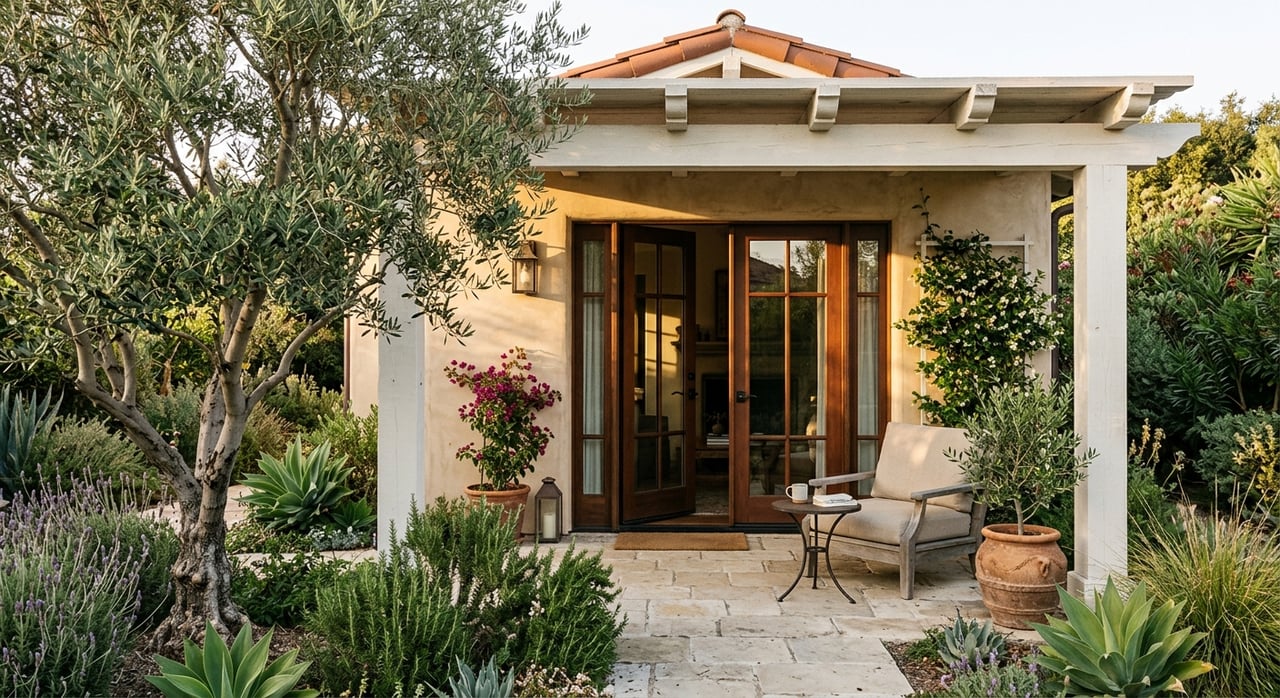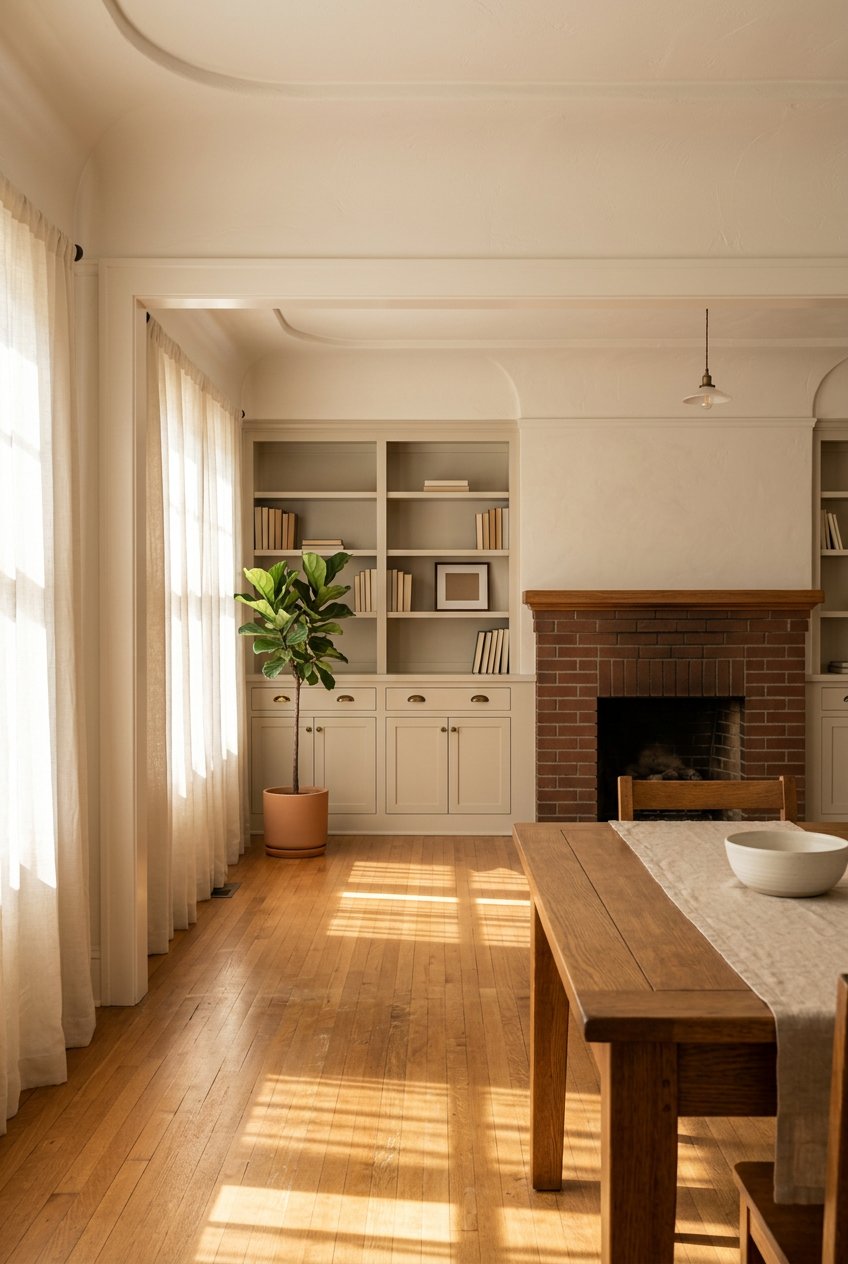
Is your Eagle Rock Craftsman, Spanish, or Mid-century the kind of home people remember long after a showing? If you are planning to sell within the next year, you want maximum impact without losing the soul that makes your place special. The right plan pairs preserved character with smart, documented updates and thoughtful staging that speaks to today’s buyers.
In this guide, you’ll learn which improvements pay off in Eagle Rock, how to handle permits and disclosures, and how to stage and photograph your home so every original detail shines. Let’s dive in.
Why Eagle Rock character homes stand out
Eagle Rock sits at the crossroads of design-minded buyers from the Pasadena and Glendale corridors, plus locals who value provenance and convenience. The neighborhood’s market is competitive and premium, with median values in the low to mid $1M range and homes often moving in weeks, not months. Well-presented character homes can attract strong interest when condition and documentation are on point.
Buyers today want a blend of authenticity and livability. They will pay more for preserved details when major systems are reliable and kitchens and baths feel move-in ready. Practical upgrades and a clear paper trail help your listing stand out to this audience. Guidance from experienced historic-home agents and national experts supports that approach to preparation and marketing. You can review practical tips for selling historic properties in resources like this overview of staging and sales strategies for older homes.
Start with key checks
Tackle these four steps early. They protect your sale price, reduce surprises, and give buyers confidence.
Confirm historic status
- Check whether your property is a Los Angeles Historic-Cultural Monument, part of an HPOZ, or listed in SurveyLA/HistoricPlacesLA. Rules vary by parcel. Start with the City’s Office of Historic Resources program overview.
- If your home has or may qualify for a Mills Act contract, note that maintenance and tax implications carry over to the next owner. See the LA Conservancy’s summary of the Mills Act program.
Pull permits and resolve unpermitted work
- Run a LADBS permit and inspection search and pull the ZIMAS parcel report to confirm past work, open permits, and any garage or ADU conversions. Use this guide to access LADBS and ZIMAS searches.
- If you find unpermitted work or open permits, resolve them or disclose fully. A clean, documented file reduces renegotiations.
Prepare required disclosures
- California requires a Transfer Disclosure Statement and a Natural Hazard Disclosure. For homes built before 1978, provide the federal lead-based paint pamphlet and known results. Review the EPA’s lead disclosure fact sheet.
- A pre-listing inspection helps you complete accurate disclosures and set expectations for buyers.
Clarify tax incentives and obligations
- If your home has a Mills Act contract or other incentives, gather the paperwork and any maintenance obligations so buyers understand the benefits and requirements. For background, see the Conservancy’s Mills Act overview.
Choose updates that add value without erasing character
Focus on safety, function, and sympathetic cosmetic updates. Preserve original materials whenever feasible.
Safety and systems first
- Address electrical panel capacity and any older wiring types. Add required smoke and CO detectors.
- Service or replace HVAC and water heater as needed. Check the roof and sewer line and keep receipts and warranties. Buyers place a premium on reliable systems and clear documentation, a point echoed in practical tips for historic-home sales from resources like HomeLight’s guide.
Curb appeal that respects the era
- Power wash, touch up paint, repair steps and porches, and refresh landscaping with mulch and simple planters. Exterior improvements often return strong value because they shape first impressions. National cost data supports curb appeal as a high-ROI category. Review the 2025 Cost vs Value report.
Windows: repair before replace
- Original wood windows are a character-defining feature. Repair and weatherize where possible, and consider storms or discreet insulating upgrades. Only replace when repair is not feasible and match original profiles if you must. See the National Park Service’s preservation guidance on repair and weatherization.
Kitchens and baths: minor refresh over gut
- Do a cosmetic kitchen refresh instead of a full demolition if the layout works. Think cabinet refacing or paint, new counters and hardware, updated lighting, and modern yet period-appropriate appliances.
- In baths, prioritize simple tile repairs, new fixtures that complement the home’s era, and improved lighting.
- National data shows minor kitchen projects tend to recoup a high share of cost, while major gut remodels recoup less. See the 2025 Cost vs Value benchmarks.
Floors, built-ins, and mantels
- Refinish original hardwoods, repair plaster, and restore built-ins or mantels. These are the features buyers remember.
- Keep any removed original hardware or fixtures and offer them with the sale.
Outdoor living
- In Los Angeles, usable outdoor space is a major selling point. Define seating zones, clean or repair simple decks or terraces, and show an easy indoor-outdoor flow.
What to avoid near listing
- Do not remove original walls or rework room configurations unless clear comps justify it. Many buyers seek the original plan.
- Avoid replacing original materials with incongruent substitutes. Preservation best practices favor repair over wholesale replacement.
Stage and photograph for maximum impact
Your goal is to show authenticity and livability in the same tour. Stage to frame original details, then let the camera prove day-to-day function. For photography strategy, these best practices align with industry guidance on real estate photography tips.
Must-have photos
- Curb-appeal hero shot, straight on and at an angle, including porch and landscape.
- Front door detail and porch close-up, especially tile or hardware.
- Entry or foyer to show scale and millwork.
- Wide shots of living and dining rooms that frame mantels, built-ins, and beams.
- Kitchen wide plus close-ups of original pantry, tile, or hardware.
- Primary bedroom and bath, with details like vintage fixtures or tile.
- Staircase, molding, floors, and other millwork details.
- Unique features such as leaded glass, original tilework, or hardware.
- Backyard and street context, including tree canopy and proximity to Colorado Boulevard.
- Twilight exterior if lighting and landscaping warrant it.
Staging by style
- Craftsman bungalow: Emphasize warm wood tones and built-ins. Keep furniture scaled to room size and let millwork and fireplace tile take center stage.
- Spanish or Mission: Highlight arches, original tile, simple plaster, and wrought-iron accents. Keep walls neutral so tile and wood features pop.
- Mid-century Modern: Keep sightlines open to large windows. Use low-profile furniture and show indoor-outdoor flow. For context on the region’s design language, see the City’s guide to LA Modernism.
Logistics and listing notes
- Use a small, period-appropriate accessory kit and keep surfaces clear so details are visible in photos.
- Add brief room captions in the listing to call out original features and note system upgrades and permits. These notes help preservation-minded buyers find and value your home. For ideas, review practical historic-home selling tips.
A 12-month pre-list roadmap
Use this timeline as a planning guide. Adjust to your property, budget, and goals.
Months 9 to 12: foundation and plan
- Confirm historic status with the Office of Historic Resources and scan the SurveyLA inventory where relevant. Start here: OHR program overview.
- Pull LADBS permits and ZIMAS reports. Save printouts in a property file. Use this lookup guide: LADBS and ZIMAS search.
- Gather past invoices and warranties. Interview preservation-aware contractors and an agent team experienced with character homes.
Months 6 to 9: systems and high-impact updates
- Complete electrical, roof, plumbing, HVAC, and water heater work. Close open permits.
- Handle exterior repairs and painting. Repair and weatherize windows.
- Begin cosmetic kitchen and bath refresh if needed. Document before-and-after work.
Months 3 to 6: stage and document
- Refinish floors and tune up built-ins. Schedule a professional deep clean and declutter.
- Stage key rooms. Prepare a buyer-facing dossier: permits, receipts, inspection summary, and a one-page “features and preservation” sheet.
- Book professional photography and consider twilight shots.
Months 0 to 3: list and show
- Launch with strong visuals and the documentation file ready for buyers.
- Pre-plan which repairs you will complete versus offer credits for after inspections.
- Target outreach to design-minded buyers and those moving along the Pasadena and Glendale corridors.
Handy local resources
- City of Los Angeles Office of Historic Resources: HPOZs, Historic-Cultural Monuments, and Mills Act details. Start with the program overview.
- LADBS and ZIMAS searches: permits, inspections, zoning, and parcel layers. Use this search guide.
- EPA lead-based paint disclosure: required for pre-1978 homes. Read the lead disclosure fact sheet.
- Mills Act background: program summary and obligations via the LA Conservancy.
- Cost vs Value 2025: ROI benchmarks for common pre-list projects. See the report.
- Practical historic-home selling tips: staging, disclosures, and buyer expectations from HomeLight.
- Photography strategy: shot lists and timing best practices from HousingWire.
- Local community context: Eagle Rock Neighborhood Council for updates and contacts at ernc.la.
Ready to craft a plan for your Eagle Rock character home that preserves what matters and sells for maximum impact? Our boutique, design-minded team coordinates pre-list updates, documentation, staging, and a polished launch so you can move forward with confidence. Connect with the Haynes Group to request a valuation or book a consultation.
FAQs
How should I price a character home in Eagle Rock?
- Start with recent sales of comparable style, size, and permitted improvements, then factor condition and documentation. Buyers pay more for preserved details plus reliable systems and clear permits.
What if I discover unpermitted work before listing?
- Pull LADBS and ZIMAS reports early and consult a contractor or permit expediter. Resolve issues when feasible or disclose them with estimates and options so buyers can price risk accurately.
Should I replace my original wood windows before selling?
- Usually no. Repair and weatherize first, and consider storm windows or targeted insulating upgrades. Replace only when repair is not viable, and match original profiles where possible.
Do I need to remodel my kitchen to get top dollar?
- Often a minor refresh delivers better value than a full gut. Think paint or refacing, counters, lighting, and hardware. Use finishes that complement your home’s era.
Which photos help sell Eagle Rock character homes fastest?
- A curb-appeal hero, wide shots of living and dining that frame built-ins and mantels, detailed close-ups of original features, kitchen and bath wides plus details, and thoughtful backyard images.
What disclosures are required for older homes in California?
- You must provide a Transfer Disclosure Statement and a Natural Hazard Disclosure. For pre-1978 homes, include the federal lead-based paint pamphlet and any known test results.