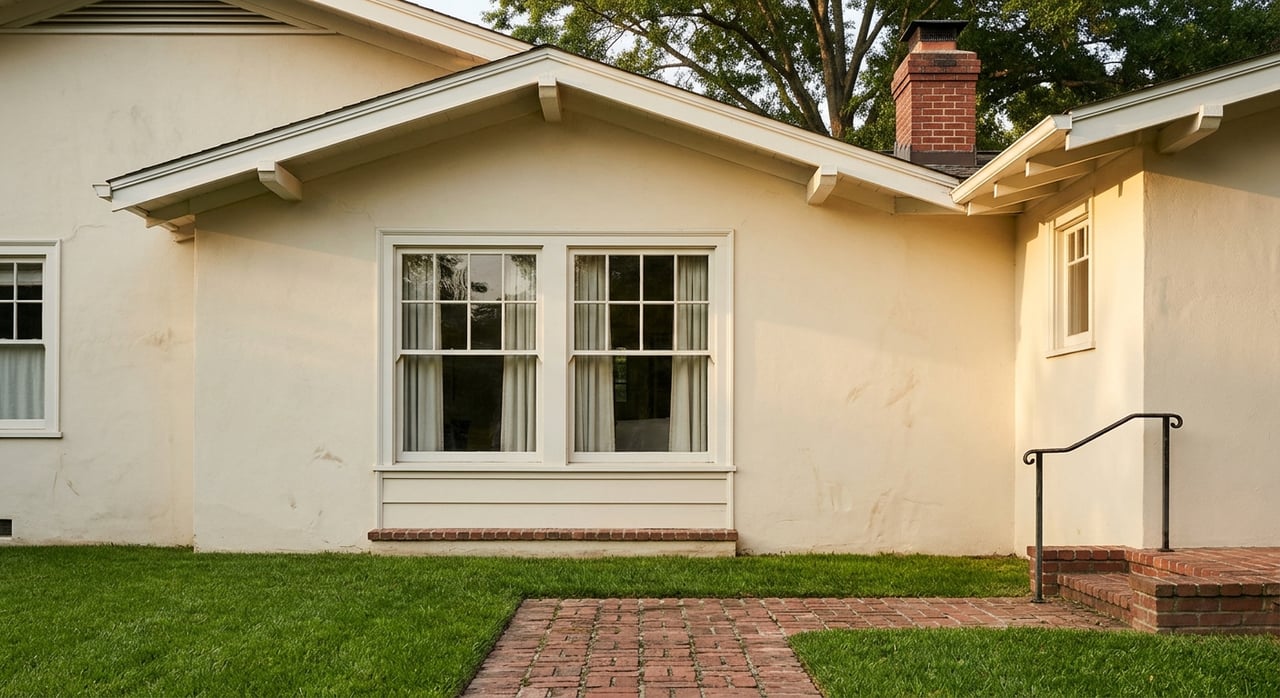
If you have ever driven through South Pasadena and wondered why certain blocks feel so distinct, you are not imagining it. The city’s tree-lined streets, older homes, and preserved commercial core create a setting that feels more intact than many nearby communities. If you are thinking about buying here, it helps to know which historic pockets to study, what preservation rules may apply, and how to evaluate an older property with confidence. Let’s dive in.
Why South Pasadena Feels So Historic
South Pasadena describes itself as the City of Trees, with more than 21,000 trees lining its streets, and that canopy shapes the look and feel of daily life throughout the city. The city also places a strong emphasis on preservation, with planning materials that trace development from early settlement through mid-century growth. You can get a feel for that broader context on the City of South Pasadena overview page.
For buyers, the biggest takeaway is that historic character here is not limited to a few isolated homes. The city reports that about 2,500 properties are included in its Cultural Heritage Inventory, along with multiple National Register properties and districts and several locally designated historic districts. That makes it especially important to understand whether a home is simply older, formally inventoried, or located within a district that may affect future changes, as outlined in the city’s local landmark recognition information.
Historic Areas to Watch
South Pasadena is not just one historic neighborhood. Instead, its most notable character streets appear in a series of pockets that repeat across city records and district descriptions.
If you are starting a home search, these are the areas most worth learning by name and by street pattern.
Mission West and Downtown Core
Mission Street and the surrounding El Centro area formed South Pasadena’s original business district between roughly 1888 and 1910. City planning materials describe this area as the historic commercial heart of town, later reshaped as activity shifted toward Fair Oaks Avenue during the Pacific Electric era. You can review that historic development in the city’s historic context and preservation planning materials.
For a buyer, this area offers a classic small-town setting near the original downtown core. While much of the focus here is commercial and institutional, understanding Mission West helps you orient yourself to how nearby residential streets developed and why walkability and older streetscapes remain such a big part of South Pasadena’s identity.
El Centro, Indiana, and Palm
The El Centro/Indiana/Palm District is especially notable because the city identifies it as South Pasadena’s first designated residential historic district. City documentation describes a concentration of late-19th- and early-20th-century homes, including styles ranging from Queen Anne to revival architecture, especially around the 500 block of El Centro Street, the 900 blocks of Indiana and Palm, and Indiana Court. Those details appear in the city’s district designation materials.
If you are drawn to older homes with visible period detail, this is one of the clearest places to begin. The district sits just west of the original commercial center, so it often appeals to buyers who want architectural character with easy access to daily amenities.
Oak, Laurel, and Oaklawn
Oak Street and Laurel Street stand out as compact residential blocks where period architecture is easy to spot from the curb. The city’s inventory identifies historic district blocks on both streets, and nearby Oaklawn Avenue is also mapped as a historic district with homes dating roughly from 1905 to 1915, including Craftsman and revival examples. You can see those references in the city’s Inventory of Historic Resources.
For buyers, these streets can be useful shorthand for the kind of block-level consistency that often defines a strong historic setting. When homes share setbacks, scale, and architectural era, the street itself becomes part of the appeal.
Oneonta Park Area
The Oneonta Park District is one of the most vivid examples of an intact early residential pocket. City materials describe the district as including portions of Oak, Laurel, Spruce, Fair Oaks, Marengo, and Milan, with modest one- and two-story houses, deep setbacks, detached garages, mature landscaping, concrete curbs and sidewalks, fluted streetlamps, and stone retaining walls. Those features are described in a Cultural Heritage Commission agenda packet.
This is the kind of area where the street scene matters as much as the house itself. If you are looking for original neighborhood fabric, including older hardscape and landscape elements, this district gives you a strong sense of what South Pasadena buyers often mean when they talk about character.
Marengo School Craftsman Area
South of downtown, the Marengo School Craftsman District is another area buyers should know. City materials describe this district as covering parts of Monterey Road, Lyndon Street, Bank Street, Rollin Street, Oak Street, Marengo Avenue, and Stratford Avenue, with Craftsman and period-revival homes, common setbacks, rear garages, and mature trees. The city outlines this district in a recent Cultural Heritage Commission packet.
If you are searching for a classic early-20th-century residential pocket, this is one of the more cohesive areas to explore. It can also be a smart area to study if you care about how lot layout, garage placement, and consistent setbacks contribute to the long-term feel of a block.
What Historic Status Can Mean
Buying a historic or inventoried home in South Pasadena does not mean you cannot update it. It does mean you should understand the approval process before you make plans for exterior changes.
According to the city, if a property is listed on the Inventory of Historic Resources, a Certificate of Appropriateness is required for proposed exterior alterations, new construction, and demolition affecting that property. The city also notes that painting and routine maintenance are exempt from this review, while approval can range from staff review to a public hearing depending on the scope of work. You can review the process through the city’s Cultural Heritage Commission page.
The city’s building FAQ adds useful practical examples. Same-material reroofing generally does not require design approval, while changes like different roofing materials or new windows may require review; interior remodels usually need permits and plan check, but not heritage design approval. Those examples are summarized in the city’s building and preservation FAQ.
Why Tree Rules Matter Too
In South Pasadena, the streetscape is not just about homes. Trees are a major part of the city’s character, and that affects ownership.
The city states that a permit is required for the removal of any tree on any property in South Pasadena. If you are buying a home with a mature canopy, large roots, or future landscaping plans, it is wise to understand those rules early because tree decisions can affect both maintenance planning and project timing. The city’s requirements are outlined in its tree regulations.
Due Diligence Before You Write an Offer
When you find a home you love, it is worth slowing down long enough to verify the basics. In a city with this much historic inventory, assumptions can get expensive.
First, confirm whether the property is on the city’s inventory or within a designated district. The planning division states that Cultural Heritage Commission approval is required for alteration, demolition, relocation, or new construction affecting listed properties, and the city provides tools for reviewing historic landmarks and districts through its Planning Division resources.
Next, ask for the kinds of records that can tell you how the house evolved over time. South Pasadena’s local history resources recommend building permit files, assessor records, county recorder ownership history, city directories, and Sanborn maps, all of which can help clarify original construction dates, prior changes, and the development of the block. The city explains these research tools on its house research page.
Finally, budget realistically for stewardship. City district descriptions repeatedly mention detached rear garages, mature trees, retaining walls, sidewalks, and older house forms, while the Mills Act application materials treat painting, plumbing, electrical, gardening, cleaning, mechanical work, heating, and structural repairs as part of routine maintenance planning. The city’s Mills Act guidance is especially helpful if you want to understand how preservation-minded ownership is framed locally.
A Simple Way to Search South Pasadena
If your goal is to find a home with historic character, it helps to narrow your search by street pattern instead of relying only on broad neighborhood labels. City records consistently point buyers toward the Mission West downtown core, El Centro/Indiana/Palm, Oak and Laurel, Oaklawn, Oneonta Park, and the Marengo-area Craftsman blocks as the clearest places to begin. Those recurring areas appear throughout the city’s historic planning materials.
That kind of targeted search can save time and sharpen your expectations. Some buyers want a home on a highly intact street with visible period features, while others want historic ambiance with fewer renovation constraints. Knowing the difference early can help you pursue the right fit with fewer surprises.
South Pasadena rewards buyers who look beyond square footage and pay attention to setting, stewardship, and long-term livability. If you want guidance on character homes, older-property due diligence, and the nuances that can shape a smart purchase in the Pasadena corridor, the team at Haynes Group is here to help with thoughtful, local guidance tailored to your goals.
FAQs
What makes South Pasadena’s historic streets feel different from nearby areas?
- South Pasadena combines more than 21,000 street trees, a large historic property inventory, and multiple preserved districts, which gives many blocks a more intact and cohesive historic feel.
What should South Pasadena buyers verify before making an offer on a historic home?
- You should confirm whether the property is on the historic inventory or in a district, then review permit history, ownership records, and other city research sources to better understand past changes and future constraints.
What does historic status mean for exterior renovations in South Pasadena?
- If a property is on the city’s Inventory of Historic Resources, exterior alterations, demolition, and some new construction may require a Certificate of Appropriateness, while painting and routine maintenance are generally exempt.
What South Pasadena streets are worth focusing on for historic character?
- City records repeatedly point to Mission West, El Centro/Indiana/Palm, Oak and Laurel, Oaklawn, Oneonta Park, and the Marengo-area Craftsman blocks as key historic search zones.
What maintenance issues are common with older homes in South Pasadena?
- Buyers should plan for ongoing upkeep related to wood windows, roofs, siding, drainage, mature trees, retaining walls, detached garages, and other original or older property features.