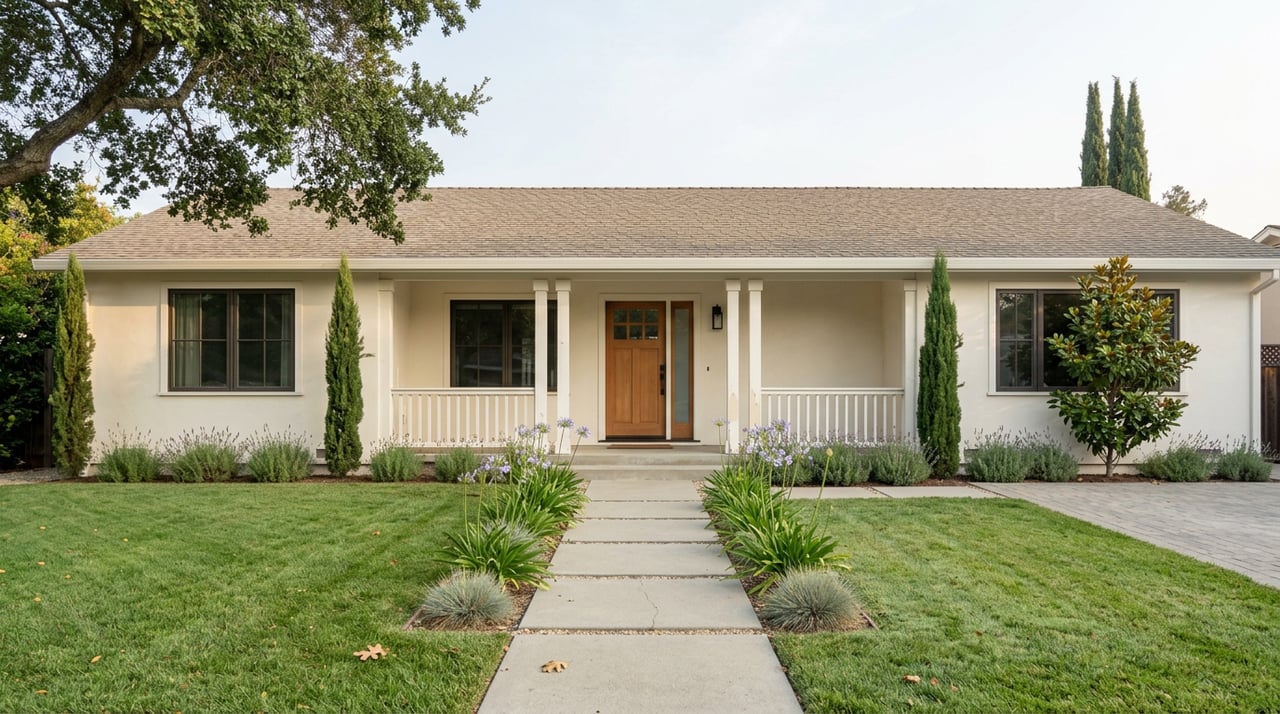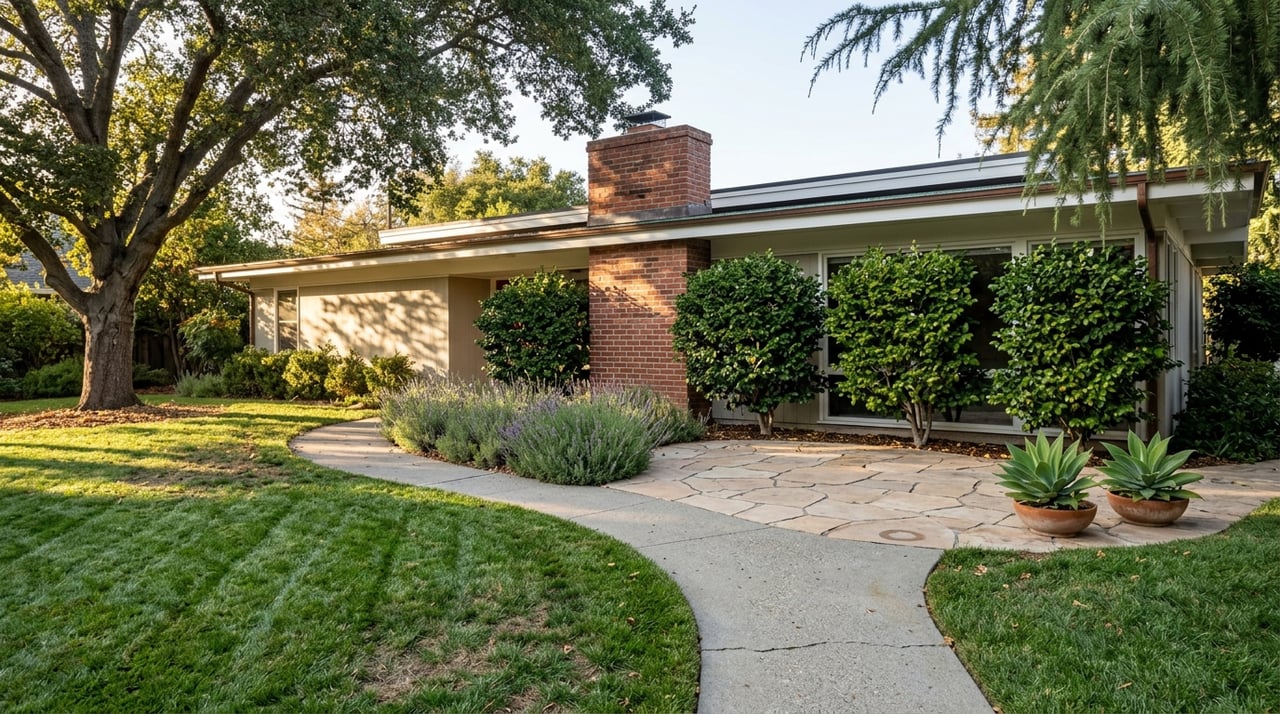
If you are handling a San Marino home after a death or while administering a trust, the process can feel heavy fast. You may be balancing family expectations, legal paperwork, property upkeep, and questions about timing, disclosures, and taxes all at once. The good news is that estate sales and trust property transfers in California follow a framework, and when you understand the moving parts, the path becomes much clearer. Let’s dive in.
Probate and trust sales differ
In California, probate and trust administration are not the same process. Probate is the court-supervised process for transferring property after someone dies, while property held in a living trust can often be transferred or sold without formal probate.
That distinction matters in San Marino because it can affect your timeline, paperwork, and level of court involvement. A probate sale may involve court supervision, published notice, and sometimes court confirmation, while a trust sale usually moves through trustee authority, title, and escrow with less court oversight.
What probate usually involves
A probate estate generally starts with the appointment of a personal representative. California Courts also note that the estate administration process commonly includes inventory and appraisal, notice to creditors, and other required steps.
One key deadline is the inventory and appraisal. California says it must be filed within four months after letters are first issued, and a probate referee is commonly used to value non-cash assets.
What trust administration usually involves
When a revocable trust becomes irrevocable at death, the trustee takes on formal duties. That can include giving notice to beneficiaries and, in some cases, creditors before property is distributed or sold.
California also allows trustees to use a notice-of-proposed-action procedure for certain decisions, including a sale. If the required beneficiaries are notified and no one objects in writing, the trustee is generally protected in taking that action.
Why timelines vary so much
Many families want to know one thing first: how soon can the property be sold? The honest answer is that timing depends largely on who has authority to act and whether court confirmation is required.
A formal probate sale rarely happens right away. The estate must first move through the early administrative steps, and those steps can take time even before the home is listed.
Common probate delays
In probate, delays often come from the court process itself, document gathering, appraisal timing, and creditor notice periods. If a sale needs court confirmation, the timing becomes even more sensitive.
California law says that for a private sale subject to court confirmation, the property must have been appraised within one year of the confirmation hearing, and the offer must be at least 90 percent of the appraised value. That is one reason probate pricing and paperwork need to stay aligned from the start.
Why trust sales may move faster
Trust sales often avoid a court-confirmation hearing, which can make them quieter and faster. Even so, they are still document-heavy and must be handled carefully.
The trustee still needs to confirm authority, coordinate title and escrow, address any beneficiary notice requirements, and make sure the transfer is clean. In practice, that means a trust sale may feel smoother than probate, but it is not informal.
A practical San Marino sale workflow
For a San Marino estate or trust property, the sale process usually works best when handled in a clear sequence. Taking the right steps early can reduce surprises later in escrow.
A typical workflow often looks like this:
- Confirm who has authority to sign
- Gather trust, probate, deed, and title documents
- Obtain property tax and assessment information
- Review condition, repairs, and permit history
- Decide what pre-listing work should be done
- Prepare the home for photography and market launch
- Negotiate the offer and move through escrow
- Coordinate recording, payoffs, and final transfer details
If the person who died lived outside California but owned the San Marino property, California Courts says the case is filed in the county where the property is located. For San Marino, that means Los Angeles County procedures matter.
California disclosures still matter
One of the biggest misconceptions in estate and trust sales is that a fiduciary sale means there are no disclosures. In reality, California provides some important exemptions, but not a free pass.
Sales or transfers by a fiduciary in the administration of a trust, guardianship, conservatorship, or decedent’s estate are generally exempt from the Transfer Disclosure Statement and the Natural Hazard Disclosure Statement. Probate court-ordered sales are also exempt.
The trust exception to know
That exemption has an important limit. It does not apply if the trustee is a natural person administering a revocable trust and was the former owner or occupied the property within the prior year.
That is why it is important to review the exact ownership and occupancy history before assuming a form is exempt. A careful file review up front can help avoid confusion later.
Material facts still need attention
Even where a statutory form is exempt, material facts and property condition still matter. California Department of Real Estate guidance says agents must conduct a reasonably competent and diligent visual inspection of accessible areas and disclose material facts affecting value, desirability, and intended use.
For a higher-value San Marino property, this usually means early attention to visible deferred maintenance, landscaping, interior presentation, and any known issues that may affect negotiations. Strong preparation often reduces renegotiation once buyers complete their inspections.
Permits and repair records are more important now
If the property was recently inherited or recently retitled, permit files and contractor invoices deserve extra attention. California now requires added disclosure in some cases when the seller obtained title within the previous 18 months.
Under AB 968, sellers must disclose contractor-performed room additions, structural modifications, alterations, or repairs over $500, along with contractor names and permit copies. For families managing an estate or trust property, that means it is worth locating permit history and repair records before the listing goes live.
Hazard and assessment documents
Natural hazard issues can still come into play even if the standard Natural Hazard Disclosure Statement is exempt. California’s hazard rules cover items such as flood zones, fire hazard severity zones, earthquake fault zones, seismic hazard zones, and certain wildland fire areas.
Special taxes and assessments also matter when applicable. If a property is subject to Mello-Roos or similar local assessment notices, the seller must make a good-faith effort to obtain and deliver the local agency disclosure notice.
Property taxes and transfer tax questions
Families often assume the tax side will sort itself out later. In reality, property tax and transfer tax questions are best addressed early, especially if the family is deciding whether to keep or sell the home.
The California Board of Equalization says that when a revocable trust becomes irrevocable at death, a change in ownership generally occurs for property tax purposes, usually at the date of death. Inheritances through trust, will, probate, or a transfer-on-death deed can trigger reassessment unless an exclusion applies.
Proposition 19 timing matters
Under Proposition 19, parent-child and grandparent-grandchild claims generally must be filed within three years of the transfer or before transfer to a third party, whichever comes first. If your family may qualify for an exclusion, timing is important.
Because these rules can affect long-term holding decisions, it helps to identify potential reassessment issues before listing. That gives you a clearer picture of your options.
San Marino transfer tax basics
For recorded deeds in Los Angeles County, the current county documentary transfer tax rate is $1.10 per $1,000 of consideration. The Los Angeles County recorder’s city surcharge sheet does not list San Marino among the cities with an added city surcharge on that sheet.
In many standard San Marino conveyances, that means county transfer tax is the main transfer tax item, subject to escrow confirming the exact treatment and any available exemption. It is a small detail compared with the sale price, but still an important closing cost to plan for.
Pricing and presentation in San Marino
San Marino remains a high-value, supply-constrained market based on the public market data in the research. While exact numbers differ by source, the overall picture is consistent: well-prepared listings can attract serious attention.
Reported March 2026 data showed strong pricing and relatively limited inventory, with one source reporting a median sale price of $3.25 million and 23 median days on market, another describing San Marino as a seller’s market with a 101 percent sale-to-list ratio and 55 median days on market, and another reporting an average home value above $2.8 million with 26 homes for sale at the end of March.
Why pre-listing prep matters here
In a market like San Marino, buyers tend to notice condition quickly. That is especially true with estate and trust properties, where deferred maintenance or missing records can shape buyer confidence early.
Before launch, it often makes sense to focus on the items that most affect first impressions and buyer clarity:
- Confirm signing authority and title status
- Gather trust, probate, and deed records
- Collect permits, contractor invoices, and repair history
- Review landscaping and exterior presentation
- Identify cosmetic updates worth completing
- Organize tax bills, assessment notices, and property paperwork
For a legacy property, thoughtful preparation can shift the story from rushed disposition to well-managed transition. That can help preserve value and support stronger terms.
Questions families often ask
Another common question is whether all estate sales need court confirmation. The answer is no.
Probate sales may require court supervision or confirmation, but independent authority can reduce court involvement, and trust sales often proceed without a confirmation hearing. The right process depends on how title was held and what authority the representative or trustee has.
Families also ask whether a death on the property must always be disclosed. California law says an owner or agent is not required to disclose an occupant’s death on the property, or the manner of death, if the death occurred more than three years before the buyer’s offer, though physical condition and direct questions still must be handled honestly.
When you are managing a San Marino estate sale or trust property transfer, the best next step is usually not to rush the listing. It is to build the file, confirm authority, understand the disclosure and tax picture, and prepare the home in a way that supports both compliance and value. That kind of planning can make a difficult process feel much more manageable.
If you need a steady, hands-on approach for a San Marino estate or trust sale, Haynes Group offers thoughtful guidance, white-glove preparation, and experienced support from pre-listing strategy through closing.
FAQs
Does a San Marino estate sale always require probate court confirmation?
- No. Some probate sales involve court supervision or confirmation, but independent authority can reduce court involvement, and trust sales often move forward without a confirmation hearing.
Are San Marino trust property sales exempt from all California disclosures?
- No. Fiduciary sales are exempt from some statutory disclosure forms, but material facts, hazard-related issues, and applicable assessment notices may still need to be addressed.
Can an inherited San Marino home trigger property tax reassessment?
- Yes. A transfer at death often counts as a change in ownership for California property tax purposes unless an exclusion applies.
What documents should families gather before listing a San Marino trust or estate property?
- Start with trust or probate papers, the deed, title information, tax bills, assessment notices, permits, contractor invoices, and records of repairs or improvements.
Does California require disclosure of a death at a San Marino property?
- Not always. California generally does not require disclosure of an occupant’s death if it occurred more than three years before the buyer’s offer, though other disclosure duties still apply.